Horimiya
ホリミヤ
Overview
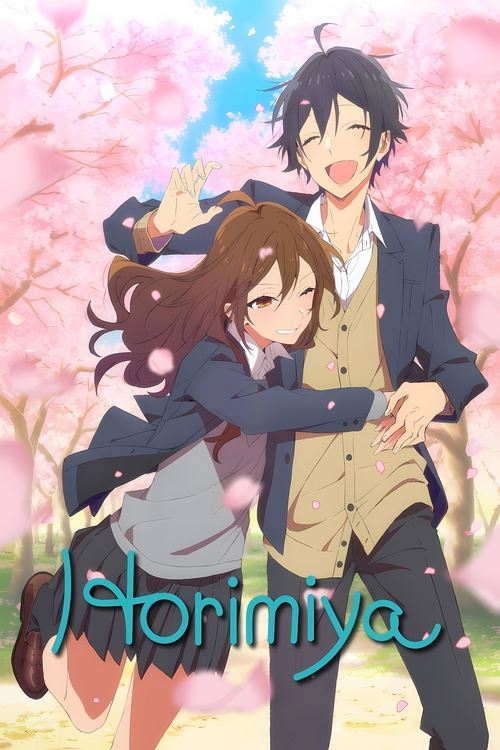
"Horimiya" follows the story of Kyouko Hori, a popular and academically gifted high school student, and Izumi Miyamura, her gloomy and seemingly nerdy classmate. On the surface, they appear to be complete opposites. However, a chance encounter outside of school reveals their hidden personas: Hori is a diligent homemaker who cares for her younger brother, and Miyamura is a gentle individual with numerous tattoos and piercings, contrary to his somber school appearance.
Agreeing to keep each other's secrets, they begin to forge an unlikely friendship that quickly blossoms into a sweet and intimate romance. The series refreshingly bypasses the typical "will-they-won't-they" trope of many romance anime, allowing their relationship to develop naturally and early on. The narrative then expands to explore the lives and relationships of their surrounding friends, delving into themes of self-acceptance, the gap between public perception and private reality, and the nuances of high school friendships.
Core Meaning
The core meaning of "Horimiya" is the celebration of authenticity and the beauty of accepting people for who they truly are, beyond social masks and first impressions. The series posits that everyone has a private side they conceal from the world. It champions the idea that genuine connection and love are found not by projecting an idealized image, but by sharing one's true, vulnerable self with others. Miyamura's journey from a lonely outcast to a beloved friend and partner underscores the transformative power of acceptance, suggesting that finding even one person who sees and loves your hidden self can change your entire world.
Thematic DNA
Duality of Identity & Social Masks
This is the central theme of the series, embodied by the protagonists, Hori and Miyamura. Hori is the popular, perfect student who is secretly a down-to-earth, domestic caretaker. Miyamura is the quiet, gloomy outcast who is actually a punk-styled boy with tattoos and piercings. Their relationship is founded on the mutual acceptance of these hidden selves. The theme extends to the supporting cast, showing that nearly every character has aspects of their personality they don't readily show, exploring the gap between public persona and private reality.
Acceptance and Self-Love
Miyamura's character arc is a powerful exploration of learning to accept oneself. His past as a social outcast left him with deep insecurities, which he begins to overcome through his relationship with Hori and his newfound friends. The series emphasizes that being loved for who you are, including your past and your perceived flaws, is crucial for developing self-worth. Miyamura's conversations with his past self symbolize his journey toward integrating his past loneliness with his happier present.
The Nature of Relationships and Friendship
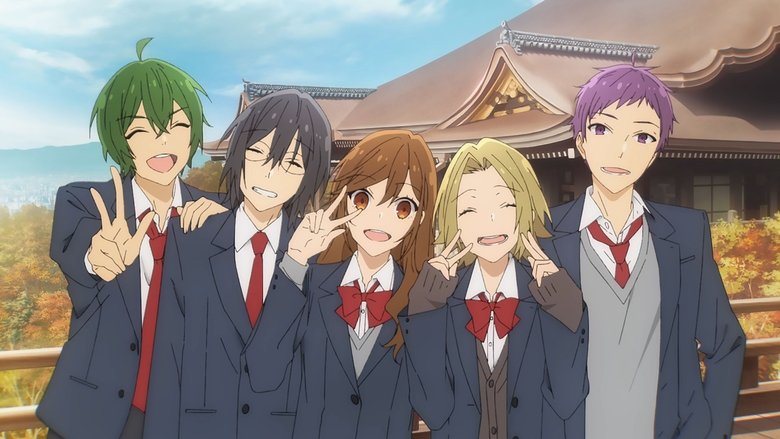
"Horimiya" offers a realistic and mature depiction of teenage relationships. It moves beyond the initial confession to explore the comfort, intimacy, and minor conflicts of a committed relationship. It also gives significant weight to the surrounding friendships, showcasing how they evolve and provide a crucial support system. The dynamic between Toru Ishikawa and Miyamura, for instance, develops from a rivalry over Hori into a deep and supportive friendship.
Breaking Romantic Tropes
Unlike many high school romance anime that focus on a prolonged build-up to a confession, "Horimiya" establishes its central couple early in the series. This allows the narrative to explore the nuances of an actual relationship, including physical intimacy and emotional security, which is a refreshing departure from genre conventions. The story avoids manufactured drama like love triangles in favor of more grounded, character-driven development.
Character Analysis
Kyouko Hori
Haruka Tomatsu
Motivation
Initially, her motivation is to maintain her double life: the popular student and the responsible homemaker. As the series progresses, her primary motivation becomes nurturing her relationship with Miyamura and creating a space where both of them can be their true selves. She is fiercely protective of their bond and wants to understand and accept every part of him.
Character Arc
Hori begins as the seemingly perfect, popular girl who secretly shoulders heavy domestic responsibilities. Her arc is about learning to share her burdens and reveal her more assertive, and sometimes aggressive, private self. Through her relationship with Miyamura, she realizes she doesn't have to maintain a perfect facade. She becomes more open about her own vulnerabilities and desires, finding someone who loves her not for her popular image, but for her authentic, sometimes demanding, personality at home.
Izumi Miyamura
Koki Uchiyama
Motivation
His initial motivation is simply to get through high school without trouble, remaining invisible. After meeting Hori, his motivation shifts to wanting to be with her and cherish the bright, colorful world she has opened up for him. He is driven by a profound gratitude for his newfound happiness and a desire to make Hori happy in return.
Character Arc
Miyamura undergoes the most significant transformation. He starts as a lonely, brooding outcast, haunted by a past of being ostracized. Meeting Hori is the catalyst for his evolution. He slowly sheds his protective shell, cuts his hair, and allows himself to form meaningful friendships. His journey is one of self-acceptance, moving from a boy who felt invisible to a young man who understands his own worth and is grateful for the connections he's made, culminating in him being able to let go of his lonely past self.
Tooru Ishikawa
Seiichiro Yamashita
Motivation
His initial motivation is to win Hori's affection. This later evolves into a desire to be a good friend to both Hori and Miyamura, often acting as a supportive voice of reason. He also grapples with his feelings for Yuki, trying to understand what he truly wants in a relationship.
Character Arc
Tooru starts with a crush on Hori and sees Miyamura as a rival. After Hori gently rejects him, his arc focuses on his development of a deep, genuine friendship with Miyamura, becoming his closest male friend and confidant. He navigates his own romantic complexities, particularly his ambiguous relationship with Yuki Yoshikawa. His journey is about moving past unrequited love and finding value in friendship and a different kind of romantic connection.
Yuki Yoshikawa
Yurie Kozakai
Motivation
Yuki is motivated by a desire to be liked and to avoid any form of interpersonal conflict. She goes along with what others want to keep the peace. As the story progresses, she is increasingly motivated by her growing, albeit confusing, feelings for Tooru, which challenges her conflict-avoidant nature.
Character Arc
Yuki is Hori's best friend, known for her cheerful and easygoing nature. Her character arc delves into her habit of hiding her true feelings to avoid conflict and maintain harmony. She often denies her own desires for the sake of others. Her relationship with Tooru forces her to confront this tendency, as she struggles to be honest about her feelings for him. Her journey is about learning to value her own emotions and be more direct about what she wants.
Symbols & Motifs
Miyamura's Tattoos and Piercings
They symbolize his hidden self and his past as an outcast. Initially, they are a secret part of his identity that he feels he must conceal to avoid judgment. As he opens up and finds acceptance, particularly from Hori, his willingness to show them (or not care if they're seen) represents his growing self-confidence and integration of his past and present selves.
Throughout the early episodes, Miyamura is careful to hide his tattoos and piercings at school with long hair and his uniform blazer. Hori is the first classmate to see them, which forms the basis of their bond. His eventual haircut, revealing his piercings, is a major turning point in his character development, signifying his readiness to be seen for who he truly is.
Miyamura's Long Hair vs. Short Hair
His long hair represents his self-imposed isolation and desire to remain unseen, a physical manifestation of the walls he built around himself. Cutting his hair symbolizes a major transformation—shedding his past insecurities and embracing his new life with friends and Hori. It marks his active choice to stop hiding.
For the first part of the series, Miyamura's long hair covers his face and piercings, reinforcing his gloomy, unapproachable image at school. In Episode 6, he cuts his hair, which dramatically changes his appearance and how his classmates perceive him, leading to a surge in his popularity. This visual change is a pivotal moment in his character arc.
Hori's Home
Hori's house symbolizes a safe space for authenticity. It's the one place where both Hori and Miyamura can shed their school personas and be their true selves without fear of judgment. It is the crucible where their relationship is forged and nurtured.
From the very first episode, Miyamura begins visiting Hori's home frequently. It is there that he sees her domestic side and she sees his tattooed, pierced self. Their most significant and intimate moments, from watching movies to their confessions of love, happen within the walls of her home, away from the eyes of their peers.
Memorable Quotes
Everyone has a side of themselves that they don't want other people to see.
— Kyouko Hori
Context:
This is a recurring sentiment throughout the series, reflecting the core concept upon which Hori and Miyamura's relationship is built. It speaks to their shared secret and the foundation of their mutual understanding from the early episodes.
Meaning:
This quote encapsulates the central theme of the series. It's Hori's acknowledgment of the central truth that she and Miyamura discover in each other—that public personas are often just one part of a more complex whole.
I never thought I could be this close to someone... The spring sky looks so blue. Was it always like this?
— Izumi Miyamura
Context:
This is said in the final episode (Episode 13) during the graduation ceremony as Miyamura reflects on his high school journey and how drastically his life has changed since meeting Hori.
Meaning:
This quote from Miyamura's final monologue represents the culmination of his character arc. It signifies how his world, once gray and lonely, has become vibrant and full of color and meaning because of Hori and his friends. It's a beautiful expression of his profound gratitude and newfound happiness.
The snow melts because it decides to melt on its own, no matter how badly anyone wants it to stick around, the snow makes its own decision to melt.
— Tooru Ishikawa
Context:
Tooru says this in a moment of introspection, likely reflecting on his own feelings for Hori or the complex romantic situations unfolding among his friends. It showcases his growth from someone who was hurt by rejection to someone who understands the natural progression of life and feelings.
Meaning:
This is a poignant metaphor for letting go and accepting things that are beyond one's control, particularly in the context of relationships and unrequited feelings. It reflects a sense of maturity and acceptance.
Episode Highlights
A Tiny Happenstance
This episode perfectly establishes the show's premise. Miyamura brings Hori's injured younger brother home, leading to the discovery of each other's secret identities. It sets the foundation for their entire relationship with a charming and well-paced introduction. It is widely regarded as one of the best pilot episodes of its season.
It's the inciting incident for the entire series. The episode immediately breaks from genre conventions by establishing the core connection and premise without lengthy exposition, promising a story focused on the relationship itself rather than the chase.
You Wear More Than One Face
A pivotal episode for the central romance. While Hori is sick with a fever, Miyamura takes care of her. In a vulnerable moment, he confesses his love for her, believing she is asleep. This is the first explicit confession and a major step in their relationship's progression.
This episode marks the point where the relationship transitions from a close friendship to an explicitly romantic one. Miyamura's confession, though quiet and understated, solidifies their feelings and moves the plot forward significantly.
I Can't Say It Out Loud
Following Miyamura's confession, this episode deals with the immediate aftermath and Hori's response. It features Hori's father's comical first meeting with Miyamura and culminates in Hori officially accepting Miyamura as her boyfriend. It's a heartwarming and funny episode that cements their status as a couple.
This episode formalizes their relationship, ending any ambiguity. It firmly establishes "Horimiya" as a story about a couple navigating their relationship, rather than two people trying to get together, which is a key part of its appeal.
This Summer's Going to Be a Hot One
This episode focuses on Miyamura's internal struggles with his past and his growing comfort in his new social circle. He has a significant dream conversation with his younger, lonely self, showing his character's psychological depth. It also features his dramatic haircut, a major visual representation of his transformation.
Miyamura's haircut is a symbolic turning point, representing his willingness to be seen and to let go of his past insecurities. The episode provides crucial insight into his psyche and reinforces the theme of self-acceptance.
I Would Gift You the Sky
The series finale. The characters graduate from high school. The episode is a poignant reflection on the journey, particularly Miyamura's. His closing monologue about how his world has changed is a powerful and emotional conclusion to his character arc. He reflects on how meeting Hori brought color to his life.
It provides a satisfying and emotionally resonant conclusion to the main storyline. While some subplots are left open-ended, it successfully resolves the central theme of Miyamura's self-acceptance and cements the future of his and Hori's relationship, ending on a hopeful and heartfelt note.
Philosophical Questions
To what extent do our public personas define us, and can we ever be truly known if we hide parts of ourselves?
The series explores this question through its two protagonists, who both lead double lives. It suggests that the 'true self' is not one or the other but an amalgamation of all facets of one's personality. The relationship between Hori and Miyamura thrives because they don't just tolerate each other's hidden sides; they cherish them. This implies that being truly known requires the vulnerability to share one's hidden self and the grace to accept the hidden self of another, suggesting that true connection transcends social masks.
How much of our identity is shaped by our past, and can we ever truly move beyond it?
Miyamura's character is a deep dive into this question. His past of loneliness and being ostracized is a fundamental part of who he is, and the series doesn't shy away from depicting its lingering effects on his psyche. His recurring conversations with his younger self show that the past is never truly gone. However, the series argues that while the past shapes us, it doesn't have to define our future. Through new relationships and self-acceptance, Miyamura learns to integrate his past with his present, acknowledging the pain but not letting it control his newfound happiness.
Alternative Interpretations
One alternative interpretation focuses on the pacing and structure of the narrative. While many praise the quick romantic development, some critics and manga readers felt the anime's pace was too fast, skipping over many character-building moments and side stories that gave the original work its depth. This perspective suggests that in its haste to reach the story's conclusion, the anime sidelines the supporting cast, making them feel less developed than in the manga. The creation of "Horimiya: The Missing Pieces" is a direct acknowledgment of this critique.
Another reading delves into the dynamic between Hori and Miyamura, particularly Hori's occasionally aggressive tendencies and enjoyment of Miyamura being assertive or even mildly abusive towards her. While often played for comedy, some viewers interpret this as an exploration of light BDSM themes and non-traditional relationship dynamics, which is rare for a mainstream high school romance anime.
Cultural Impact
"Horimiya" was received very positively by both critics and audiences upon its 2021 release, often being cited as one of the best romance anime of the year. Its primary impact lies in its subversion of common romance genre tropes. By having the main couple get together early on, it shifts the narrative focus from the tension of confession to the more nuanced and realistic dynamics of an established relationship. This approach was praised as a refreshing change of pace and has influenced how audiences and creators view the potential of the slice-of-life romance genre.
The series resonated deeply with viewers for its heartfelt portrayal of identity, loneliness, and the importance of acceptance. Miyamura's journey of overcoming social anxiety and learning self-love struck a chord with many. Aesthetically, the clean, bright animation style by CloverWorks was highly praised and helped solidify the show's warm, comforting atmosphere. While it may not have had a massive, widespread cultural footprint like action shonen series, within the romance and slice-of-life communities, "Horimiya" is considered a modern classic and a benchmark for mature, character-driven storytelling.
Audience Reception
"Horimiya" was met with overwhelmingly positive audience reception, quickly becoming a fan-favorite during the Winter 2021 anime season. Audiences widely praised its refreshing approach to the romance genre, particularly the fast-paced development of the central relationship which allowed the story to explore the couple's dynamic in a more mature way. The wholesome and genuine interactions between Hori, Miyamura, and their friends were frequently highlighted as a major strength.
The main point of criticism, especially from manga readers, was the anime's brisk pacing. Many felt that the 13-episode run skipped a significant amount of content, particularly stories focusing on the supporting cast, which made their arcs feel rushed or incomplete. Despite this, the overall verdict from the audience was highly favorable, with many lauding it as a heartfelt, funny, and comforting watch that stands out in a crowded genre. The subsequent release of "Horimiya: The Missing Pieces" was largely seen as a positive move to address the initial pacing critiques.
Interesting Facts
- The series is based on a webcomic originally self-published by author Hiroki Adachi under the pseudonym HERO, titled "Hori-san to Miyamura-kun".
- Before the 2021 TV series, there was an Original Video Animation (OVA) series adaptation that began in 2012.
- The 2021 anime adaptation by CloverWorks adapted the story to its conclusion, aligning with the manga's ending in the same year.
- The voice actors for the two leads in the 2012 OVA are Yoshitsugu Matsuoka (Miyamura) and Asami Seto (Hori). Interestingly, the main VAs in the 2021 series, Haruka Tomatsu (Hori) and Koki Uchiyama (Miyamura), are famous for voicing Asuna and Yuuki in Sword Art Online, while the OVA's Miyamura voiced Kirito.
- A second anime series titled "Horimiya: The Missing Pieces" aired in 2023, adapting stories from the manga that were skipped in the original 2021 broadcast.
- The title "Horimiya" is a portmanteau of the protagonists' names, Hori and Miyamura.
⚠️ Spoiler Analysis
Click to reveal detailed analysis with spoilers
Frequently Asked Questions
Explore More About This Movie
Dive deeper into specific aspects of the movie with our detailed analysis pages
Comments (0)
No comments yet. Be the first to share your thoughts!