

Skip to content
Destined with You
A mystical contemporary fantasy-romance steeped in ancient melancholy and comedic yearning, where centuries-old shadows dissolve beneath petal-strewn moonlight and crimson-bound fates yearning for redemption.
Destined with You

Destined with You

이 연애는 불가항력

"Shall we fulfill our destiny?"

23 August 2023 — 12 October 2023 South Korea 1 season 16 episode Ended 8.1 (239)

Cast: Rowoon, Cho Bo-ah, Ha Jun, Yura, Lee Pil-mo

Drama Sci-Fi & Fantasy Comedy Karma, Reincarnation, and Generational Trauma Free Will vs. Predestination Social Hierarchy and Systemic Injustice Obsession vs. True Love

Overview

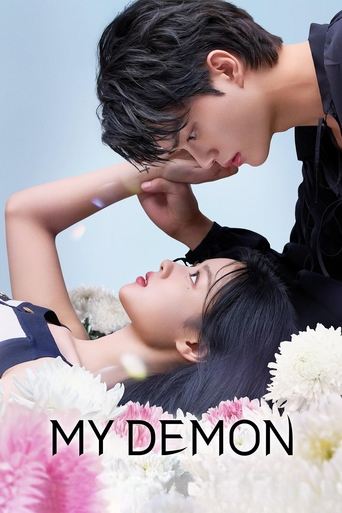
Destined with You (Korean: 이 연애는 불가항력) is a South Korean fantasy romantic comedy-drama written by Noh Ji-sul and directed by Nam Ki-hoon. Aired on JTBC and distributed globally via Netflix across 16 episodes in 2023, the drama weaves together modern municipal governance, folklore, supernatural spells, and a tragic Joseon-era historical past life.

The narrative follows Lee Hong-jo (Cho Bo-ah), a dedicated yet socially isolated low-grade civil servant working at the Onju City Hall, and Jang Shin-yu (Rowoon), a brilliant, wealthy corporate lawyer suffering from an excruciating, hereditary neurological condition that feels like a supernatural curse. Shin-yu discovers that the ancestral land his family owns on Mount Onju holds a condemned shamanic shrine, within which lies a sealed 300-year-old wooden chest that can only be unsealed by Hong-jo.

When Hong-jo opens the chest and retrieves a forbidden book of Joseon spells, she attempts to cast a love potion to win over her office crush, Kwon Jae-kyung (Ha Jun). Instead, Shin-yu inadvertently drinks the concoction. What follows is an irresistible romantic entanglement where the boundaries between genuine affection, magical compulsion, corporate corruption, and reincarnated karmic debts blur into a high-stakes struggle for healing, forgiveness, and true love.

Core Meaning

The overarching philosophy of Destined with You posits that genuine love is not a product of magical coercion or predetermined fate, but an active, conscious choice to forgive and protect another human being. While curses, past-life karma, and mystical potions serve as narrative catalysts, the series illustrates that healing generational trauma requires confronting past wounds, unearthing buried truths, and choosing empathy over resentment. True devotion naturally transcends lifetimes and defies the fear of mortality.

Thematic DNA

Karma, Reincarnation, and Generational Trauma 30%
Free Will vs. Predestination 25%
Social Hierarchy and Systemic Injustice 25%
Obsession vs. True Love 20%

Karma, Reincarnation, and Generational Trauma

The narrative explores how past transgressions and unresolved grief ripple across centuries. Shin-yu's physical affliction—the illusion of a bloody hand clutching his cheek—is the manifestation of ancestral guilt, demonstrating that inherited cycles of suffering cannot be resolved through avoidance or denial, but only through mutual reckoning and reconciliation.

Free Will vs. Predestination

A central dialectic throughout the show's run is whether Shin-yu’s intense attraction to Hong-jo is purely the result of the ingested love spell (Aejungseongsasul) or an intrinsic soul-connection. As both characters wrestle with skepticism and longing, the show demonstrates that authentic love requires human agency, moral clarity, and vulnerable commitment beyond any supernatural intervention.

Social Hierarchy and Systemic Injustice

Mirroring the rigid caste boundaries of Joseon society (where noble scholar Mu-jin loved low-caste shaman Aeng-cho), the modern timeline highlights the prejudices and bureaucratic politics faced by lowest-grade public servants. Hong-jo’s contemporary workplace ostracism parallels her past-life victimization by royal elites and religious fanaticism.

Obsession vs. True Love

The series contrasts the sacrificial, selfless bond between Hong-jo and Shin-yu with destructive, possessive attachments—epitomized by Yoon Na-yeon’s vanity and social status climbing, and Na Jung-beom’s lethal, stalker-driven entitlement masked as devotion.

Character Analysis

Jang Shin-yu / Jang Mu-jin

Rowoon

Archetype: The Cursed Noble / Wounded Intellectual Hero Key Trait: Razor-sharp analytical intellect coupled with deadpan emotional candor.

Motivation

Initially seeks purely a medical or mystical cure to preserve his life; evolves into an overwhelming desire to protect Hong-jo from recurring historical doom.

Character Arc

Starts as an impeccably dressed, cynical, and emotionally aloof attorney living under the shadow of a fatal genetic illness. As the spell shakes his rigid composure, he unlocks a dry, self-deprecating wit, breaks off a toxic relationship, and eventually accepts his past-life guilt as Mu-jin, embracing selfless vulnerability.

Lee Hong-jo / Aeng-cho

Cho Bo-ah

Archetype: The Resilient Underdog / Shamanic Healer Key Trait: Inexhaustible optimism and compassionate resilience.

Motivation

Shifts from a naive wish for superficial affection and workplace acceptance to confronting dangerous stalkers and healing ancestral trauma.

Character Arc

In modern life, Hong-jo is an isolated Grade-9 civil servant accustomed to workplace bullying and solitude. In her Joseon life, she was Aeng-cho, a gifted shaman executed for alleged treason and dark arts. Over the course of 16 episodes, she learns to stand up against workplace abuse, claim ownership of her spiritual lineage, and face past-life heartbreak to forgive the man she loves.

All 5 characters and cast

Symbols & Motifs

The Bloody Hand (피 묻은 손)

Meaning:

Initially represents an inexplicable neurological curse and ancestral guilt; ultimately revealed as the dying touch and spiritual imprint of Aeng-cho reaching toward Mu-jin.

Context:

Manifests throughout the series as a terrifying crimson hand clutching Shin-yu’s face during severe episodes of his inherited condition.

The Wooden Chest and Spell Book (Mokham & Geumseo)

Meaning:

Symbolizes repressed historical memory, hidden power, and the catalyst through which modern characters reconcile with their ancient destinies.

Context:

A 300-year-old cedar box found within the condemned shamanic shrine on Mount Onju that can only be unsealed by Hong-jo.

The Spelled Water / Love Potion

Meaning:

A symbol of human desire for control over emotional outcomes, functioning as both a comedic engine and a philosophical test of genuine romantic agency.

Context:

Brewed by Hong-jo using the Aejungseongsasul ritual for Jae-kyung, but inadvertently consumed by Shin-yu.

The Well / Mount Onju Shrine

Meaning:

The physical and spiritual nexus linking past and present crimes, suffering, and karmic resolution.

Context:

The Joseon site of Aeng-cho's imprisonment and sacrifice, as well as the modern location of the ancestral shrine and hidden buried crimes.

The Red Thread / Crimson Paste

Meaning:

Visually symbolizes the inescapable karmic ties and destined bonds binding the protagonists across centuries.

Context:

Used actively during ancient spellcasting rituals and ritualistic vows in both timelines.

Memorable Quotes

우린 서로 사랑하고 끝없이 행복할 것입니다.
— Jang Shin-yu

Context

Spoken in Episode 16 while burying the wooden chest in the beach sand and proposing to Hong-jo.

Meaning

Formally transforms a 300-year-old curse into an eternal blessing of mutual devotion and chosen love.

이 연애는 불가항력입니다.
— Jang Shin-yu

Context

Spoken to Lee Hong-jo in Episodes 4–5 to explain why he keeps appearing outside her house against his rational judgment.

Meaning

Highlights the central comedic premise and theme of overwhelming romantic compulsion overriding rational logic.

All 5 quotes

Episode Highlights

The Sealed Chest

S1E1

Introduces the contrasting worlds of Hong-jo's municipal civil service work and Shin-yu's legal prowess, establishing the phantom bloody hand curse and the Mount Onju shrine.

Significance:

Sets up the primary supernatural stakes, ancestral mystery, and the discovery of the locked 300-year-old chest.

The Spell Cast Awry

S1E3

Hong-jo performs the Joseon ritual to brew a love potion intended for Kwon Jae-kyung, but Shin-yu accidentally drinks it instead.

Significance:

Ignites the central romantic-comedy engine and begins Shin-yu's uncontrollable infatuation.

Uncontrollable Attraction

S1E5

Shin-yu hilariously wrestles with deadpan declarations of love and physical compulsion that directly clash with his logical demeanor.

Significance:

Solidifies the comedic tone while deepening the emotional entanglement between the leads.

Flickering Past Memories

S1E9

Provides the first substantial flashback to the Joseon era, showcasing nobleman Jang Mu-jin and the shaman Aeng-cho.

Significance:

Bridges the modern comedic misunderstandings with the underlying historical sorrow of their past incarnations.

The Shadow of Mount Onju

S1E12

Jae-kyung uncovers Haum Construction's land corruption while human remains are discovered on Mount Onju tied to dark rituals.

Significance:

Shifts the narrative into high-stakes thriller territory and links modern corporate greed to occult villainy.

The Truth of the Curse

S1E14

After being stabbed by Na Jung-beom, a comatose Shin-yu fully recovers his past-life memories and learns that Mu-jin killed Aeng-cho out of mercy to spare her horrific torture.

Significance:

Lifts the phantom bloody hand curse by transforming perceived malice into past grief, resolving the central mystery.

Endlessly Happy

S1E16

Resolves the legal battles against Mayor Yoon and Haum Construction, imprisons Na Jung-beom, and shows Hong-jo and Shin-yu burying the spell chest on the beach.

Significance:

Provides complete narrative closure with Shin-yu's seaside proposal, cementing a self-chosen future of love.

Philosophical Questions

Can love be manufactured, or is affection only real when anchored in free choice?

Explored through the ambiguity between the involuntary compulsion induced by the love potion and the characters' genuine emotional maturation.

Can a soul bear moral responsibility for actions committed in a past life?

Explored through Shin-yu’s existential anguish upon uncovering that his Joseon self ended Aeng-cho's life, and his need for modern atonement.

Is mercy defined by preserving biological life or sparing a loved one excruciating degradation?

Explored through Mu-jin's harrowing historical decision to grant Aeng-cho a swift death rather than leaving her to suffer public dismemberment.

Alternative Interpretations

The series supports multiple analytical readings:

Full ending explanation

Cultural Impact

Rooted in traditional Korean shamanism (Musok / 무속) and ancient folk geomancy (Pungsujiri), the drama modernizes concepts of vengeful lingering spirits (wonhon) and hereditary spiritual afflictions (sal). It blends the demanding daily realities of South Korean civil servants with supernatural fantasy. While domestic television ratings on JTBC were modest (averaging 2–3%), the series attained significant global popularity on Netflix, consistently charting in the Top 10 non-English TV shows across Latin America, Southeast Asia, and Europe.

Audience Reception

International viewers and critics praised the electric chemistry and comedic timing between Rowoon and Cho Bo-ah, with Rowoon receiving particular acclaim for his deadpan delivery of melodramatic romance lines. The Joseon-era cinematography and musical score (including tracks by Lyn and Park Won) were also lauded.

However, some critics and viewers pointed out pacing slowdowns in the middle episodes (Episodes 7–10), noting repetitive relationship dynamics and tonally abrupt transitions between lighthearted romance and dark stalker-thriller subplots.

Interesting Facts

  • Rowoon lost over 8 kg (approx. 17.6 lbs) to capture Jang Shin-yu’s gaunt, sickly appearance and high-fashion lawyer silhouette.
  • The drama was shot on location across South Korea, with Pohang serving as the primary scenic backdrop for coastal dates and outdoor nature scenes.
  • Destined with You was completely pre-produced prior to broadcast, allowing extensive CGI post-production for historical sets, ghost hand VFX, and seasonal transitions.
  • Screenwriter Noh Ji-sul (100 Days My Prince) and director Nam Ki-hoon (Voice 3, Big Bet) collaborated to contrast Joseon palace intrigue with modern legal comedy.
  • Jo Bo-ah and Rowoon refined many of their characters' petty bickering and comedic banter organically during on-set rehearsals.

Easter Eggs

Hwang Bo-ra Special Appearance

Actress Hwang Bo-ra makes a comedic cameo in Episode 1 as Hong-jo's colleague Jeong-min, setting an early lighthearted workplace dynamic.

Park Byung-eun Cameo

Actor Park Byung-eun guest-stars as the Joseon King during the palace historical flashbacks in the drama's second half.

Lee Tae-ri's Fantasy Pedigree

Lee Tae-ri’s casting as Shin-yu’s lawyer friend Kim Wook playfully nods to his extensive resume in Korean fantasy and historical dramas such as Extraordinary You and Tale of the Nine-Tailed.

Nod to 100 Days My Prince

Writer Noh Ji-sul subtly incorporated historical palace power dynamics and Joseon legal terminology reminiscent of her previous hit series.

Frequently Asked Questions

Explore More About This Movie

Dive deeper into specific aspects of the movie with our detailed analysis pages

Comments (0)

Leave a comment

No comments yet. Be the first to share your thoughts!

Similar Movies