Skip to content
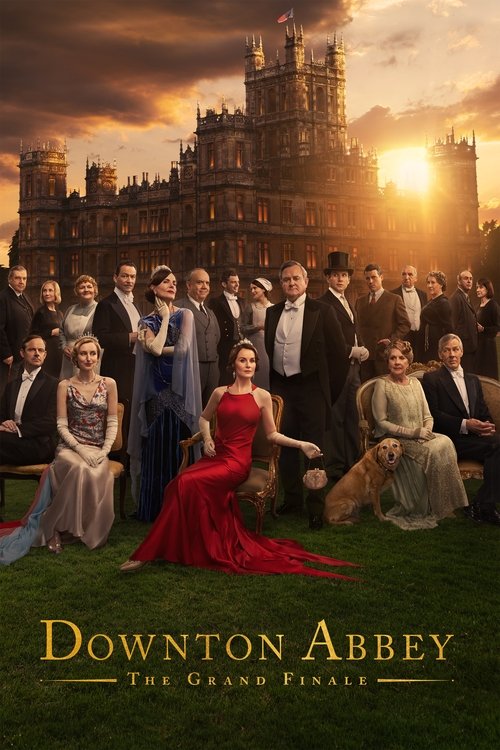
Downton Abbey: The Grand Finale
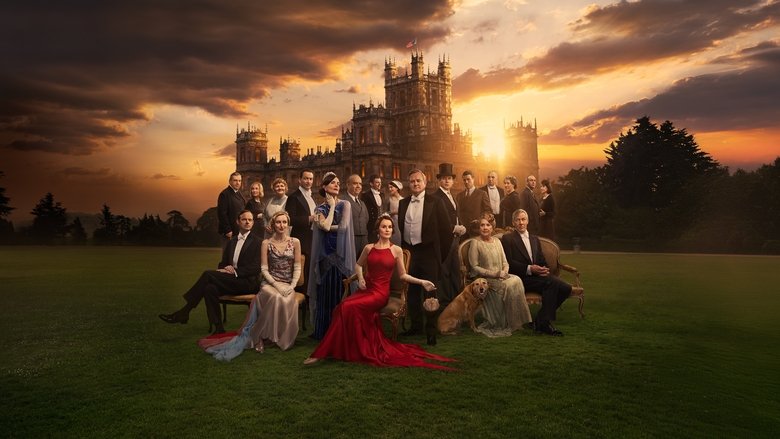
An aristocratic period romance enveloped in twilight nostalgia, tracing an affectionate, bittersweet farewell as golden autumn sunlight gently recedes behind the grand limestone towers of an enduring ancestral haven.
Downton Abbey: The Grand Finale

"The time has come to say goodbye."

10 September 2025 United Kingdom 123 min 7.1 (293)

Director: Simon Curtis

Cast: Michelle Dockery, Hugh Bonneville, Elizabeth McGovern, Phyllis Logan, Jim Carter

Drama Romance Generational Succession and Handing Over the Reins Modernity versus Aristocratic Tradition Family and Interdependence Across Class Grief, Memory, and Enduring Influence
Budget: $50,000,000
Box Office: $107,929,546

Downton Abbey: The Grand Finale — Ending Explained

⚠️ Spoiler Analysis

The film centers on Lady Mary’s private and public separation from Henry Talbot, finalizing a formal divorce that unleashes a scandal across London high society. Shunned by metropolitan society, Mary retreats to Yorkshire with her father, Robert, who rallies the household to shield her.

Meanwhile, the ripples of the 1929 stock market crash arrive in England. Cora's brother, Harold Levinson (Paul Giamatti), arrives from the United States with business updates, forcing Robert to confront the grim financial costs of keeping Downton running in its current form. Rather than resorting to outside bailouts, Robert formally acknowledges that his traditional management style is obsolete.

In an emotional council, Robert and Cora make the executive decision to step down from governing the estate, arranging to relocate their living quarters and leaving the primary management and master keys entirely to Mary and her children, with young George recognized as the eventual master of the new decade. Carson, in parallel, officially hands all duties to the younger downstairs leadership.

The climax converges at the grand Yorkshire Show, where Mary stands tall before the county, brushing aside social snobbery. The film closes on an expansive, sun-drenched montage of the household gathered in harmony: Thomas Barrow happily visiting from London, the staff sharing toasts downstairs, and Mary standing in the great hall before Violet’s portrait, ready to lead Downton Abbey into the modern world.

Alternative Interpretations

Critics and viewers have highlighted distinct perspectives on the film's narrative resolution:

  • Triumphant Evolution vs. Aristocratic Whitewashing: Critics noted a split between viewing the narrative as an inspiring allegory of progressive generational reform versus a conservative, nostalgic fantasy that softens the harsh realities of class privilege and 1930s social upheaval.
  • Lady Mary’s Independence: Mary's divorce can be interpreted either as a feminist breakthrough asserting self-determination over rigid propriety, or as a narrative convenience cleanly clearing Henry Talbot’s absence without disrupting the estate status quo.
  • Barrow’s Ending: Audiences debated whether Barrow’s bohemian lifestyle with Guy Dexter represents genuine social progression for queer characters of the era or an idealized, insulated sanctuary available only to the theatrical elite.

Explore More About This Movie

Dive deeper into specific aspects of the movie with our detailed analysis pages

Similar Movies