Skip to content
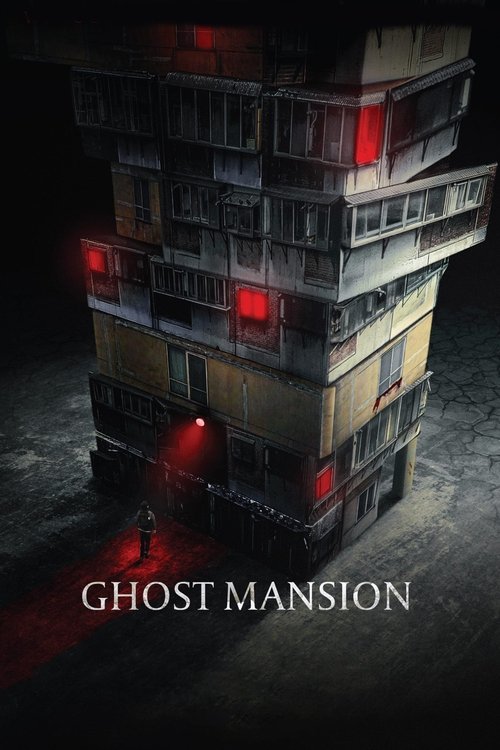
Ghost Mansion
A suffocating descent into architectural madness where everyday domestic claustrophobia metastasizes into cosmic rot, peeling back cracked wallpaper to reveal the parasitic horrors nestled within modern urban isolation.
Ghost Mansion
Ghost Mansion

괴기맨숀

"Welcome to the haunted mansion."

30 June 2021 South Korea 107 min 7.2 (258)

Director: Jo Ba-reun

Cast: Sung Joon, Kim Hong-pa, Kim Bo-ra, Lee Chang-hoon, Park So-jin

Thriller Horror Urban Isolation & Neighborhood Estrangement Parasitic Ambition & Commercialization of Tragedy Rot, Guilt, and Physical Contamination The Inescapable Cycle of Cursed Spaces

Ghost Mansion — Ending Explained

⚠️ Spoiler Analysis

The narrative unfolds through five interconnected chapters detailing the horrifying fates of Gwanglim Mansion's residents:

  • Room 504: The writer learns an orphanage previously burned down on his floor; he is tormented and killed by the charred apparitions of the deceased children after discovering their shoes in his apartment.
  • Room 907: Sun-hwa shelters her married lover Ho-jun, unaware he murdered his family and committed suicide in the Han River. A demonic double mimics him in her shower and kills her.
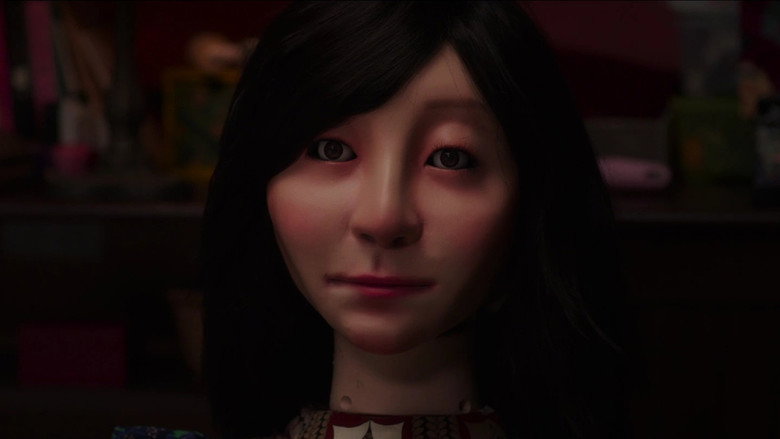
  • Room 708: The corrupt real estate agent lives with a lifelike sex doll, which becomes possessed by a malevolent force and suffocates him.
  • Room 604: A returning student stays with a reclusive friend whose flat is overrun with toxic mold; the student becomes physically contaminated and consumed by the fungal entity.

In the climax (Room 1504), the Caretaker gives Ji-woo a key to the cult safe room. The Caretaker reveals he was a former thief cursed to guard the building after looting the cult. Ji-woo is ambushed by the cult leader's mummified corpse, locked inside the safe, and transformed into the new caretaker. The film ends with Ji-woo's assistant Da-hye arriving at the office, where a transformed Ji-woo greets her with a sinister smile to begin the cycle anew.

Alternative Interpretations

The narrative can be interpreted through multiple analytical lenses:

  • The Capitalist / Content Creator Trap: Ji-woo's downfall is driven by exploitative consumerism; because he treats human pain as disposable digital content, he is trapped into becoming the complex's permanent curator.
  • Psychological Manifestations of Guilt: The apparitions in Room 504 and Room 907 can be read as externalized projections of personal guilt—such as abandoning family or enabling an adulterous killer.
  • Sentient Architectural Parasitism: The apartment functions as a living entity that requires a human gatekeeper to harvest fresh residents in an endless cycle.

Explore More About This Movie

Dive deeper into specific aspects of the movie with our detailed analysis pages

Similar Movies