Skip to content
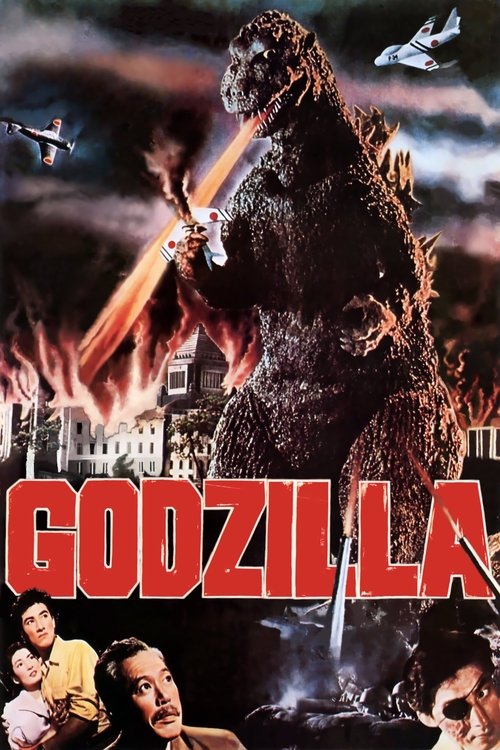
Godzilla
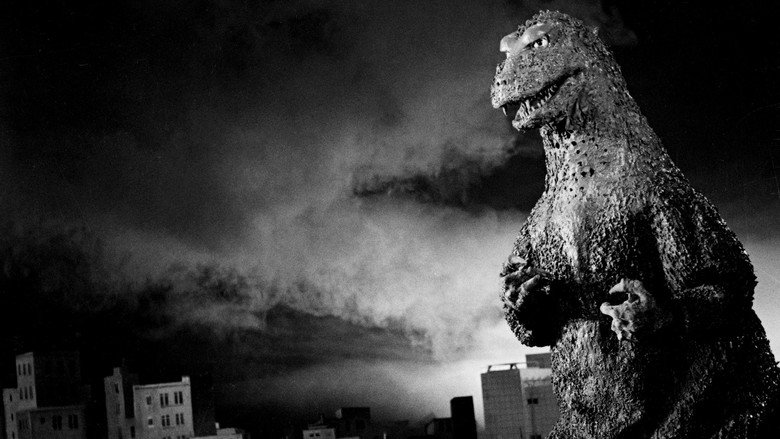
A black-and-white requiem in the shape of a monster: grief, dread and radioactive fire move across a nation still scarred by war, as a living mushroom cloud wades out of the sea.
Godzilla
Godzilla

ゴジラ

"Godzilla, a weapon of science, a great battle of wonder and terror!"

03 November 1954 Japan 96 min 7.6 (1,078)

Director: Ishirō Honda

Cast: Akira Takarada, Momoko Kôchi, Akihiko Hirata, Takashi Shimura, Fuyuki Murakami

Thriller Science Fiction Horror Nuclear trauma and the atomic age Scientific responsibility Collective grief and civilian suffering Humanity versus nature Personal sacrifice and love
Budget: $60,000
Box Office: $2,250,000

Godzilla — Ending Explained

⚠️ Spoiler Analysis

The film's setup builds steadily: ships disappear, Godzilla is identified as a prehistoric creature disturbed by H-bomb testing, and it attacks Tokyo, leaving the city burning and hospitals full of radiation victims. Conventional military weapons fail.

The central twist concerns Serizawa's secret. He has invented the Oxygen Destroyer, a device that removes oxygen from water, suffocating organisms and then dissolving them so that nothing is left. Emiko has seen it demonstrated and promised to keep it secret. Faced with the suffering in Tokyo, she tells Ogata. Serizawa refuses at first, afraid that once the device is used, the world's governments will force him to make more of it, just as happened with the atomic bomb.

Moved by the images of the victims, he agrees to use it only once and burns his research. He and Ogata dive into Tokyo Bay. After setting off the device, Serizawa cuts his own lifeline and dies with Godzilla, so the secret dies with him. Godzilla dissolves down to a skeleton and then disappears.

Hidden meaning: The ending is a victory without triumph. The only thing that can defeat the "bomb" is an even more terrible weapon, and the only way to stop that weapon from spreading is for its inventor to die. Yamane's closing warning, that if we continue conducting nuclear tests, another Godzilla might appear, turns the whole story from a creature feature into a warning aimed straight at the audience's own world.

Alternative Interpretations

Nuclear allegory (the dominant reading): Godzilla is the bomb, and the attack on Tokyo restages Hiroshima and Nagasaki. The final warning points at continued H-bomb testing.

War memory and the returning dead: Some read Godzilla as a ghost of the Pacific War. It comes from the ocean, where so many died, and returns to devastate Tokyo much as the firebombings did. On this reading the film is a ritual of mourning as much as a warning.

The monster as victim: Godzilla is a prehistoric animal pushed out of its home and mutated by humans. It is closer to a hibakusha than to a villain, and Yamane's wish to study it rather than kill it makes its death tragic.

From trauma to national symbol: Another critical line argues that the film, and the franchise after it, turned national trauma into a national symbol. On this view, Japan domesticated its fear by making the monster its own icon.

A retrospective construction: A more skeptical view notes that the reception in 1954 was mixed. Much of the film's canonical "postwar/nuclear Japan" meaning was shaped by later fan and critical culture.

Explore More About This Movie

Dive deeper into specific aspects of the movie with our detailed analysis pages

Similar Movies