Skip to content
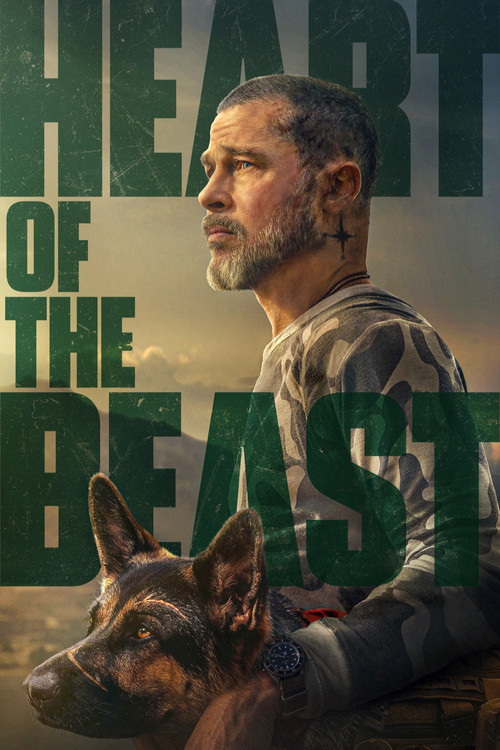
Heart of the Beast
A rugged survival tale about trust and trauma, where a man and his dog cross an unforgiving Alaskan wilderness. Their bond burns like a small fire against endless white silence.
Heart of the Beast

Heart of the Beast

"Survival depends on their bond."

19 September 2026 United States of America 101 min 7.4 (257)

Director: David Ayer

Cast: Brad Pitt, J.K. Simmons, Anna Lambe, Justin Melnick, Shaun DeZern

Thriller Adventure Man and dog bond Trauma and PTSD Survival against nature Mortality and frailty Return and rehabilitation
Budget: $82,000,000
Box Office: $60,649,111

Overview

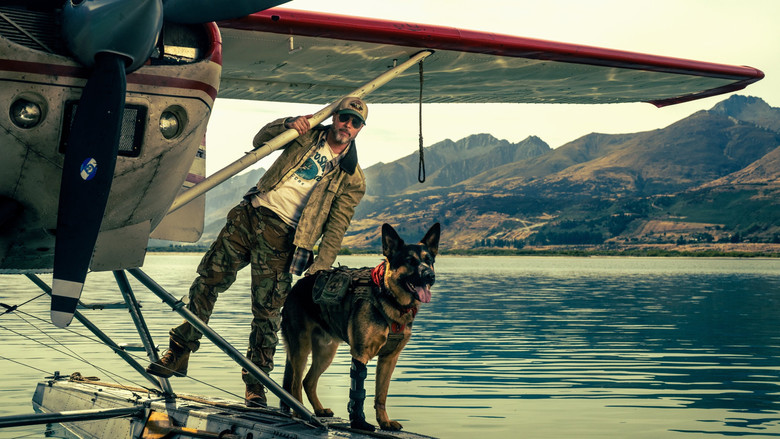
Heart of the Beast (2026) is a survival adventure directed by David Ayer from a screenplay by Cameron Alexander. After a harrowing plane crash, retired Special Forces officer James Belmont (Brad Pitt) and his former combat dog Odin are stranded deep in the Alaskan wilderness. One listing describes a 58-mile trek out.

The pair face the elements and predators, including a bear. A narrow log crossing becomes a set piece because James has a heart condition. Reviewers also read the film as a restrained look at PTSD in soldiers and in combat canines.

The film runs about 101 minutes, is rated PG-13, and was released theatrically on 25 September 2026. The cast also includes J.K. Simmons, Anna Lambe, Justin Melnick and Shaun DeZern. The dog Odin is played by a real dog named Uber.
Core Meaning

The film argues that healing comes through mutual dependence. Man and dog each carry wounds from war, and each pulls the other forward. Critics describe it as a tearjerking portrait of friendship that ends on a bittersweet note about rehabilitation into society. Some reviewers also read a quiet war-weariness in it, while others see sentimental militarism.

Thematic DNA

Man and dog bond 30%
Trauma and PTSD 25%
Survival against nature 20%
Mortality and frailty 15%
Return and rehabilitation 10%

Man and dog bond

The central relationship. James and Odin save each other repeatedly, and reviewers single out Pitt's chemistry with the dog.

Trauma and PTSD

Both veteran and combat dog carry the aftermath of war. Critics note the film treats PTSD in soldiers and in canines with restraint.

Survival against nature

Cold, ravines, water and predators test the pair in a series of escalating perils.

Mortality and frailty

James's heart condition makes his body a threat as well as the wilderness. His physical limits raise the stakes.

Return and rehabilitation

The ending turns to re-entering society, so the journey becomes about coming home as well as escaping.

Character Analysis

James Belmont

Brad Pitt

Archetype: Wounded hero Key Trait: Stoic, wounded resilience

Motivation

To get himself and Odin out alive.

Character Arc

A retired Special Forces officer forced into a physical and emotional trek. His bond with Odin deepens as the journey tests him.

Odin

Uber (dog)

Archetype: Loyal companion Key Trait: Courageous devotion

Motivation

Loyalty to James.

Character Arc

A former combat dog who proves courageous and protective. The film ends with him on a hopeful note, and the director has reportedly confirmed he survives.

Symbols & Motifs

The wilderness

Meaning:

An external version of the characters' inner trauma, indifferent and trackless.

Context:

The crash strands the pair in uninhabited Alaska, where they trek through ravines, water and predator territory.

The heart condition

Meaning:

Vulnerability beneath the soldier's toughness, and the title's literal heart.

Context:

It complicates James's physical challenges, such as the thin log crossing.

Odin, the combat dog

Meaning:

Loyalty, and a war-trained creature learning to be a companion.

Context:

Odin guides and protects James. In the bear scene James tells him not to look at it, so the two can get away.

The road home

Meaning:

Reintegration into civilian life after violence.

Context:

Reviewers cite a journey to the open road and an ending about rehabilitation into society.

Philosophical Questions

Can trauma be healed through companionship?

Man and dog each help the other recover, which suggests healing is relational rather than solitary.

What do we owe the animals we send to war?

The film frames the combat dog as a veteran in his own right, with his own PTSD and his own need for rehabilitation.

How It Ends

Alternative Interpretations

Some critics read the film as a sincere study of trauma and friendship. Others, such as one Letterboxd reviewer, see sentimental cover for militaristic propaganda. A Christian outlet reads the trek as echoing Psalm 23, a walk through valleys of the shadow of death toward deliverance.

Full ending explanation

Cultural Impact

Critics place the film in the tradition of 90s man-and-dog survival adventures. One reviewer called it the ultimate dad movie. Reviews noted that Pitt had already established a memorable canine companionship in Once Upon a Time in Hollywood. Rotten Tomatoes shows mixed-to-positive reviews, and critics have praised Pitt's star power.

Audience Reception

Praise centers on Pitt's chemistry with the dog, the tense survival set pieces and the emotional payoff. Criticism targets a predictable, formulaic story, a spoiler-prone in media res opening, and sentimental militarism. Letterboxd reviewers were split, with scores ranging from 3 to 7 in the sample seen. Overall the film is seen as an honest, crowd-pleasing, if conventional, tearjerker.

Interesting Facts

  • The film is directed by David Ayer from a screenplay by Cameron Alexander.
  • Odin is played by a real dog named Uber.
  • It was released theatrically on 25 September 2026, rated PG-13, with a running time of about 101 minutes.
  • It is credited to Paramount and Crave Films.
  • The film is not based on a book, as a Letterboxd reviewer pointed out.

Frequently Asked Questions

Explore More About This Movie

Dive deeper into specific aspects of the movie with our detailed analysis pages

Comments (0)

Leave a comment

No comments yet. Be the first to share your thoughts!

Similar Movies