Skip to content
Human
A cinematic meditation of monumental intimacy, Human balances quiet vulnerability with soaring earthscapes, reflecting humanity's collective soul as a mosaic of teardrops glistening across endless deserts.
Human
Human
12 September 2015 France 191 min 8.4 (313)

Director: Yann Arthus-Bertrand

Documentary Love, Connection, and Acceptance Violence, War, and Forgiveness Poverty, Inequality, and Human Labor Ecological Interconnection and Belonging Identity, Privilege, and the Meaning of Life
Budget: $15,483,821

Human — Ending Explained

⚠️ Spoiler Analysis

Because Human is a non-narrative documentary, its structural "turns" are driven by thematic sequencing rather than traditional plot points:

  • Volume 1 (Love, Women's Rights, Poverty): Begins with personal definitions of affection, quickly pivoting to systemic domestic violence and the struggle for economic survival, establishing the baseline tension between hope and suffering.
  • Volume 2 (War, Forgiveness, Migration): Darkens considerably, pairing soldiers' battlefield testimonies with stories of genocide and displacement. The emotional climax arrives when survivors describe forgiving the direct killers of their families, demonstrating that forgiveness is an act of liberation for the victim rather than an absolution of the crime.
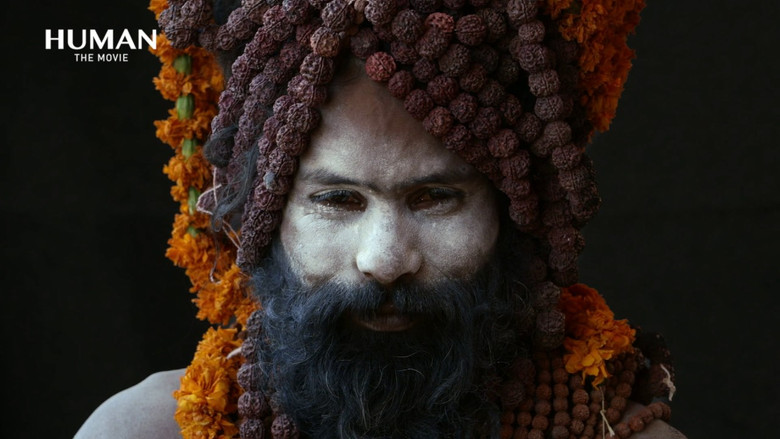
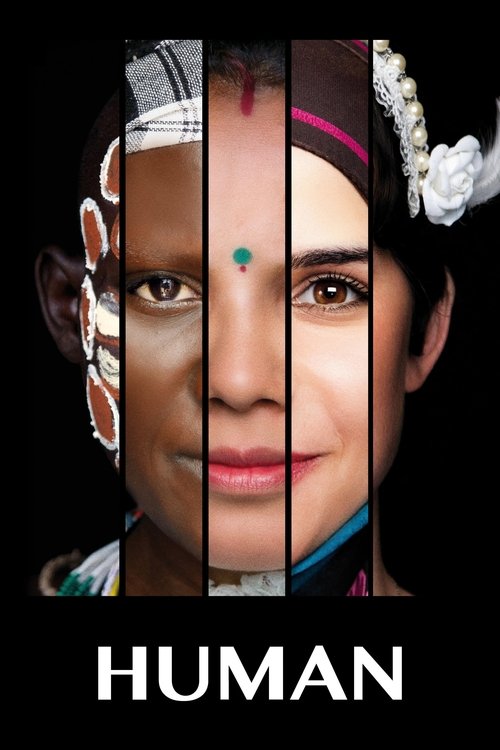
  • Volume 3 & Ending (Mortality, Meaning, and the Future): Shifts toward aging, death, disability, and existential contentment. The documentary closes not with a policy manifesto, but with lingering portraits of smiling, crying, and silent faces framed against the black background, leaving the viewer to look into the mirror of collective humanity.

Alternative Interpretations

The Universalist Humanist Perspective: The film demonstrates that underneath cultural and linguistic differences, all human beings share identical needs for love, freedom, and emotional acknowledgment.

The Materialist / Structural Critique: Some observers interpret the juxtapositions as an indictment of global structural inequality, illustrating how global capitalism and geopolitics produce immense suffering for the global poor while the privileged remain detached.

The Ecological Detachment Reading: Seen through the lens of Arthus-Bertrand's broader environmental work, the bird's-eye views position human beings as an invasive yet fragile species inhabiting a magnificent, indifferent planet.

Explore More About This Movie

Dive deeper into specific aspects of the movie with our detailed analysis pages

Similar Movies