Skip to content
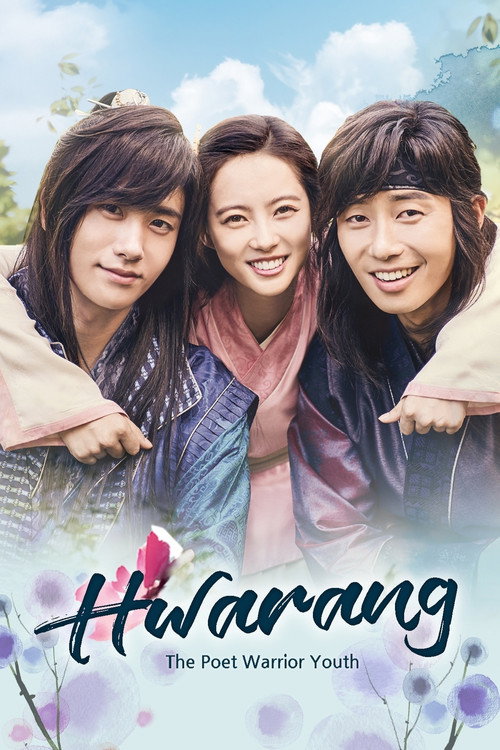
Hwarang: The Poet Warrior Youth
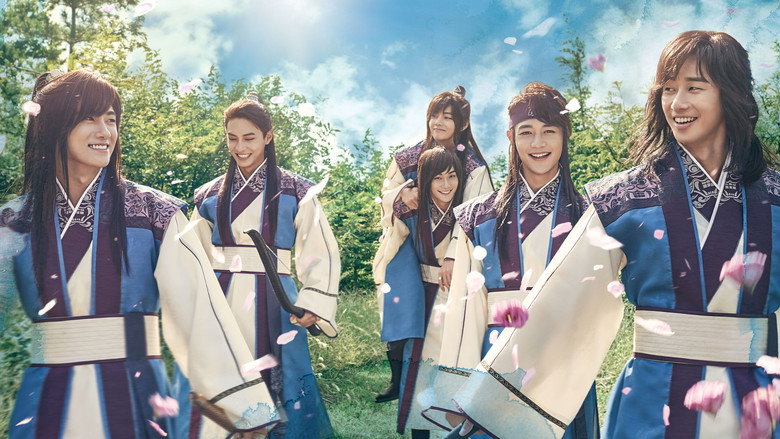
Set against ancient Silla's opulent dawn, Hwarang is a vibrant coming-of-age fusion sageuk alive with camaraderie and tragic longing, mirroring young cherry blossoms braving fierce courtly storms to bloom into unyielding steel.
Hwarang: The Poet Warrior Youth

화랑

19 December 2016 — 21 February 2017 South Korea 1 season 20 episode Ended 7.9 (282)

Cast: Park Seo-jun, Go Ara, Park Hyung-sik, Do Ji-han, Minho

Drama Action & Adventure Comedy Social Hierarchy vs. Human Worth Brotherhood, Found Family, and Unity Identity, Leadership, and True Kingship Sacrifice and the Cost of Maturation

Hwarang: The Poet Warrior Youth — Ending Explained

⚠️ Spoiler Analysis

The series features several major narrative twists:

  • Sun-woo’s True Lineage: Moo-myung is not an ordinary peasant; he is the son of Prince Kim Hwi-kyung (the late King’s disabled elder brother who was stripped of royal status) and a Sacred Bone Wonhwa, making Sun-woo a legitimate Sacred Bone heir with a valid claim to the Silla throne.
  • The Sacrifice of Han-sung: Minister Park and Han-sung’s grandfather threaten Dan-se’s life unless he coats his sword in fatal poison and assassinates Sun-woo. Realizing his brother’s dilemma, Han-sung grabs the poisoned blade with his bare hands to stop the strike, dying in Sun-woo’s arms and shattering the grandfather's manipulative schemes.
  • The Rebellion Subversion in the Finale: In Episode 20, Minister Park attempts to orchestrate a coup by offering Sun-woo the throne over Sammaekjong. Sun-woo appears to agree, leading the armed Hwarang into the royal court, only to draw his blade against Minister Park, shouting 'Long Live King Jinheung!'—revealing a secret pact made between Sun-woo and Jinheung to purge corrupt aristocrats and protect the kingdom.

Alternative Interpretations

Critics and scholars offer several distinct readings of the series:

  • The Coming-of-Age Allegory: The Hwarang academy serves as an allegory for modern youth entering rigid, hyper-competitive institutional structures (such as elite universities or military service), showing how camaraderie and shared moral codes allow young people to preserve their humanity.
  • Critique of Monarchy vs. Democratic Reform: Sun-woo’s decision to crown Sammaekjong rather than claim power himself reflects an embrace of constitutional balance: King Jinheung represents lawful institutional governance, while Sun-woo and the Hwarang represent the watchful voice of the common people.
  • Subversion of Traditional Masculinity: The drama celebrates beauty, emotional vulnerability, dance, and tears among warriors, subverting the stoic, hyper-militarized tropes typical of classic male-centric period epics.

Explore More About This Movie

Dive deeper into specific aspects of the movie with our detailed analysis pages

Similar Movies