Skip to content
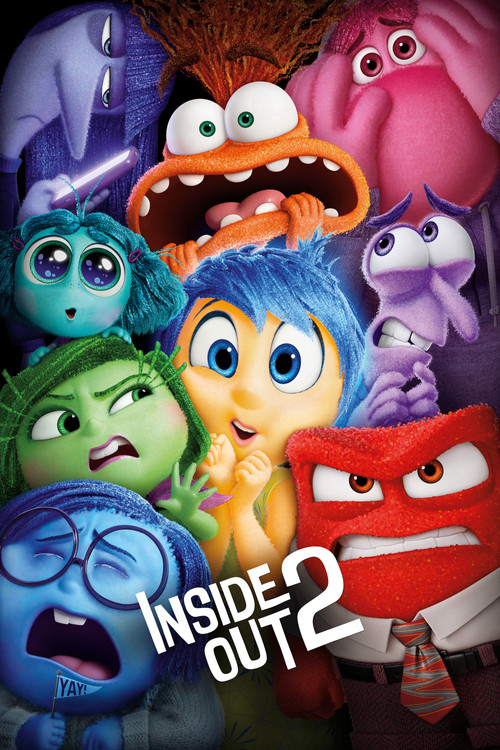
Inside Out 2
A turbulent, heart-swelling coming-of-age journey through the seismic tremors of adolescence, where fragile identity is forged like glass in a kaleidoscopic storm between radiant childhood innocence and the suffocating whirlwind of future uncertainty.
Inside Out 2
Inside Out 2

"Make room for new emotions."

11 June 2024 United States of America 97 min 7.5 (6,880)

Director: Kelsey Mann

Cast: Amy Poehler, Maya Hawke, Kensington Tallman, Liza Lapira, Tony Hale

Animation Family Comedy Adventure Identity Formation and Self-Compassion The Anatomy and Limits of Anxiety The Pitfalls of Toxic Positivity and Emotional Suppression Belonging, Peer Pressure, and Social Insecurity The Bittersweet Loss of Childhood Innocence
Budget: $200,000,000
Box Office: $1,698,863,816

Inside Out 2 — Ending Explained

⚠️ Spoiler Analysis

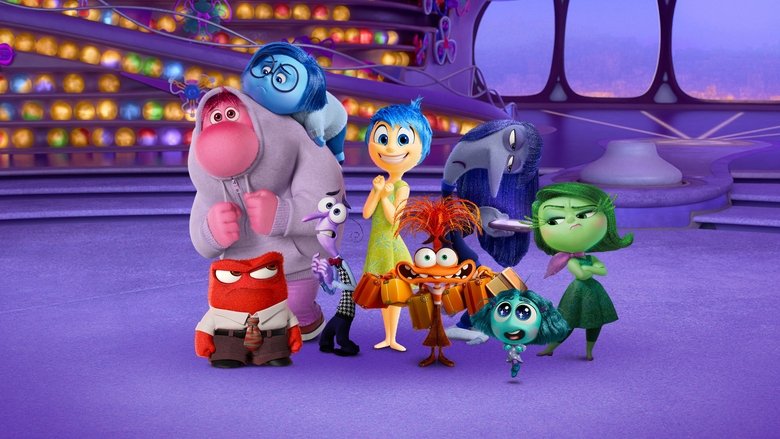
At hockey camp, Anxiety systematically discards Riley's original core beliefs, prompting Riley to alienate her friends, sneak into Coach Roberts' office to read her private notebook, and overexert herself. During the final scrimmage, Riley's panic leads her to body-check her friend Grace, landing her in the penalty box and triggering a severe panic attack depicted as a blinding orange whirlwind.

When Joy returns, she discovers that Riley's old Sense of Self ("I am a good person") no longer fits. Realizing that identity cannot be forced or curated, Joy steps into the storm and tells Anxiety, "You don't get to choose who Riley is."

All nine emotions embrace the new Sense of Self, producing a complex, multi-colored identity embracing contradictory truths: "I make mistakes," "I am kind," "I'm not good enough," "I am trying." Riley uses somatic grounding to recover, apologizes to her friends, and plays for the joy of the game. The film ends before revealing whether Riley made the FireHawks varsity roster, signifying that her self-worth is no longer defined by external validation.

Alternative Interpretations

The film can be interpreted through multiple critical frameworks:

  • The Existential Reading (Death of the Ego): Joy represents the idealized inner child ego ("I am good") while Anxiety represents the hyper-critical superego ("I am not good enough"). The climax portrays ego dissolution, where maturity occurs only when the ego surrenders the illusion of control.
  • Sociological Critique of Youth Burnout: Riley's breakdown reflects the systemic pressures of hyper-competitive youth athletic and academic culture, where perfectionism and status are prioritized over mental health.
  • Neurodivergent and Mental Health Allegory: The sudden arrival of sensory overload and panic sequences can be read as an allegory for Generalized Anxiety Disorder (GAD), offering a narrative guide to mindfulness and somatic grounding.

Explore More About This Movie

Dive deeper into specific aspects of the movie with our detailed analysis pages

Similar Movies