Skip to content
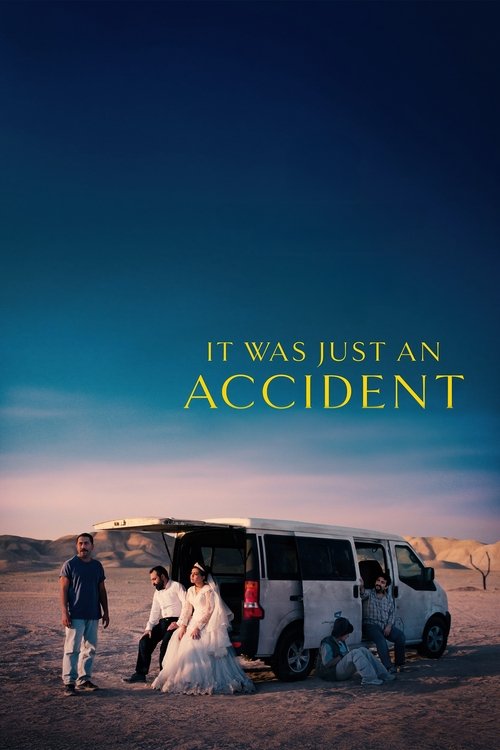
It Was Just an Accident
Claustrophobic road-thriller meets moral tragedy: a harrowing dive into unresolved trauma where the persistent squeak of an iron limb echoes through the desert like an unhealed psychological wound.
It Was Just an Accident

Un simple accident

01 October 2025 Iran 104 min 7.2 (638)

Director: Jafar Panahi

Cast: Vahid Mobasseri, Mariam Afshari, Ebrahim Azizi, Hadis Pakbaten, Majid Panahi

Drama Crime Thriller Mystery Retributive Justice vs. Moral Integrity The Fragility and Distortion of Memory under Trauma Authoritarian Oppression and Everyday Resistance The Continuity of Intergenerational Trauma
Budget: $6,000,000
Box Office: $9,602,793

It Was Just an Accident — Ending Explained

⚠️ Spoiler Analysis

The narrative unfolds through several pivotal turns and twists:

  • The Abduction: Vahid ambushes Eghbal at the garage, drugs or subdues him, places him in a casket-like wooden crate in his van, and drives him into the desert to bury him alive.
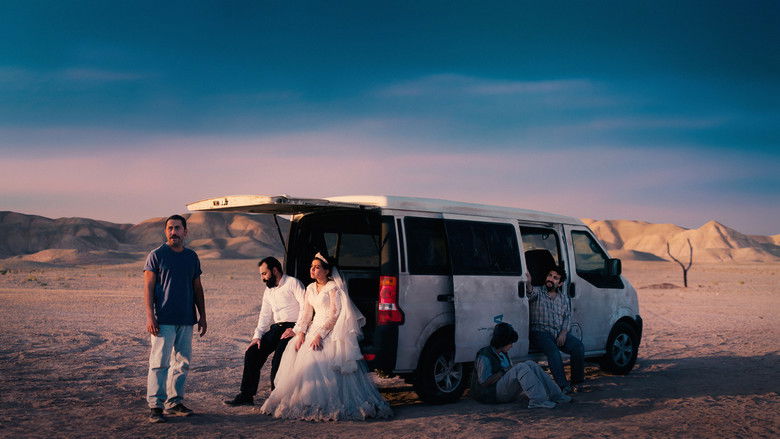
  • The Escalation: Driven by doubt, Vahid stops digging. He picks up Shiva from a wedding photoshoot, along with bride Goli, groom Ali, and the aggressive Hamid.
  • The Emergency Call: While Eghbal is tied up in the back of the van, his phone rings. Shiva answers and hears Eghbal’s young daughter weeping because her pregnant mother is suffering a medical emergency. Shiva arranges medical assistance for the family, highlighting the moral dilemma of targeting a torturer who is also a caretaker.
  • The Climax & Confession: In a remote desert area, the group forces Eghbal out of the box. Initially, Eghbal maintains his "Rashid" cover and proudly asserts his allegiance to regime stability. But as Shiva and Vahid confront him with specific details of their prison interrogations, Eghbal’s facade breaks down completely. He drops to his knees, openly admitting he was indeed "Peg Leg," weeping and begging for mercy.
  • The Decision: Hamid demands they execute him on the spot. However, Vahid and Shiva realize that killing a broken, begging man would degrade them to the level of the state. They leave him stranded on the desert road alive.
  • The Coda: Vahid returns to his normal life. Sitting alone in his home, a white car pulls up outside. As the frame holds on Vahid’s face, footsteps approach and the distinct squeak of Eghbal’s prosthetic leg grows louder, lingering into the fading soundscape as the screen cuts to black.

Alternative Interpretations

The film’s final sequence—where Vahid sits at home while the distinct squeak of a prosthetic leg approaches his front door—has sparked three distinct interpretations among critics and audiences:

  • The Retaliatory Thriller Interpretation: Eghbal, having escaped death through Vahid’s mercy, tracked Vahid down to eliminate him and destroy any witnesses to his past crimes. This reading suggests that showing mercy to an unrepentant agent of state power is naive, as the apparatus of violence will always strike back.
  • The Psychological Realism (PTSD) Interpretation: The approaching sound of the squeaking leg exists entirely in Vahid’s mind. Having chosen not to kill Eghbal, Vahid is nonetheless permanently scarred by trauma; the torturer will mentally haunt him for the rest of his life, functioning as a phantom limb of memory.
  • The Allegorical Reading on Reconciliation: Eghbal returns not to murder, but to confront Vahid in a mutual state of lingering guilt. Under this political lens, Panahi implies that Iran cannot escape its past simply by walking away; victims and victimizers remain tied together in the same living space, forced into an uncomfortable ongoing coexistence.

Explore More About This Movie

Dive deeper into specific aspects of the movie with our detailed analysis pages

Similar Movies