Skip to content
Laid-Back Camp
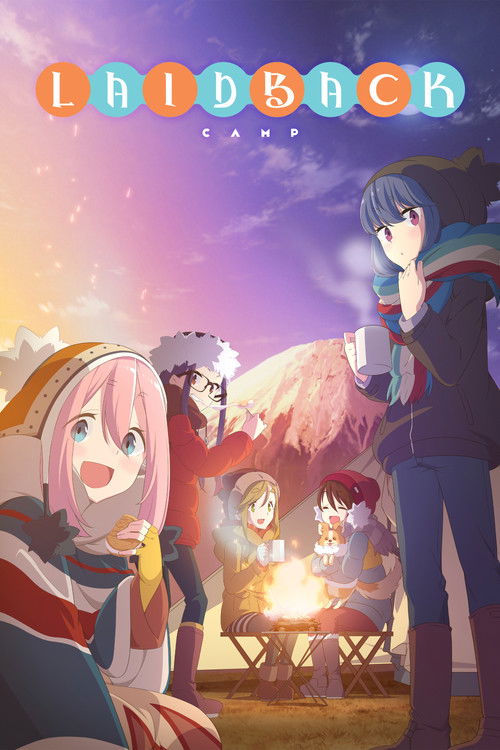
A gentle, restorative journey into the quiet Japanese wilderness where the biting chill of winter air dissolves against the glowing warmth of an open campfire and a steaming cup of soup.
Laid-Back Camp

Laid-Back Camp

ゆるキャン△

"High School Girls Go Yurucamp in Nature!"

04 January 2018 — 20 June 2024 Japan 4 season 37 episode Returning Series 8.2 (126)

Cast: Yumiri Hanamori, Nao Toyama, Sayuri Hara, Rie Takahashi, Aki Toyosaki

Animation Comedy Solitude vs. Companionship (Introversion & Fellowship) Healing, Slow Living, and Mindfulness (Iyashikei) Nature, Geography, and Landscape Immersion The Fellowship and Ritual of Food Practical Self-Reliance and Maturation

Overview

Laid-Back Camp (Yuru Camp△) chronicles the leisurely outdoor excursions of a group of high school girls living in the picturesque Yamanashi and Shizuoka prefectures at the foot of Mount Fuji. The narrative begins when Rin Shima, an introverted and experienced solo camper who prefers off-season tranquility, crosses paths with Nadeshiko Kagamihara, an exuberantly cheerful girl who has recently moved to Yamanashi and fallen in love with the sight of Mount Fuji. Following their spontaneous, comforting dinner of hot curry ramen by Lake Motosu, Nadeshiko joins her school’s Outdoor Activities Club (Nokuru), gradually learning the ropes of wilderness survival, route planning, and outdoor cooking alongside club members Chiaki Oogaki and Aoi Inuyama.

As the series progresses across multiple seasons, the scope of their outdoor adventures widens without ever losing its gentle, contemplative pacing. What begins as separate pursuits—Rin’s solitary moped rides into remote mountain passes and the club's small-scale weekend campouts—gradually weaves together into harmonious group expeditions and parallel journeys. Rather than forcing Rin to abandon her beloved solitude for group socialization, the story establishes a balance where solo camping and communal gatherings coexist naturally.

Across later seasons, the girls transition from inexperienced novices into competent outdoor enthusiasts. They learn to work part-time jobs to afford camping gear, plan multi-day road trips across prefectures like Nagano and Shizuoka, navigate unpredictable weather, and mentor friends such as Ena Saitou and childhood friend Ayano Toki. Through scenic train rides, motorcycle road trips, and shared hot-pot meals under the stars, the overarching narrative is a tranquil tribute to youth, quiet discovery, and the restorative power of the natural world.

Core Meaning

The core philosophy of Laid-Back Camp is that true connection and individual autonomy can peacefully coexist in perfect equilibrium. Unlike conventional coming-of-age media that frequently frames introversion as a social flaw requiring extroverted intervention, the series validates solitary quietude and communal warmth as equally fulfilling lifestyles. Through its depiction of the iyashikei (healing) genre, the series encourages viewers to slow down, disconnect from modern digital noise, observe the subtle rhythms of nature, and discover joy in everyday simplicity—from starting a small wood fire to boiling a kettle on a chilly evening.

Thematic DNA

Solitude vs. Companionship (Introversion & Fellowship) 30%
Healing, Slow Living, and Mindfulness (Iyashikei) 25%
Nature, Geography, and Landscape Immersion 20%
The Fellowship and Ritual of Food 15%
Practical Self-Reliance and Maturation 10%

Solitude vs. Companionship (Introversion & Fellowship)

The primary emotional axis of the series explores how two different approaches to leisure can enrich one another. Rin cherishes the stillness of solo camping, while Nadeshiko and the Outdoor Activities Club revel in shared banter. The series demonstrates that friendship does not demand constant conformity; characters can exchange photos and texts while camping miles apart, sharing an experience across distances without sacrificing personal space.

Healing, Slow Living, and Mindfulness (Iyashikei)

The show operates as a therapeutic oasis, intentionally trading melodramatic conflict for sensory observation. The methodical rituals of outdoor life—pitching a tent, gathering pinecones, waiting for water to boil—serve as meditative practices that relieve stress and encourage presence in the moment.

Nature, Geography, and Landscape Immersion

Nature is not just a passive background but an active presence. The narrative tracks the transition of seasons, shifting elevations, mountain microclimates, and regional landmarks across Yamanashi, Shizuoka, and Nagano, instilling respect for the natural environment and local traditions.

The Fellowship and Ritual of Food

Cooking is presented as a bridge between people and a vital comfort in cold weather. From convenience-store cup ramen eaten in the dark to intricate camp stoves preparing local regional dishes (such as Hōtō noodles, sukiyaki, and foil-baked delicacies), food represents warmth, hospitality, and shared sensory delight.

Practical Self-Reliance and Maturation

Beyond leisurely relaxation, the girls learn budgeting, part-time work, safety measures for sub-zero winter temperatures, and mechanical maintenance for scooters and bicycles, showcasing quiet maturity and competence.

Character Analysis

Rin Shima

Nao Tōyama

Archetype: The Solitary Explorer / Quiet Observer Key Trait: Observant, reserved, self-reliant

Motivation

Finding stillness and personal freedom through solitary winter travel.

Character Arc

Begins as a resolute solo camper wary of club dynamics; gradually opens up to shared trips and parallel camping while preserving her love for solitude.

Nadeshiko Kagamihara

Yumiri Hanamori

Archetype: The Enthusiastic Catalyst / Sunshine Heroine Key Trait: Radiant, empathetic, voracious appetite

Motivation

Experiencing outdoor cooking, scenic vistas, and bringing friends together.

Character Arc

Arrives in Yamanashi as a wide-eyed novice, falls in love with the outdoors, and advances from helper to planning and executing her own solo camp.

All 5 characters and cast

Symbols & Motifs

Mount Fuji (Fuji-san)

Meaning:

A constant visual and emotional anchor representing steadfast tranquility and perspective.

Context:

Mount Fuji acts as the shared horizon connecting the characters even when they are geographically separated across different campsites.

The Campfire / Pocket Stove

Meaning:

Symbolizes warmth, sustenance, and intimate focus.

Context:

The crackle of burning twigs and the flicker of flames visually and sonically ground the characters in the present moment during freezing nights.

The Talking Pinecone ("Konnichiwa")

Meaning:

Personifies nature’s quiet hospitality and whimsical charm.

Context:

A recurring visual and auditory motif that appears whenever characters forage for dry kindling in the forest.

Rin’s Yamaha Vino Moped / Bicycle

Meaning:

A symbol of youth, mobility, and independence.

Context:

Rin’s solo journeys over winding mountain passes represent self-guided discovery and the freedom to chart one's own course.

The "Secret Society BLANKET"

Meaning:

Epitomizes shared warmth, camaraderie, and protection against the elements.

Context:

A recurring visual gag and motif where the girls bundle themselves inside cozy sleeping bags and blankets against winter frost.

Memorable Quotes

コンニチハ
— The Talking Pinecone (voiced by Akio Otsuka)

Context

Season 1, Episode 2 (and recurring throughout the series) when characters forage for kindling in the wilderness.

Meaning

Uttered whenever a character picks up dry pinecones for kindling; became an enduring, meme-worthy greeting among the fanbase and a signature emblem of the show’s lighthearted charm.

買っちった
— Rin Shima

Context

Season 1, Episode 8, when Rin shows off her newly purchased compact campfire grill via text message to Ena.

Meaning

Showcases Rin’s dry humor and the universal excitement of acquiring new outdoor gear.

All 4 quotes

Episode Highlights

Mount Fuji and Curry Noodles

S1E1

The cornerstone pilot episode where Rin finds an asleep and stranded Nadeshiko by Lake Motosu and shares a cup of curry ramen under the clear night sky of Mount Fuji.

Significance:

Ignites Nadeshiko’s passion for camping and sets the tone, musical palette, and visual identity of the entire franchise.

Two Camps, Two Campers' Views

S1E5

Rin embarks on a solo camp in Nagano while Nadeshiko camps with the club in Yamanashi. The two exchange real-time night-view photos from their respective mountain lookouts.

Significance:

Formulates the 'parallel camping' dynamic, proving that connection does not require physical proximity.

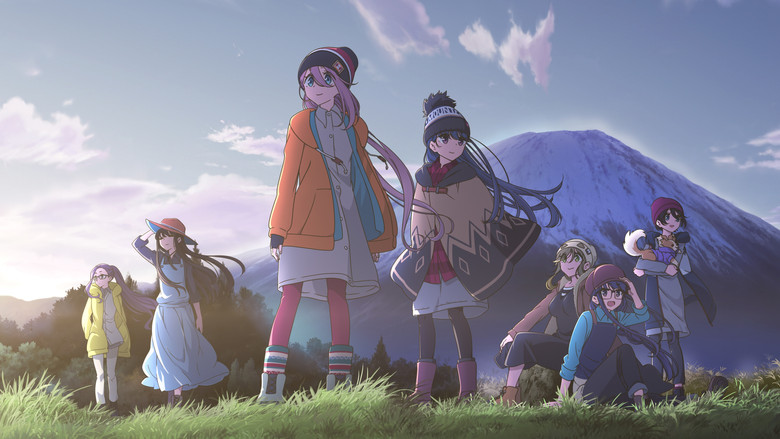
Mount Fuji and the Laid-Back Camp Girls

S1E12

The culmination of Season 1’s Christmas campout where all five main characters (Rin, Nadeshiko, Chiaki, Aoi, Ena) gather together for the first time.

Significance:

Demonstrates Rin’s acceptance of group warmth without surrendering her introverted identity.

New Year's Solo Camp Girl

S2E1

Rin takes an extended solo journey on her scooter to Shizuoka to witness the New Year sunrise over the Pacific coast.

Significance:

Expands the series’ geographical range and highlights Rin's burgeoning independence as a traveler.

Nadeshiko's Solo Camp Planning & Fujinomiya Solo Camp

S2E7

Nadeshiko embarks on her very first solo camping trip at Fujinomiya, with Rin secretly watching over her from a respectful distance without interfering.

Significance:

Marks a major developmental milestone for Nadeshiko, cementing her independence and reciprocal understanding of Rin's solo hobby.

Izu Peninsula Group Camp Trilogy

S2E11

A massive multi-day road trip across the Izu Peninsula celebrating Nadeshiko and Aoi’s birthdays with hot springs, coastal sunsets, and geosite exploration.

Significance:

Serves as the emotional climax of the high school year and the final grand adventure directed by the original C-Station production staff.

Oi River Suspension Bridges & Camp

S3E6

Nadeshiko journeys via vintage train while Rin and Ayano ride motorbikes along the Oi River, traversing historic suspension bridges.

Significance:

Deepens the expanded cast chemistry and integrates multiple travel modalities (train travel vs. motorcycling) into the camping lifestyle.

Philosophical Questions

What is the relationship between solitude and loneliness?

The show distinguishes loneliness (isolation) from solitude (restorative self-communion), demonstrating that enjoying one's own company is a form of emotional health.

How does modern technology mediate distance and shared experience?

Through smartphones and messaging apps, the characters demonstrate that warmth and mutual affection can bridge geographical physical distance without intruding on individual space.

Why does physical discomfort in nature yield psychological satisfaction?

By embracing the cold, rigorous setup, and unpredictability of the elements, characters achieve a deep appreciation for warmth, shelter, and hot food that heated, indoor living cannot replicate.

Alternative Interpretations

Several thematic lenses offer distinct interpretations of the narrative:

Full ending explanation

Cultural Impact

Laid-Back Camp generated a substantial real-world cultural and economic footprint:

  • The Winter Camping Boom: Prior to the anime, winter camping was considered a niche, hardcore pursuit in Japan. Following broadcast, campgrounds like Koan Campsite at Lake Motosu reported more than a threefold surge in off-season visitors seeking the serene winter atmosphere shown on screen.
  • Economic & Tourism Impact: Academic studies conducted by the University of Yamanashi and Yamanashi Chuo Bank calculated hundreds of millions of yen in direct economic boosts to Yamanashi Prefecture through anime pilgrimage tourism (seichijunrei), local merchandise, and specialized camping festivals.
  • Standard-Bearer of Modern Iyashikei: The series revitalized the iyashikei (healing) anime subgenre in the late 2010s and 2020s, proving that low-stakes, educational, and atmosphere-driven storytelling could achieve massive mainstream popularity and global streaming success.
  • Critic & Audience Acclaim: Critics consistently celebrated the show for avoiding overused tropes, praising its respectful depiction of teenage female friendships, grounded realism, and lack of fan service.

Audience Reception

Laid-Back Camp has enjoyed widespread critical and fan acclaim across all its runs:

  • Seasons 1 & 2 Reception: Unanimously glowing across anime review aggregates (MyAnimeList, Anime News Network, Reddit). Praised for its score, cozy ambiance, natural comedic timing, and visual direction.
  • Season 3 Reception: Warmly received for retaining its cozy tone and further developing characters like Ayano Toki. A minor point of debate among fans was the subtle shift in visual aesthetic and director style due to the studio move from C-Station to Eight Bit, though appreciation for the scenic road-trip sequences remained consistently high.
  • Overall Verdict: Regarded as a modern slice-of-life classic and one of the finest, most relaxing pieces of iyashikei entertainment produced in contemporary television anime.

Interesting Facts

  • The production teams from both C-Station and Eight Bit extensively scouted, photographed, and camped at the actual locations featured in Yamanashi, Shizuoka, and Nagano to ensure topographic and atmospheric fidelity.
  • Afro (the manga artist) and the anime animators meticulously rendered real-world outdoor equipment—including Coleman lanterns, Soto stoves, Montbell tents, and Yamaha Vino scooters—matching technical specifications and realistic setup procedures.
  • Renowned veteran voice actor Akio Otsuka (known internationally as Solid Snake in Metal Gear Solid) provides the baritone, soothing voice for both the series' nature documentary-style Narrator and Rin’s grandfather.
  • Composer Akiyuki Tateyama created an acoustic, Celtic and folk-pop inspired musical landscape featuring acoustic guitars, mandolins, tin whistles, and violins to evoke open-air wilderness.
  • After two television seasons and a feature film produced by Studio C-Station under director Yoshiaki Kyōgoku, production transitioned to Studio Eight Bit for Season 3 under director Shin Tosaka, updating the character designs closer to Afro's later manga art style.
  • Local prefectural tourism boards in Yamanashi and Shizuoka worked closely with the production committee to set up official pilgrimage stamps, designated camping grounds, and promotional signage.

Easter Eggs

Afro's Cross-Manga Cameos (mono)

Characters from Afro's other manga series mono (a photography and cine club slice-of-life) appear in subtle background cameos and scenic locations in Yamanashi, linking Afro's creative universe.

Opening Animation Smartphone Details

In the Season 1 opening sequence, the animated LINE chat screens dynamically updated their text and timestamps as the episodes aired, reflecting the actual calendar progression of the characters' semester.

Japanese Puns & Number Wordplay (Goroawase)

Camp license plates and road sign numbers frequently embed Japanese wordplay, such as numbers referencing Mount Fuji (2-2-3 or 3-7-7-6 meters).

Camp Tips via Chibi Shorts (Room Camp / Heya Camp)

At the end of every episode, miniature chibi-styled bonus segments present comical, rapid-fire safety trivia and surreal camping skits.

Frequently Asked Questions

Explore More About This Movie

Dive deeper into specific aspects of the movie with our detailed analysis pages

Comments (0)

Leave a comment

No comments yet. Be the first to share your thoughts!

Similar Movies