Skip to content
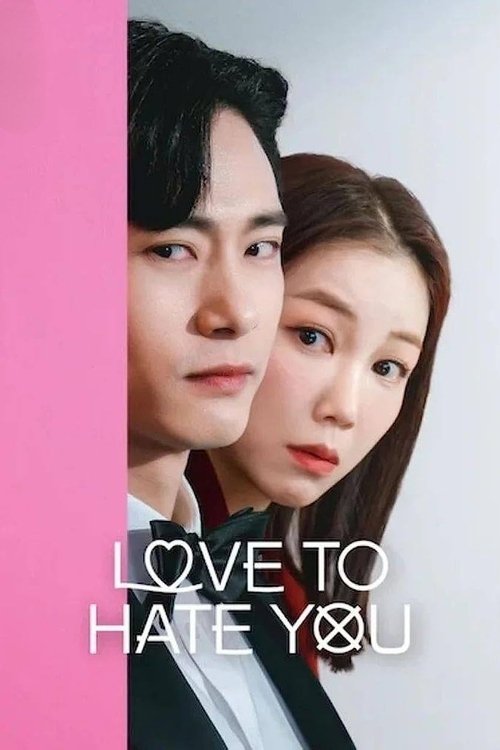
Love to Hate You
A vibrant, sharp-witted romantic battleground pulsating with fiery antagonism and tender vulnerability, where two guarded souls discard their armored cynicism like shattered glass beneath the warm spotlight of genuine connection.
Love to Hate You

Love to Hate You

연애대전

10 February 2023 — 10 February 2023 South Korea 1 season 10 episode Ended 8.2 (126)

Cast: Kim Ok-vin, Teo Yoo, Kim Ji-hoon, Go Won-hee, Kim Sung-ryung

Drama Comedy Dismantling Gender Prejudices and Stereotypes Vulnerability vs. Self-Preservation Public Persona vs. Private Reality Empowerment, Agency, and Equality in Romance

Overview

Love to Hate You (연애대전, 2023) is a South Korean romantic comedy directed by Kim Jung-kwon and written by Choi Soo-young. The 10-episode series centers on Yeo Mi-ran, a fiercely independent and martial-arts-proficient lawyer who harbors an intense distrust of men and refuses to lose to them in any arena, and Nam Kang-ho, South Korea's reigning 'Rom-Com King' actor who suffers from severe anxiety and covert contempt toward women due to past romantic trauma.

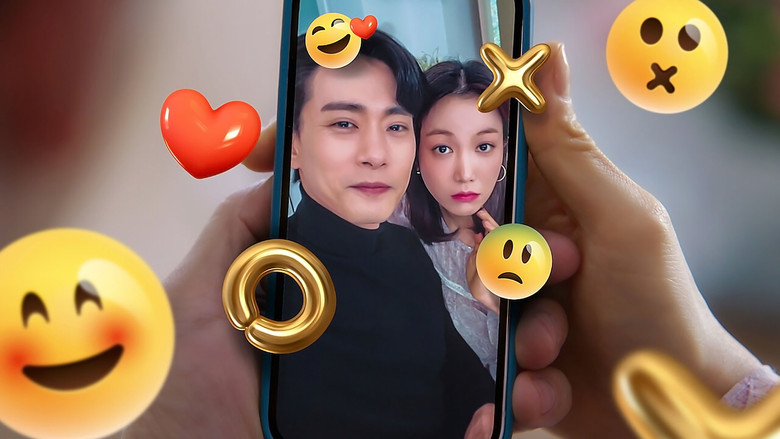
When Mi-ran takes a job at Gilmu Law Firm—a powerhouse firm dealing with celebrity legal scandals—her path collides with Kang-ho. After overhearing him make disparaging remarks about women, Mi-ran resolves to bring him down, suspecting he is a moral fraud. However, an unforeseen public scandal threatens Kang-ho's squeaky-clean image, compelling the two to enter into a high-profile contractual fake-dating arrangement to safeguard their respective professional reputations.

As their faux courtship forces them to spend intense hours together, both in the public eye and behind closed doors, their mutual hostility gives way to reluctant respect, shared vulnerability, and an undeniable attraction. Alongside a charming secondary romance between Kang-ho's loyal talent manager Do Won-jun and Mi-ran's flight attendant best friend Shin Na-eun, the narrative evolves from an antagonistic war of the sexes into an affectionate exploration of healing, mutual respect, and modern adult partnership.

Core Meaning

The overarching message of Love to Hate You is that cynical self-preservation, born out of past betrayal and rigid gender prejudices, only breeds isolation; genuine intimacy requires the courage to dismantle one's emotional defenses. The series uses the classic battle of the sexes framework to illustrate that neither performative masculinity nor aggressive distrust can substitute for empathetic human connection. Ultimately, the creators argue that true partnership is built on mutual respect and equal agency rather than traditional, submissive gender roles.

Thematic DNA

Dismantling Gender Prejudices and Stereotypes 30%
Vulnerability vs. Self-Preservation 25%
Public Persona vs. Private Reality 25%
Empowerment, Agency, and Equality in Romance 20%

Dismantling Gender Prejudices and Stereotypes

The series opens with both protagonists generalizing the opposite sex: Kang-ho views women as opportunistic gold-diggers, while Mi-ran views men as predatory, unfaithful, and fragile. Over the course of the story, their interactions dismantle these rigid assumptions, forcing both to recognize each other's genuine humanity rather than broad stereotypes.

Vulnerability vs. Self-Preservation

Both characters adopt hyper-competent, aggressive personas as survival mechanisms—Mi-ran uses martial arts and promiscuous detachment, while Kang-ho relies on anti-anxiety medication and aloof celebrity detachment. The story demonstrates that real strength lies in allowing oneself to be emotionally exposed.

Public Persona vs. Private Reality

Set against the backdrop of the Korean entertainment industry and high-stakes law, the drama scrutinizes the toll of maintaining idealized public facades. Kang-ho's romantic screen idol image contrasts sharply with his inner terror, while the hyper-critical public eye weaponizes societal double standards against Mi-ran when her private dating history is leaked.

Empowerment, Agency, and Equality in Romance

Unlike conventional tropes where the male lead protects the damsel, Mi-ran physically defends Kang-ho, trains him in martial arts stunt work, and retains complete sexual and career autonomy. The romance flourishes only because it functions as an alliance of equals.

Character Analysis

Yeo Mi-ran

Kim Ok-vin

Archetype: The Rebellious Hero / Warrior Key Trait: Uncompromising fearlessness and exceptional martial arts prowess.

Motivation

To protect herself and women around her from predatory men, evolving into seeking authentic, uncompromised partnership.

Character Arc

Starts as an aggressively self-reliant lawyer who serial-dates men to punish and expose them while keeping her heart completely barricaded. Through her relationship with Kang-ho, she realizes that opening up and seeking love does not diminish her strength or autonomy.

Nam Kang-ho

Teo Yoo

Archetype: The Guarded Heartthrob / Wounded Healer Key Trait: Charismatic exterior masking sincere emotional sensitivity.

Motivation

To maintain his professional standing while keeping emotional distance from women, evolving into a steadfast desire to openly support and love Mi-ran.

Character Arc

A top romantic star whose outward charm masks deep-seated misogyny and crippling anxiety caused by his first love's betrayal. Meeting Mi-ran breaks his cynical worldview, helping him overcome his panic responses and discover sincere romantic commitment.

All 4 characters and cast

Symbols & Motifs

Martial Arts / Physical Combat

Meaning:

Symbolizes agency, defense mechanisms, and parity.

Context:

Mi-ran's martial arts skills are initially her weapon to physically dominate unethical men, but during stunt practice with Kang-ho, combat transforms into a collaborative dance of trust and physical synchronization.

Anti-Anxiety Pills / Panic Attacks

Meaning:

Symbolizes unresolved trauma and emotional paralysis.

Context:

Kang-ho experiences acute physical distress whenever he films romantic scenes with female co-stars, representing the visceral scars of past betrayal.

The Legal Contract (Fake Dating Agreement)

Meaning:

Represents emotional barricades and transactional relationships.

Context:

Starting as a calculated business move to suppress dating and sexuality rumors, the contract becomes the ironic catalyst that forces genuine emotional intimacy.

Vehicles and Driving (Motorcycle / Sports Cars)

Meaning:

Symbolizes autonomy and subverted traditional power dynamics.

Context:

Mi-ran riding motorbikes and taking the driver's wheel positions her in control of her own direction and physical safety.

Memorable Quotes

남자는 다 똑같다는 말, 틀린 말 아니야. 하지만 그게 다 나쁜 놈이란 뜻은 아니겠지.
— Yeo Mi-ran

Context

Season 1, Episode 7: Reflecting on her changing perspectives regarding men and romance.

Meaning

Marks Mi-ran's emotional breakthrough, acknowledging that her blanket cynicism was a defense mechanism and allowing herself to see Kang-ho's true character.

당신은 내가 여태까지 만난 어떤 여자들과도 달라요.
— Nam Kang-ho

Context

Season 1, Episode 6: Speaking directly to Mi-ran as their connection deepens beyond the contract.

Meaning

The pivotal romantic turning point where Kang-ho recognizes that his anti-anxiety medication is no longer needed around Mi-ran, sparking real affection.

All 3 quotes

Episode Highlights

Bad Girl (나쁜 여자)

S1E1

Introduces Yeo Mi-ran's combat readiness and deep cynicism alongside Nam Kang-ho's hidden panic attacks and public facade. Mi-ran overhears Kang-ho's sexist comments.

Significance:

Establishes the core ideological conflict and initial antagonism between the lead characters.

When Good Guys Turn Bad (착한 남자의 배신)

S1E3

Mi-ran begins her new role at Gilmu Law Firm and deliberately maneuvers into Kang-ho's circle to uncover dirt on him.

Significance:

Brings both lead characters into the same professional ecosystem and sets up their dynamic.

Redefining Drama (드라마를 다시 쓰다)

S1E4

A public scandal erupts surrounding Kang-ho's sexual orientation, leading Won-jun and Mi-ran to draft a high-profile fake-dating contract.

Significance:

Initiates the fake-dating contract trope, forcing the leads into prolonged physical and emotional proximity.

Femme Fatale vs. Homme Fatale (치명적인 대결)

S1E6

While training together for an action film project, physical combat transforms into undeniable romantic tension; Kang-ho realizes he has zero panic response when kissing Mi-ran.

Significance:

Serves as the major psychological turning point in Kang-ho's emotional healing and mutual attraction.

How to Be a Bad Guy (나쁜 놈이 되는 법)

S1E8

The couple officially transitions from contract dating to genuine partners, confronting their past exes and acknowledging authentic feelings.

Significance:

Consolidates their romantic transition from transactional fake daters to authentic romantic partners.

A Passionate Goodbye (뜨거운 안녕)

S1E10

Mi-ran's extensive past dating history is leaked online, sparking intense public slut-shaming and boycotts against Kang-ho. After a selfless temporary breakup, the public narrative is reframed through women standing up for Mi-ran, leading to a jubilant, equal reconciliation.

Significance:

Resolves the primary thematic conflicts regarding societal double standards, concluding with equal romantic reconciliation for both primary and secondary couples.

Philosophical Questions

Is cynicism a legitimate form of self-defense, or does it inevitably turn into prejudice?

Explored through Mi-ran and Kang-ho's initial defensive posturing, demonstrating how trauma-induced defense mechanisms can curdle into sweeping, unfair generalizations about entire groups of people.

Can societal double standards surrounding female sexual autonomy be dismantled by personal integrity alone?

Investigated during the climactic leak of Mi-ran's dating history, showing how systemic slut-shaming requires collective female solidarity and vocal public pushback rather than isolated endurance.

Is public celebrity culture fundamentally incompatible with authentic private truth?

Examined through Kang-ho's fabricated public image and the performative nature of his contractual romance, contrasting manufactured celebrity personae against private vulnerabilities.

Alternative Interpretations

Critical perspectives offer contrasting interpretations of the series:

Full ending explanation

Cultural Impact

Released during an era of heightened public discourse surrounding gender dynamics in South Korea, Love to Hate You tackled the country's polarization of gender attitudes through an accessible, lighthearted rom-com lens. The drama specifically highlighted double standards in Korean society: male celebrities often escape judgment for extensive dating histories, whereas women face severe professional and social retribution for sexual autonomy and multiple past relationships.

The show achieved top global Netflix non-English television rankings across Asia and Latin America upon release, celebrated by audiences as a refreshing return to classic, fast-paced romantic comedies while offering a more mature, sexually candid perspective than traditional broadcast dramas.

Audience Reception

Reviewers commended the electrifying chemistry between Kim Ok-vin and Teo Yoo, the fast-paced 10-episode runtime, and the refreshing subversion of typical 'damsel in distress' tropes. Kim Ok-vin's comedic and physical versatility received widespread acclaim.

Minor criticisms focused on the slightly choppy editing of early episodes and the show's occasionally blunt, elementary handling of complex gender dynamics. Overall, the drama was highly rated among viewers (holding strong ratings across IMDb and MyDramaList) as one of 2023's most addictive, comforting, and breezy romantic comedy binges.

Interesting Facts

  • Kim Ok-vin, widely known for intense dramatic and action roles such as Park Chan-wook's Thirst and The Villainess, took on her very first full-fledged romantic comedy lead role in Love to Hate You.
  • Kim Ok-vin performed the vast majority of her own martial arts stunts, incorporating her real-life training in Hapkido and Taekwondo into Mi-ran's fight scenes.
  • Teo Yoo, who gained international acclaim for arthouse and dramatic cinema (such as Leto and later Past Lives), made his romantic-comedy leading man debut in this series, demonstrating his comedic timing and romantic charm.
  • Produced specifically for Netflix by Binge Works, the series was structured into a tight, 10-episode format rather than the traditional 16-episode K-drama standard, trimming narrative filler to prioritize brisk comedic pacing.

Easter Eggs

Cameo by Kim Sung-ryung

Veteran actress Kim Sung-ryung plays top star Choi Soo-jin, a key client of Gilmu Law Firm whose legal struggles mirror real-world celebrity divorce battles in South Korea.

K-Drama Meta-Tropes Parody

Kang-ho's in-universe period dramas and romantic projects playfully parody melodramatic K-drama conventions, including dramatic wrist-grabs, slow-motion gazes, and manufactured kiss scenes.

Action Cinema Allusions

Mi-ran's martial arts sequences in alleyways and gym mats visually nod to classic Hong Kong action cinema and Kim Ok-vin's own iconic action choreography from The Villainess.

Frequently Asked Questions

Explore More About This Movie

Dive deeper into specific aspects of the movie with our detailed analysis pages

Comments (0)

Leave a comment

No comments yet. Be the first to share your thoughts!

Similar Movies