Skip to content
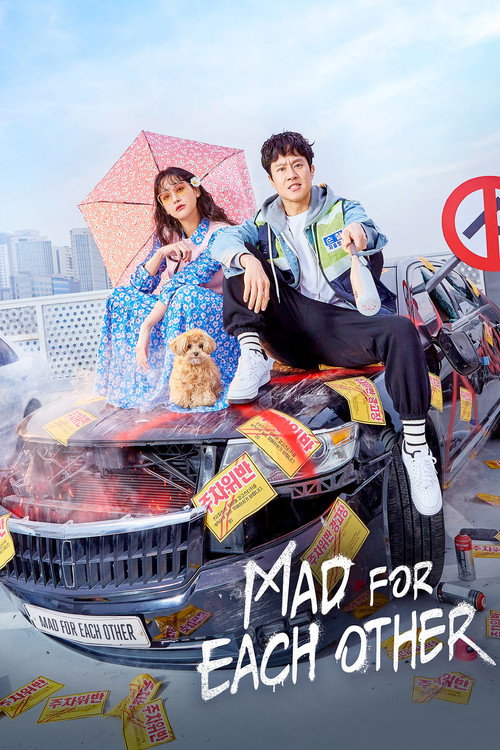
Mad for Each Other
A bruised urban dramedy cloaked in stormy humor and tender melancholy, where two fractured souls clash under pouring rain like flint and steel, igniting warmth from the ashes of shared trauma.
Mad for Each Other

Mad for Each Other

이 구역의 미친 X

24 May 2021 — 21 June 2021 South Korea 1 season 13 episode Ended 8.1 (131)

Cast: Jung Woo, Oh Yeon-seo, Baek Ji-won, Lee Hae-eun, Lee Yeon-doo

Drama Comedy Trauma, Mental Illness, and the Destigmatization of "Madness" Societal Judgment, Gossip, and Victim-Blaming Protection, Safety, and Rebuilding Trust Marginalization and Non-Conformity Restorative Justice vs. Retributive Anger

Overview

Mad for Each Other is a 13-episode South Korean romantic comedy-drama directed by Lee Tae-gon and written by Ah Kyung. Running at a brisk 30 to 40 minutes per episode, the series follows Noh Hwi-oh (Jung Woo), a passionate Gangnam violent crimes detective suspended from duty following an undercover drug operation gone catastrophically wrong. Saddled with explosive anger management issues, severe humiliation, and mandatory counseling, Hwi-oh's routine implodes when he repeatedly crosses paths with Lee Min-kyung (Oh Yeon-seo), an eccentric, hyper-vigilant recluse trapped in debilitating paranoia, agoraphobia, and obsessive-compulsive coping rituals following a traumatic, abusive past.

Unbeknownst to them initially, they are next-door neighbors in the same suburban apartment building and share the exact same psychiatrist. What begins as an aggressive clash fueled by misunderstandings—she mistakes him for a dangerous stalker, while he perceives her erratic defensiveness as irrational hostility—gradually gives way to genuine curiosity and mutual reliance. Bound together by common vulnerabilities and the shared adoption of an abandoned puppy, the two slowly unpack the psychological wounds dictating their lives.

As the narrative unfolds, the series moves beyond slapstick encounters into a grounded exploration of personal healing, neighborhood solidarity, and justice. Both characters are forced to confront the external villains who destroyed their lives—a corrupt criminal network for Hwi-oh and an unrepentant, vindictive abuser for Min-kyung. Together, they learn that emotional recovery is neither linear nor instantaneous, but becomes possible when supported by empathy and emotional safety.
Core Meaning

The central message of Mad for Each Other is that society frequently slaps the derogatory label of "crazy" onto people experiencing profound, unaddressed psychological trauma, masking institutional failures, social cruelty, and victim-blaming. Through Hwi-oh’s rage and Min-kyung’s acute paranoia, the drama demonstrates that dysfunctional coping mechanisms are often desperate armor erected in response to betrayal and abuse.

Crucially, the drama delivers an anti-cliché thesis on mental health: love alone does not miraculously cure clinical neuroses or erase trauma, but healthy human connection and mutual respect create the necessary safety for professional therapy and self-reclamation to take root. Healing requires acknowledging pain without shame, demolishing stigmas, and building communities anchored in acceptance rather than judgment.

Thematic DNA

Trauma, Mental Illness, and the Destigmatization of "Madness" 35%
Societal Judgment, Gossip, and Victim-Blaming 25%
Protection, Safety, and Rebuilding Trust 20%
Marginalization and Non-Conformity 10%
Restorative Justice vs. Retributive Anger 10%

Trauma, Mental Illness, and the Destigmatization of "Madness"

Introduced through heightened comedic situations—Hwi-oh screaming into the sky and Min-kyung peering behind oversized shades with a flower in her hair—the theme shifts into raw psychiatric realism. Flashbacks reveal Min-kyung's domestic abuse and Hwi-oh's workplace betrayal. Rather than trivializing their conditions, the drama emphasizes legitimate clinical interventions (therapy sessions, breathing exercises) and depicts progress as gradual and fragile.

Societal Judgment, Gossip, and Victim-Blaming

Explored primarily through the apartment complex’s Women's Association and internet culture. Min-kyung is treated with hostility and branded a home-wrecker after escaping a predatory ex-partner, reflecting systemic misogyny and moral panic. As neighbors learn the truth, gossip gives way to collective protection, critiquing reflexive prejudice and emphasizing the need for communal empathy.

Protection, Safety, and Rebuilding Trust

Rooted initially in defensive isolation, the need for safety evolves into reciprocal guardianship. Hwi-oh’s protective impulses are redirected from volatile anger toward steady, respectful support for Min-kyung, while Min-kyung’s growing trust in Hwi-oh empowers her to step into public spaces and face past abusers.

Marginalization and Non-Conformity

Illustrated through secondary characters such as Sang-yeob/Samantha (a cross-dresser facing ostracization) and Su-hyun (an overworked young worker trapped in part-time precarity). The series connects the protagonists' suffering to broader structural and social pressures in contemporary South Korea.

Restorative Justice vs. Retributive Anger

Explores Hwi-oh's initial pursuit of vengeance and police reinstatement contrasted with lawful vindication. Over the series, personal resolution shifts from punishing wrongdoers through blind fury to dismantling corrupt systems and securing closure.

Character Analysis

Noh Hwi-oh

Jung Woo

Archetype: The Wounded Protector / Gruff Antihero Key Trait: Fiery, unpolished earnestness paired with fierce loyalty.

Motivation

Cleansing his smeared police record and finding peace, which transforms into protecting Min-kyung and becoming emotionally healthy.

Character Arc

Begins as a suspended detective consumed by volcanic rage, digestive stress, and grief over his partner's death. As he learns about Min-kyung’s trauma, his uncontrolled temper is redirected into disciplined protection. By confronting police corruption legally rather than with blind violence, he regains professional honor and emotional equilibrium.

Lee Min-kyung

Oh Yeon-seo

Archetype: The Traumatized Survivor / Recluse Key Trait: Hyper-vigilant perceptiveness and stubborn inner resilience.

Motivation

Preserving physical and emotional safety from male violence; evolves into rebuilding self-worth and genuine human connection.

Character Arc

Starts as a hyper-paranoid recluse burdened by PTSD, gaslighting, and public vilification following an abusive affair with a deceitful married man. Initially hostile to everyone, she takes tentative steps toward vulnerability through interaction with Hwi-oh and Howi. She eventually finds the courage to drop her disguise, stand up to her abuser and his toxic family, and reclaim autonomy.

All 4 characters and cast

Symbols & Motifs

The Emergency Whistle (호루라기)

Meaning:

Symbolizes safety, dependable connection, and an externalized boundary of protection. It serves as a tangible lifeline that replaces terror with trust.

Context:

Given to Min-kyung by Hwi-oh. Whenever anxiety paralyzes her, she uses the whistle knowing that Hwi-oh will immediately run to her side.

The Abandoned Dog ("Howi" / 호위)

Meaning:

Named after a play on "guard/escort" and Hwi-oh’s name, Howi mirrors the leads' internal states: beaten, untrusting, yet yearning for kindness. Nurturing the puppy unlocks reciprocal gentleness.

Context:

An injured stray dog rescued jointly by Min-kyung and Hwi-oh, serving as a shared responsibility that forces both leads to care for another life.

Rain and Umbrellas

Meaning:

Rain acts as an emotional catalyst and narrative turning point, while the umbrella functions as a physical shield between internal trauma and the intrusive outside world.

Context:

Introduced in the opening episode where pouring rain traps the leads together and exposes Hwi-oh's desperation, alongside Min-kyung clutching an oversized umbrella for protection.

Sunglasses and Flower in the Hair

Meaning:

Functions as intentional armor rather than vanity. By presenting herself as outwardly eccentric and unpredictable, she deters strangers from approaching her.

Context:

Worn habitually by Min-kyung whenever she ventures outside her apartment complex into public spaces.

Doors, Door Locks, and Digital Keypads

Meaning:

Visualizes OCD, hypervigilance, and lingering fears of domestic boundary violations. Stepping across a threshold or leaving a door unlocked marks major psychological milestones in vulnerability.

Context:

Portrayed through Min-kyung's repetitive checking of lock cylinders and passcode re-entries at her apartment door.

Memorable Quotes

너는 숯처럼 까맣게 타버렸어. 불을 끄려면 물의 기운이 필요해.
— Mother to Noh Hwi-oh

Context

Spoken in Episode 1 while laundering Hwi-oh's soiled clothes following his public indignity.

Meaning

Establishes the Daoist yin-yang metaphor of the series: Hwi-oh represents burnt-out fire, while Min-kyung embodies the cool water energy required to temper his rage.

내가 너랑 또 말 섞으면 사람이 아니라 개다.
— Noh Hwi-oh to Lee Min-kyung

Context

Spoken during an exasperated, absurd shouting match outside their apartment doors in early episodes.

Meaning

Establishes their explosive comedic enmity and introduces the dog motif that recurs later when they rescue the stray puppy together.

All 4 quotes

Episode Highlights

Rainy Day Freak Encounter

S1E1

Establishes the volatile tone, combining bathroom slapstick with raw humiliation and acute paranoia. Introduces both characters' psychological disorders without sugarcoating them.

Significance:

Sets the "enemies" baseline and sparks the apartment turf war between the two troubled neighbors.

Finding Howi

S1E3

Depicts the joint rescue and veterinary care of an abused, abandoned puppy found in the neighborhood.

Significance:

Breaks down Min-kyung's hostility, reveals Hwi-oh's gentleness behind his gruff exterior, and serves as the primary catalyst converting their rivalry into domestic collaboration.

The Cross-Dressing Neighbor and Broken Prejudices

S1E5

Centers on the neighborhood misunderstanding surrounding Sang-yeob/Samantha cross-dressing, confronting the apartment community's hypocrisy and fear of otherness.

Significance:

Broadens the drama’s thematic scope beyond the romantic leads to critique social intolerance and conformist prejudice.

Shared Walls, Shared Scars

S1E7

Min-kyung's past trauma and the sex-tape blackmail by her married ex-boyfriend are systematically unveiled, shifting the drama's atmosphere into raw psychological drama.

Significance:

Deepens viewer empathy for Min-kyung and pivots Hwi-oh's role into that of a fierce, protective ally.

The Whistle Blows

S1E10

The couple officially confronts their feelings, cemented by the whistle motif and an earnest confession.

Significance:

Reaches the romantic high point while foreshadowing the unavoidable collision with Min-kyung’s ex-partner and Hwi-oh’s pending drug bust.

The Shadow Returns

S1E12

The abusive ex-boyfriend Seon-ho re-enters alongside his hostile mother, ambushing Min-kyung with threats and demands to drop charges.

Significance:

Tests Min-kyung’s newfound stability and forces Hwi-oh to suppress his rage in order to protect her legally.

The Crazy X of Our Hearts

S1E13

Presents an explosive resolution where Hwi-oh catches drug ring kingpin Yang Pil-hee while preventing Min-kyung's ex from executing final harm. Avoids a magical "cure" ending by depicting ongoing therapy, independent growth, and mutual reunion.

Significance:

Provides closure to all subplots, demonstrating that genuine healing is an active, day-to-day choice rather than an instant miracle.

Philosophical Questions

Who defines "normalcy" in a society governed by superficial conformity?

The drama questions whether behaving abnormally in response to severe injustice is a symptom of sickness or a natural human reaction to an unhinged environment.

Can love serve as a therapeutic bridge without enabling unhealthy codependency?

The series interrogates whether leaning on another person aids recovery or risks replacing one coping crutch with another, ultimately endorsing interdependence rooted in self-work.

Where does individual responsibility end and societal complicity begin in cases of domestic trauma?

By exploring Min-kyung’s online vilification, the narrative asks why societies reflexively interrogate the victim’s morality rather than the perpetrator’s criminality.

How It Ends

Alternative Interpretations

The series supports multiple complementary readings:

Full ending explanation

Cultural Impact

Aired in mid-2021, Mad for Each Other emerged amid mounting public discussions in South Korea concerning digital sex crimes, revenge porn, domestic abuse, and the persistent social stigma surrounding psychiatric help. The series directly mirrored real-world controversies regarding legal leniency toward domestic abusers and the severe online victim-blaming experienced by female victims.

The drama also received critical recognition for its inclusive representation of LGBTQ+ and gender non-conformity through the character of Sang-yeob/Samantha. Critics noted this as a rare, empathetic portrayal in mainstream Korean television, presenting a cross-dresser not as a punchline or criminal, but as a normal neighbor deserving of dignity.

As a sleeper hit on KakaoTV and internationally on Netflix, the show was praised as an insightful, concise antidote to bloated 16-episode formats, earning comparisons to Ted Lasso and It's Okay to Not Be Okay. It proved that 30-minute mid-form K-dramas could address mature, heavy psychiatric themes without sacrificing emotional depth or romantic chemistry.

Audience Reception

Mad for Each Other achieved an overall consensus as an 8.5/10 sleeper hit, regarded as one of the most underrated and heartwarming romantic comedies of 2021.

Viewers and critics offered strong praise for:

  • Pacing and Format: The 13-episode, 30-minute runtime was lauded for eliminating filler, subplot bloat, and dragged-out misunderstandings.
  • Lead Chemistry and Acting: Oh Yeon-seo and Jung Woo received widespread critical acclaim for their emotional vulnerability, comedic timing, and organic romantic progression.
  • Thoughtful Mental Health Depiction: The show was applauded for treating trauma, panic attacks, and therapeutic interventions with clinical seriousness rather than trivializing them.

Conversely, common criticisms noted:

  • Abrasive Opening Episodes: Early reliance on screaming, slapstick, and crude humor (including gastrointestinal distress) alienated some viewers before the series found its emotional footing.
  • Hwi-oh's Volatility: His explosive shouting early on bordered on triggering or toxic for certain audience members.
  • Rushed Antagonist Resolution: Wrapping up the drug ring and the ex-boyfriend confrontation across the final episodes felt somewhat compressed.

Interesting Facts

  • KakaoTV produced the show as a mid-form digital drama consisting of 13 half-hour episodes, departing from the standard 60-to-70-minute, 16-episode format common to Korean television.
  • Renowned for female ensemble slice-of-life (Hello, My Twenties! / Age of Youth) and workplace realism (Diary of a Prosecutor), director Lee Tae-gon balanced slapstick physical comedy with sensitive, heavy psychological drama.
  • Musician Lee Su-hyun (vocalist of the sibling duo AKMU) took on her first recurring, prominent acting role in a multi-episode drama series, playing the deadpan, exhausted part-timer.
  • Jung Woo leaned into improvisational physical comedy and slapstick, drawing on his natural comedic timing from Reply 1994 while contrasting it with visceral drama.
  • Production took place under strict pandemic-era safety protocols in early 2021 across residential and commercial districts in Seoul, wrapped shortly before its May premiere.

Easter Eggs

Lee Su-hyun’s Name Meta-Humor

AKMU’s Lee Su-hyun plays a character literally named "Lee Su-hyun" (Deborah), working every part-time shift imaginable in the neighborhood—a running meta-gag on the economic reality facing young people juggling multiple low-wage jobs.

Jung Woo’s Reply 1994 References

Hwi-oh’s scruffy, tracksuit-wearing, gruff-yet-warm demeanor pays deliberate homage to Jung Woo’s iconic role as "Trash" (Kim Jung-hwan) in tvN's Reply 1994, highlighting his trademark balance of comedy and raw sentiment.

Neighborhood Watch Parody

The apartment Women’s Association patrol routines satirize classic Korean apartment complex committees, exaggerating their gossiping meetings into an espionage-like neighborhood surveillance team.

Frequently Asked Questions

Explore More About This Movie

Dive deeper into specific aspects of the movie with our detailed analysis pages

Comments (0)

Leave a comment

No comments yet. Be the first to share your thoughts!

Similar Movies