
Skip to content
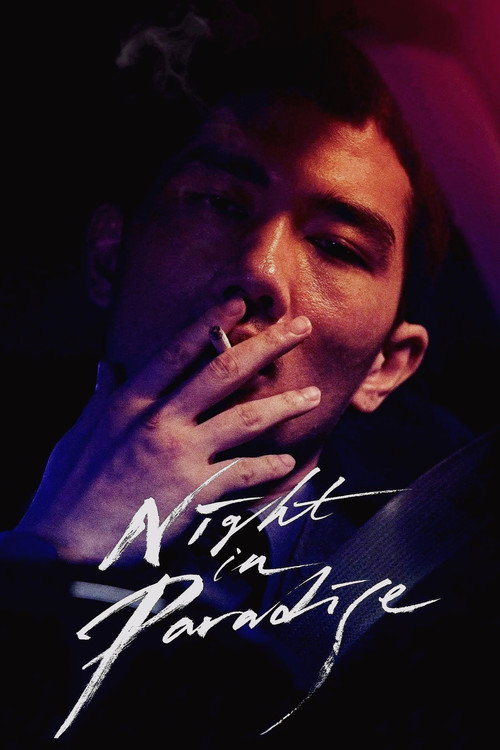
Night in Paradise
A rain-drenched neo-noir tragedy of quiet melancholy and violent bloodletting, where two doomed souls find fleeting tenderness against the bleak, sapphire-blue coastline of an indifferent paradise.
Night in Paradise
Night in Paradise

낙원의 밤

"No Safe Haven."

03 September 2020 South Korea 131 min 6.9 (311)

Director: Park Hoon-jung

Cast: Um Tae-goo, Jeon Yeo-been, Cha Seung-won, Lee Ki-young, Park Ho-san

Crime Action Thriller Fatalism & Inevitability of Death Deconstruction of Loyalty and Gangland Betrayal Shared Grief, Solitude, and Human Empathy The Illusion of "Paradise" vs. Brutal Reality The Futility of Revenge

Night in Paradise — Ending Explained

⚠️ Spoiler Analysis

The narrative unfolds through several major twists and a violent climax:

  • The Deception: Tae-gu carried out the sauna assassination of Chairman Doh under the belief that Bukseong killed his sister and niece. However, it is revealed that his own boss, Yang Do-soo, orchestrated the hit on Tae-gu's family to manipulate him into eliminating Doh.
  • The Betrayal: When Bukseong retaliates under Executive Director Ma, Boss Yang strikes a coward's bargain with Ma and police contacts, agreeing to hand over Tae-gu on Jeju Island in exchange for peace.
  • The Warehouse Torture: Tae-gu is cornered and brutally beaten. Director Ma allows Tae-gu to know that Boss Yang betrayed him. Tae-gu is executed after bargaining to spare Jae-yeon's life.
  • The Climax & Beach Ending: Jae-yeon discovers Tae-gu's fate. She tracks Boss Yang, Director Ma, and their gang members to a seafood restaurant and executes every single gangster in a calculated, close-quarters gun battle. Afterward, Jae-yeon walks to the tranquil Jeju beach, puts her gun to her temple, and takes her own life on her own terms.

Alternative Interpretations

The ending and Jae-yeon's climactic suicide can be interpreted through two distinct lenses:

  • Reclaiming Autonomy: Jae-yeon's final act on the beach is viewed as an assertion of free will. Having settled Tae-gu's score and terminated the corrupt gangsters, she refuses to let her terminal disease or the legal system dictate how her life ends.
  • Nihilistic Bleakness: A commentary on the complete breakdown of moral order. Violence leaves no survivors, no winners, and no cathartic future; the cycle of retribution simply consumes everyone involved.

Explore More About This Movie

Dive deeper into specific aspects of the movie with our detailed analysis pages

Similar Movies