Skip to content
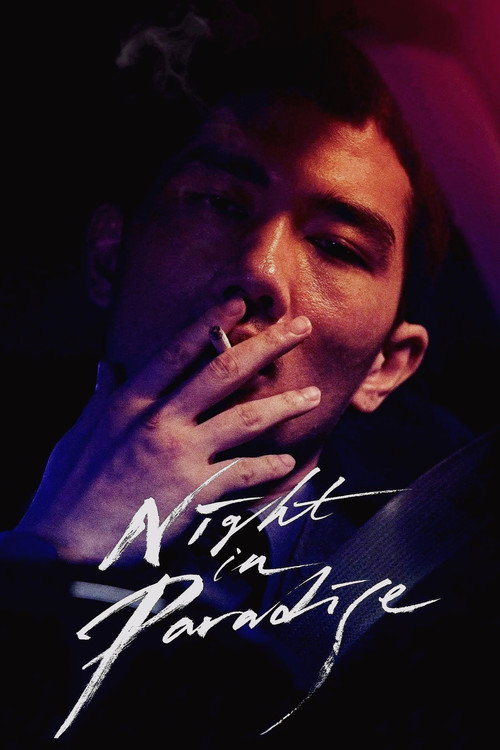
Night in Paradise
A rain-drenched neo-noir tragedy of quiet melancholy and violent bloodletting, where two doomed souls find fleeting tenderness against the bleak, sapphire-blue coastline of an indifferent paradise.
Night in Paradise

Night in Paradise

낙원의 밤

"No Safe Haven."

03 September 2020 South Korea 131 min 6.9 (311)

Director: Park Hoon-jung

Cast: Um Tae-goo, Jeon Yeo-been, Cha Seung-won, Lee Ki-young, Park Ho-san

Crime Action Thriller Fatalism & Inevitability of Death Deconstruction of Loyalty and Gangland Betrayal Shared Grief, Solitude, and Human Empathy The Illusion of "Paradise" vs. Brutal Reality The Futility of Revenge

Overview

Night in Paradise is a 2020 South Korean neo-noir crime drama written and directed by Park Hoon-jung. The story centers on Park Tae-gu, a disciplined and high-ranking mob enforcer operating in Seoul. When a tragic automotive crash claims the lives of his beloved ailing sister and young nephew—an incident suspected to be an ambush orchestrated by the rival Bukseong syndicate—Tae-gu launches a brutal retaliatory strike against the rival gang's leader, Chairman Doh.

To survive the ensuing gang war and evade immediate retaliation from Bukseong’s ruthless Executive Director Ma, Tae-gu's boss, Yang Do-soo, arranges for him to lay low on Jeju Island before boarding a ship to Vladivostok, Russia.

Upon arriving on the idyllic yet desolate island, Tae-gu stays at the hideout of Kuto, a former mob-affiliated arms dealer, and meets Kuto’s niece, Jae-yeon. Jae-yeon is a sharp-tongued young woman carrying profound past trauma and living with a terminal illness with only days left to live. As the syndicate's web of corruption, deceit, and hunting parties tightens around Jeju, Tae-gu and Jae-yeon form an unlikely, deeply resonant bond grounded in mutual sorrow and inevitable mortality.

Core Meaning

Director Park Hoon-jung juxtaposes the ruthless, unglamorous treachery of the criminal underworld with the fragility of human connection. The film illustrates that the romanticized criminal codes of brotherhood and loyalty are hollow illusions easily discarded for self-preservation and political convenience.

Through the grim juxtaposition of a serene island resort ("paradise") and visceral, nihilistic carnage, Park communicates that true peace is unobtainable through vengeance. Instead, the film finds genuine grace not in violent triumph, but in the fleeting, empathetic moments shared between marginalized individuals facing their own inescapable demise.

Thematic DNA

Fatalism & Inevitability of Death 30%
Deconstruction of Loyalty and Gangland Betrayal 25%
Shared Grief, Solitude, and Human Empathy 20%
The Illusion of "Paradise" vs. Brutal Reality 15%
The Futility of Revenge 10%

Fatalism & Inevitability of Death

Both protagonists are marked by death from the opening act—Tae-gu by the death warrant placed on his head, and Jae-yeon by a terminal diagnosis. The film explores how individuals choose to live their remaining hours when death is a guaranteed certainty.

Deconstruction of Loyalty and Gangland Betrayal

Traditional noir concepts of loyalty to one's crime family are subverted. Boss Yang readily trades Tae-gu's life to save his own skin, revealing that organizational hierarchy feeds entirely on the expendability of its soldiers.

Shared Grief, Solitude, and Human Empathy

Tae-gu and Jae-yeon find solace not through romantic escapism, but through mutual acknowledgment of profound grief, isolation, and loss.

The Illusion of "Paradise" vs. Brutal Reality

Jeju Island is conventionally perceived as an idyllic honeymoon and vacation destination, yet within the narrative, it functions as a melancholic purgatory and killing field.

The Futility of Revenge

Retaliatory strikes yield no redemption; every act of vengeance only accelerates the characters' tragic downfall.

Character Analysis

Park Tae-gu

Um Tae-goo

Archetype: Tragic Antihero / Doomed Hitman Key Trait: Stoic, deeply loyal, gravelly-voiced

Motivation

Avenge his family and survive.

Character Arc

Moves from a hardened, loyal enforcer seeking vengeance to a weary man finding peace in protecting Jae-yeon.

Kim Jae-yeon

Jeon Yeo-been

Archetype: Nihilistic Subversion of the "Damsel" Key Trait: Lethal aim, sharp-tongued, fearless

Motivation

Live out her remaining days on her terms.

Character Arc

Shifts from cynical detachment to seizing ultimate agency and settling scores on her own terms.

All 5 characters and cast

Symbols & Motifs

Mulhoe (Spicy Raw Fish Soup)

Meaning:

Represents raw, unpretentious humanity amidst impending doom and evokes fond childhood recollections.

Context:

Serves as the primary vehicle for emotional bonding and shared memories between Tae-gu and Jae-yeon.

Jeju Island / The Blue Sea

Meaning:

Symbolizes an ironic purgatory and emotional isolation.

Context:

The tranquil, oceanic vistas and deep blue skies directly contrast with the dark, blood-spattered fates of the characters.

Target Practice / Jae-yeon’s Marksmanship

Meaning:

Represents her desperate grasp for agency in a life stripped of autonomy.

Context:

Jae-yeon shooting at bottles and targets, foreshadowing her role in the final climax.

Cigarettes

Meaning:

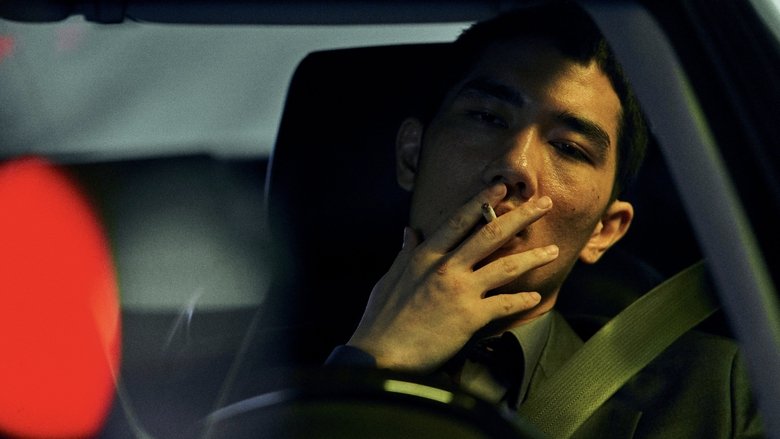
Illustrates quiet camaraderie, nervous contemplation, and counting down borrowed time.

Context:

Shared smokes between Tae-gu and Jae-yeon during moments of quiet reflection.

The Bathhouse / Sauna

Meaning:

Strips the gangster archetype bare, highlighting physical vulnerability and brutal butchery.

Context:

The opening assassination scene in a sterile, misty public bathhouse where Tae-gu ambushes Chairman Doh.

Memorable Quotes

너 괜찮냐? (Neo gwaenchanhnya?)
— Park Tae-gu / Kim Jae-yeon

Context

Recurs between Tae-gu and Jae-yeon throughout the film during intimate moments of connection.

Meaning

A simple phrase that transforms from casual small talk into a profound declaration of shared empathy between two dying outcasts.

제주도까지 와서 무슨 물회 타령이야. (Jejudokkaji waseo museun mulhoe taryeong-iya.)
— Kim Jae-yeon

Context

Spoken by Jae-yeon to Tae-gu as they navigate their initial strained interactions on Jeju Island.

Meaning

Highlights their awkward dynamic and the unexpected role the chilled seafood dish plays in lowering their emotional walls.

All 3 quotes

Philosophical Questions

How should one live when the date of death is already written?

Both Tae-gu and Jae-yeon are condemned to die soon, challenging the viewer to consider what choices hold value when time has essentially run out.

Is honor attainable within inherently corrupt systems?

Explored through Director Ma's adherence to gangster "manners" versus Boss Yang's shameless deceit.

Does vengeance ever provide true closure?

While Jae-yeon successfully avenges both Tae-gu and her family, it does not heal her trauma or save any lives; it merely punctuates the end of her existence.

Alternative Interpretations

The ending and Jae-yeon's climactic suicide can be interpreted through two distinct lenses:

Full ending explanation

Cultural Impact

Night in Paradise impacts and draws upon several cultural elements:

  • Korean Neo-Noir Tradition: Following the legacy of A Bittersweet Life (2005) and New World (2013), the film fits firmly into the South Korean gangster canon while deliberately pivoting towards lyrical emotionalism.
  • The Irony of Jeju Island in Media: In Korean pop culture, Jeju is widely romanticized through popular folk songs and travel variety shows as an escape and healing sanctuary. Park Hoon-jung deliberately strips Jeju of its sunny tourist luster, presenting it as an inescapable cage.
  • Critical Reception: The film was praised at Venice and internationally for Kim Young-ho’s cinematography, Mowg’s score, and the lead performances (particularly Jeon Yeo-been and Cha Seung-won).

Audience Reception

Aggregated reception highlights strong praise along with specific criticisms:

  • What was Praised: Exceptional performances by Um Tae-goo, Jeon Yeo-been, and Cha Seung-won; breathtaking, melancholic cinematography capturing Jeju Island's scenery; and the gripping, unsparing third-act climax led by Jeon Yeo-been.
  • Main Points of Criticism: Deliberate, slow-burn pacing during the middle act on Jeju; reliance on familiar Korean gangster tropes and revenge formulas; and a high level of graphic violence with a bleak tone.
  • Overall Verdict: A stylish, somber, and emotionally resonant entry in modern Korean noir that subverts genre expectations through its poignant character focus.

Interesting Facts

  • Night in Paradise was the only South Korean feature film officially selected for the 77th Venice International Film Festival (2020), where it screened in the Out of Competition section.
  • Although intended for a worldwide theatrical rollout by Next Entertainment World (NEW), the COVID-19 pandemic led to the distribution rights being sold to Netflix, releasing globally on April 9, 2021.
  • Director Park Hoon-jung specifically wrote and tailored the role of Tae-gu around Um Tae-goo's distinctive, gravelly baritone voice and intense physical presence.
  • The film was predominantly shot on location across Jeju Island during off-peak seasons, deliberately utilizing overcast skies and coastal wind to cultivate an atmosphere of chilly desolation.
  • Jeon Yeo-been underwent rigorous tactical shooting training for her firearm sequences to ensure her handling of weapons appeared authentic and natural on screen.
  • The melancholic, classical-infused orchestral score was composed by celebrated South Korean composer Mowg (I Saw the Devil, Burning).

Easter Eggs

Nod to New World (2013)

Park Hoon-jung includes thematic echoes of his seminal hit New World, notably through tense restaurant confrontations, backroom political agreements, and mob betrayals.

Subversion of the Gun Fu / Femme Fatale Trope

Jae-yeon's climactic restaurant shootout pays stylistic homage to classic Hong Kong heroic bloodshed (John Woo, Johnnie To) and Kitano Takeshi noirs (such as Sonatine), but grounds the violence in visceral, trembling realism rather than stylized invulnerability.

Frequently Asked Questions

Explore More About This Movie

Dive deeper into specific aspects of the movie with our detailed analysis pages

Comments (0)

Leave a comment

No comments yet. Be the first to share your thoughts!

Similar Movies