
Skip to content
Outcome
A melancholic satirical noir framing a faded icon's desperate redemption tour as an actor rehearsing remorse before a mirror that reflects only his own vanity.
Outcome

Outcome

06 April 2026 United States of America 84 min 5.4 (248)

Director: Jonah Hill

Cast: Keanu Reeves, Jonah Hill, Cameron Diaz, Matt Bomer, Susan Lucci

Drama Comedy The Commodification of Contrition and Public Apologies Ego, Narcissism, and Celebrity Insularity Addiction, Recovery, and Relapse into Self-Deceit Separating the Art from the Artist
Budget: $80,000,000

Overview

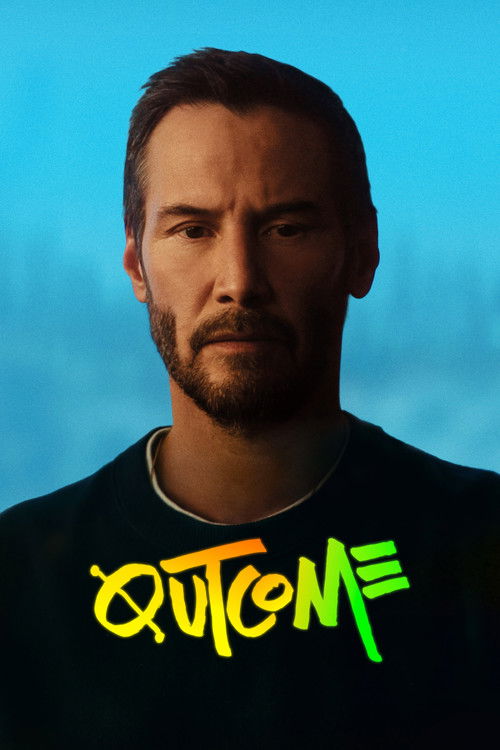
Outcome follows Reef Hawk (Keanu Reeves), a fifty-six-year-old, two-time Academy Award-winning action star and longtime public darling. After a secretive five-year hiatus during which he quietly completed rehabilitation for severe drug and heroin addiction, Reef prepares to stage a major Hollywood comeback. However, his carefully curated public image is abruptly shattered when he receives an extortion threat: an anonymous blackmailer demands $15 million, threatening to leak a career-destroying video from his past.

At the urging of his cynical crisis PR lawyer, Ira Slitz (Jonah Hill), Reef refuses to immediately pay the ransom. Instead, he devises a damage-control strategy alongside his childhood inner circle and enablers, Kyle (Cameron Diaz) and Xander (Matt Bomer). Since Reef does not know what is on the tape—or even who holds a grudge against him—he compiles an extensive list of former colleagues, friends, and family members he has mistreated, abandoned, or alienated over four decades in show business.

Reef embarks on an odyssey of apologies across Los Angeles, confronting estranged figures from his history in hopes of uncovering the extortionist before the footage goes public. What begins as a transactional exercise in reputation preservation gradually devolves into an uncomfortable reckoning with Reef’s ingrained narcissism, the artificiality of celebrity contrition, and the collateral damage left in the wake of fame.


Core Meaning

Co-written and directed by Jonah Hill, Outcome explores the performative nature of accountability in the modern media landscape. Hill examines whether an apology born out of panic rather than genuine remorse can yield authentic moral growth. By contrasting the high-stakes panic of "cancel culture" with the hollow machinery of PR crisis management, the film questions the modern obsession with public perception versus private integrity. Its central thesis suggests that true accountability cannot be achieved as a brand management campaign; redemption requires stripping away ego and sitting with the unglamorous consequences of one's misdeeds rather than seeking immediate absolution.

Thematic DNA

The Commodification of Contrition and Public Apologies 30%
Ego, Narcissism, and Celebrity Insularity 25%
Addiction, Recovery, and Relapse into Self-Deceit 25%
Separating the Art from the Artist 20%

The Commodification of Contrition and Public Apologies

Reef's apology tour is initially framed not out of conscience, but as a preemptive PR maneuver to neutralize an anonymous extortionist. The film critiques modern Hollywood’s transactional approach to remorse, where apologies serve as corporate cleanup rather than moral transformation.

Ego, Narcissism, and Celebrity Insularity

Despite being viewed as "the nicest guy in Hollywood," Reef is pathologically disconnected from how his self-absorption impacts those around him. The narrative deconstructs the protective bubble erected by agents, sycophants, and crisis handlers that shields powerful men from the human costs of their behavior.

Addiction, Recovery, and Relapse into Self-Deceit

While Reef has achieved chemical sobriety from heroin and alcohol, he remains addicted to external validation and universal adoration. His journey demonstrates that physical recovery is incomplete without confronting emotional sobriety and dismantling lingering denial.

Separating the Art from the Artist

Through Reef’s encounters with peers, fans, and legal representatives, the film interrogates whether public goodwill toward beloved screen figures blinds culture to unethical behavior, and where cultural consumers draw the line between creative output and personal transgressions.

Character Analysis

Reef Hawk

Keanu Reeves

Archetype: The Fallen Idol / Reluctant Penitent Key Trait: Inwardly gentle yet pathologically oblivious to his own selfishness

Motivation

To locate the blackmailer and preserve his standing as Hollywood’s most beloved figure.

Character Arc

Transitions from transactional damage control to a hollow, sobering realization of his personal deficits.

Ira Slitz

Jonah Hill

Archetype: The Cynical Fixer / Shadow Mentor Key Trait: Hyper-pragmatic and aggressively self-serving

Motivation

To manage Reef’s image, neutralize threats, and safeguard high-dollar career assets.

Character Arc

Operates as an unapologetic engine of modern Hollywood transactionalism, prioritizing PR victory over genuine truth.

All 4 characters and cast

Symbols & Motifs

The Resurfaced Video / The Blackmail Tape

Meaning:

Serves as the ultimate Hitchcockian MacGuffin and a symbol of modern dread; it embodies suppressed past sins and the terror of exposure in an era of digital permanency.

Context:

Used as the inciting incident and recurring extortion threat driving Reef Hawk's desperate apology tour across Los Angeles.

The Kanye West Portrait

Meaning:

Symbolizes Hollywood’s cynical view of survival and reinvention—celebrating public defiance and bulletproof marketability rather than actual remorse.

Context:

Hanging prominently in the office of crisis PR lawyer Ira Slitz and cited in dialogue as the premier modern avatar of surviving repeated public cancellation.

The "Apology List"

Meaning:

Becomes a perverted legal ledger where human relationships and past abuses are reduced to checklist items to be crossed off, mirroring Step 8 and Step 9 of twelve-step recovery programs.

Context:

Compiled by Reef and his enablers as a roadmap to track down former contacts and uncover the extortionist.

The Johnny Carson Era / Child Star Roots

Meaning:

A motif of lifelong institutionalization in entertainment, showing a man groomed to perform for love from early childhood.

Context:

Recurred throughout the narrative through Reef's origins as a child entertainer on Johnny Carson-era television.

Memorable Quotes

How do I put this the right way? You're not a good person.
— Unknown

Context

Delivered bluntly to Reef during his efforts to contextualize his reputation.

Meaning

Breaks Reef's illusion that he is universally revered and confronts him directly with his real social footprint.

Can I ask you something, Reef? ... What are you sorry for?
— Richie "Red" Rodriguez

Context

Spoken to Reef Hawk during one of his staged apology visits.

Meaning

Exposes Reef’s lack of awareness regarding the specific pain he inflicted, unmasking the performative nature of his contrition.

All 3 quotes

Philosophical Questions

Can Contrition Be Authentic When Motivated by Self-Preservation?

The film questions whether repentance driven by extortion and fear of social ruin can spark real moral reckoning.

Who Owns the Boundaries of Forgiveness?

By showing varied reactions from Reef's victims—some indifferent, some furious, some resigned—the narrative explores whether a victim owes closure to a wrongdoer seeking personal peace.

Is Public Image an Inherent Erasure of Truth?

The film probes the dichotomy between celebrity iconography and private reality, testing whether modern media literacy can ever separate the persona on screen from the human behind it.

Alternative Interpretations

The Sincere Confessional Reading: Some viewers interpret the film as Hill’s sincere, self-deprecating confession about the limits of therapy speak. In this reading, Reef’s confusion and moral clunkiness reflect how wealth and industry deference irrevocably distort personal empathy, making the clumsy apology tour an earnest look at emotional stuntedness.

Full ending explanation

Cultural Impact

Released on Apple TV+ on April 10, 2026, Outcome arrived during heightened public fatigue surrounding high-profile celebrity apologies, viral social media backlashes, and PR redemption tours. The film was widely discussed as Hill’s direct artistic response to his own public controversies and media scrutiny. Critics framed the project within the mini-genre of Hollywood self-satire (drawing comparisons to The Player and modern streaming dark comedies).

While the film quickly climbed to #1 on Apple TV+ streaming charts in multiple territories due to Reeves' star power, critical reception was overwhelmingly negative (aggregating 25–26% on Rotten Tomatoes and mid-30s on Metacritic), muting its long-term critical standing while establishing it as a polarizing curio in Reeves' and Hill's respective filmographies.

Audience Reception

Outcome was met with generally negative reviews from critics and polarized, lukewarm responses from audiences, scoring between 25%–26% on Rotten Tomatoes and 34–37 on Metacritic.

Keanu Reeves’ understated, resonant physical performance was frequently highlighted, with critics praising his quiet expressive work over loud dialogue. Individual scenes—most notably Martin Scorsese’s poignant appearance as an aging agent and Susan Lucci’s razor-sharp sequence as Reef’s mother—were singled out for sharp writing.

However, reviewers faulted the film for tonal whiplash, shifting awkwardly between broad, cynical industry satire and tender dramatic character study. Many critics found the central thematic treatment of cancel culture and accountability shallow, patronizing, and self-indulgent, regarding it as an intriguing but tonally disjointed misfire that squanders a stellar ensemble cast on a rushed, superficial thesis.

Interesting Facts

  • Outcome marks Jonah Hill's second narrative feature film as director, following his 2018 coming-of-age debut Mid90s and his 2022 mental health documentary Stutz.
  • Hill co-wrote the script with screenwriting partner Ezra Woods.
  • Produced under Jonah Hill’s Strong Baby Productions banner in partnership with Apple Studios, with distribution handled worldwide by Apple TV+.
  • The film was shot by Belgian cinematographer Benoît Debie and features an original score composed by Jon Brion.
  • Despite its sprawling ensemble and episodic structure across Los Angeles, the final cut is a brisk 84 minutes.
  • The production secured Cameron Diaz during her selective return to feature filmmaking after years of retirement from acting.
  • Martin Scorsese's appearance in the cast stemmed from his working relationship with Hill, who starred in The Wolf of Wall Street and collaborated on an Apple-backed Grateful Dead project.

Easter Eggs

Martin Scorsese Cameo

Martin Scorsese appears in a dramatic supporting role as a washed-up, elderly talent manager from Reef's past, lamenting how discarded industry veterans are abandoned by successful clients.

Drew Barrymore as Herself

Drew Barrymore makes a meta cameo appearance portraying herself, reflecting on child stardom and long-term Hollywood survival alongside Reeves' character.

Kanye West Office Decor

Ira Slitz’s law office features prominent framed iconography of Kanye West, cited in dialogue as the premier modern avatar of surviving repeated public cancellation.

Hill’s Oscar Self-Referencing

A plot point involves Reef insisting that awards presenters introduce him specifically as a "two-time Oscar nominee," echoing Jonah Hill’s real-world history as a two-time Academy Award-nominated actor.

Ensemble Cameo Landscape

Prominent cameos and character bits are filled by figures across the American stand-up comedy and television circuit, including David Spade, Susan Lucci, Laverne Cox, Roy Wood Jr., and Atsuko Okatsuka.

Frequently Asked Questions

Explore More About This Movie

Dive deeper into specific aspects of the movie with our detailed analysis pages

Comments (0)

Leave a comment

No comments yet. Be the first to share your thoughts!

Similar Movies