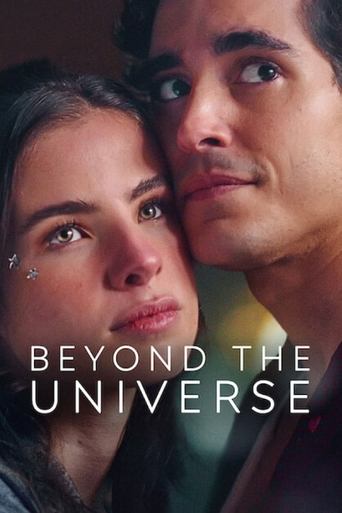

Purple Hearts
Overview
"Purple Hearts" follows Cassie Salazar, a sharp-witted, liberal-minded aspiring singer-songwriter burdened by the immense cost of insulin for her Type 1 diabetes. Across the aisle is Luke Morrow, a troubled yet disciplined Marine preparing for deployment, who is desperate to pay off a significant debt from his past. Despite their clashing worldviews and immediate dislike for one another, they enter into a fraudulent marriage solely for the military benefits: Cassie gets access to comprehensive healthcare, and Luke receives a higher pay grade to clear his debt.
What begins as a marriage of convenience, governed by rules and feigned affection for the sake of appearances, is complicated when Luke is seriously injured in Iraq and sent home. Forced to live together and maintain their charade under the watchful eyes of Luke's suspicious father and the military, the line between pretense and reality begins to blur. Through shared vulnerability, late-night video calls, and the music Cassie writes inspired by their journey, an unexpected and profound love begins to blossom, forcing them to confront what their sham marriage has become.

Core Meaning
The core meaning of "Purple Hearts" revolves around the idea that empathy and love can transcend deep-seated ideological divides. Director Elizabeth Allen Rosenbaum and star Sofia Carson have stated the film's intention was to portray two individuals, a "red heart" and a "blue heart," who are initially defined by their opposing political views but learn to see the humanity in each other. The film suggests that shared struggle and personal sacrifice can forge a connection stronger than political rhetoric. It poses that by looking past labels and engaging on a human level, people can find common ground and even love, creating a metaphorical "purple heart." The narrative also serves as a poignant critique of a failing healthcare system, where a person is forced into a desperate, illegal act simply to afford life-saving medication.
Thematic DNA
Bridging Political Divides
The film's central conflict is the ideological chasm between Cassie, a liberal Latina, and Luke, a conservative Marine. Their initial interactions are filled with friction and judgments based on their political stereotypes. The story explores whether their manufactured love can become real despite their differences on everything from the military to social justice. The director's stated goal was to show these flawed, extreme characters learning to moderate their views and find common ground through empathy and shared experience. Their journey from red and blue to purple is the film's primary emotional and thematic arc.
Critique of the U.S. Healthcare System
The entire premise is driven by Cassie's desperation. As a Type 1 diabetic working multiple gig-economy jobs, she cannot afford the exorbitant cost of her insulin. Her decision to commit marriage fraud is presented not as a greedy choice, but as a last resort for survival. The film shines a light on the real-world struggles of millions of Americans who are uninsured or underinsured and must make impossible choices to manage chronic illnesses. This theme acts as the catalyst for the entire plot, grounding the romance in a harsh socio-economic reality.
Sacrifice and Redemption
Both characters are driven by a need to atone for past mistakes and are defined by the sacrifices they make. Luke enlists in the Marines to redeem himself in the eyes of his father after a period of drug addiction and debt. His ultimate sacrifice is pleading guilty to the fraud charges alone to protect Cassie, accepting a prison sentence and a bad conduct discharge. Cassie, in turn, sacrifices her cynical view of love and commitment, learning to be vulnerable and support Luke during his difficult recovery. Their sacrifices for each other are what ultimately solidify their love as real.
Love vs. Pragmatism
The film sets up a direct conflict between the romantic ideal of marriage and a purely pragmatic arrangement. Cassie is deeply cynical about marriage, viewing it as a mere legal contract, while Luke initially holds a more traditional view. Their relationship begins as the ultimate pragmatic transaction. The narrative then charts their evolution from a business partnership to a genuine emotional and romantic bond, questioning whether a relationship founded on practicality can evolve into true love when faced with real-life trials and emotional intimacy.
Character Analysis
Cassie Salazar
Sofia Carson
Motivation
Her primary motivation is survival. Diagnosed with Type 1 diabetes six months prior, she is unable to afford her life-saving insulin and is desperate for health insurance, which drives her to propose the fraudulent marriage. This is coupled with her fierce ambition to succeed as a singer-songwriter on her own terms.
Character Arc
Cassie begins as a cynical, fiercely independent, and outspoken liberal who is deeply distrustful of the system and institutions like the military. Her pragmatism leads her into the marriage fraud. Through her forced connection with Luke, she is challenged to look beyond her political preconceptions. She develops empathy for his struggles and the sacrifices of military families. Her arc is one of opening up to vulnerability, falling in love against her better judgment, and ultimately trading her cynicism for a belief in a love that can bridge any divide.
Luke Morrow
Nicholas Galitzine
Motivation
Luke's main motivation is to pay off a $15,000 debt to his former drug dealer, Johnno, and to prove to his estranged father that he has become a better man. The extra pay from being a married Marine is the only way he sees to clear his debt and escape his past.
Character Arc
Luke starts as a stoic, conservative Marine with a troubled past he's trying to escape. He joined the service to find structure and earn back the respect of his father after a battle with addiction left him in debt to a dangerous drug dealer. His initial motivations for the marriage are purely financial. Through his relationship with Cassie and his traumatic experiences in Iraq, he learns to be more emotionally open and communicative. His arc is about redemption, learning to be vulnerable, and discovering a new definition of honor—not just in military service, but in sacrificing himself for the person he loves.
Frankie
Chosen Jacobs
Motivation
Frankie's motivation is to serve his country and to be a loyal friend to both Cassie and Luke. He looks out for Cassie and is a supportive comrade to Luke. He is the good-natured link that brings the two protagonists into each other's orbits.
Character Arc
Frankie serves as the catalyst for the central relationship. He is Cassie's kindhearted childhood friend and Luke's bunkmate in the Marines. He represents a middle ground between Cassie's and Luke's worlds. When Cassie first proposes the marriage scheme to him, he turns it down because he is in a real relationship, highlighting his more traditional values. His tragic death in Iraq deeply affects both Cassie and Luke, serving as a sobering reminder of the stakes and indirectly pushing them closer together.
Symbols & Motifs
The 'Purple Heart'
The title symbolizes the merging of two opposing sides. It represents the union of Cassie's 'blue' (liberal) heart and Luke's 'red' (conservative) heart to create something new: purple. This central metaphor argues for moderation and finding love across political divides. It also dually refers to the Purple Heart medal awarded to soldiers wounded in combat, which Luke eventually receives, symbolizing his sacrifice and the real-world consequences of his service.
The entire film is structured around this concept, from their initial red/blue arguments to their eventual loving union. Director Elizabeth Allen Rosenbaum explicitly stated this was the core theme. The symbol is made literal when Luke is awarded the actual medal, connecting the romantic metaphor to a tangible symbol of military sacrifice.
Cassie's Music
Cassie's songs function as the film's emotional barometer, tracking the evolution of her feelings for Luke. Her songwriting is her primary mode of emotional expression. Initially, her music is defiant and political. As her relationship with Luke develops, her songs become more vulnerable and romantic, reflecting her changing heart.
Key songs mark pivotal moments. "Come Back Home" is written for Luke and his fellow Marines, showing her budding empathy. "I Hate the Way" captures her frustration and conflict as she realizes she's falling in love with him. Her final song, "I Didn't Know," performed at the Hollywood Bowl, is an open declaration of her love, written while awaiting his trial.
The Wedding Ring
The wedding ring begins as a simple prop, a necessary part of their fraudulent marriage. Over time, it transforms into a symbol of their real, evolving commitment. It represents the promise they made, which, despite its false origins, they both end up honoring in sickness and in health.
Initially, it's just an object they need for their deception. However, the act of wearing it signifies their bond. The most crucial moment is at the end, before Luke goes to the brig, when he gives Cassie his ring and tells her, "It's real now." She puts it on, signifying her promise to wait for him and the final transformation of their arrangement into a true marriage.
Memorable Quotes
We vowed to take care of each other. In sickness and in health. And we did that. [...] I think this is a real marriage.
— Cassie Salazar
Context:
Cassie says this to Luke at the military base right before he is taken to the brig to serve his six-month sentence. After performing a song inspired by him, she rushes to see him one last time to confess her true feelings.
Meaning:
This line is Cassie's ultimate realization and declaration of love. It signifies the complete transformation of their relationship, acknowledging that despite its fraudulent origins, their actions and care for one another have fulfilled the truest vows of marriage.
You take care of this for me, you hear me? Because it's real now.
— Luke Morrow
Context:
Luke says this to Cassie in response to her speech at the military base. He hands her his wedding ring before he is escorted away, entrusting her with the symbol of their now-genuine love.
Meaning:
This is Luke's reciprocation of Cassie's declaration of love. By giving her his ring and affirming the reality of their marriage, he solidifies their bond and commitment to a future together, even as they face his imprisonment.
You know you can let a guy help you and still be a feminist?
— Luke Morrow
Context:
This line is spoken early in the film during one of their initial interactions, as they are establishing the terms of their fake marriage and clashing over their different values.
Meaning:
This quote encapsulates the initial ideological friction between Luke and Cassie. It highlights his traditional perspective and his perception of her staunch independence, while also showing an early, clumsy attempt to connect with and understand her worldview.
My insurance doesn't cover the insulin that I need. To, like, live.
— Cassie Salazar
Context:
Cassie says this early in the film, explaining her dire situation and the immense financial and medical pressure she is under, which leads her to consider the marriage of convenience.
Meaning:
This quote bluntly states the core problem that drives the entire plot. It grounds the fantastical romance trope in the grim reality of the American healthcare crisis, making Cassie's desperate actions understandable and relatable for many viewers.
Philosophical Questions
Can love truly conquer fundamental ideological differences?
The film's central thesis is that love can bridge the gap between a staunch liberal and a conservative patriot. It explores this by putting Cassie and Luke in a situation of forced intimacy and mutual dependency. Their love grows from shared vulnerability, not political debate. The film asks the audience to consider if this emotional bond is enough to create a lasting union, or if their deeply ingrained, opposing worldviews are an insurmountable obstacle that the film conveniently brushes aside in its romantic conclusion.
What is the morality of a 'means to an end' action when the end is survival?
Cassie commits a federal crime (marriage fraud) not for greed, but to access life-saving healthcare. The film positions her actions as ethically complex but ultimately justifiable due to the failure of the system to provide for her basic needs. It raises questions about personal responsibility versus systemic failure. Is it morally wrong to break the law when the law is part of a system that is failing to protect you? The film largely sympathizes with Cassie, suggesting that her survival imperative outweighs the illegality of her actions.
What defines a 'real' marriage: a legal contract or emotional commitment?
The film deconstructs the concept of marriage. Cassie and Luke's union begins as a legal contract devoid of emotion, yet through their actions—caring for each other "in sickness and in health"—they fulfill the traditional vows more genuinely than many couples who marry for love. The film explores whether the performance of love and commitment can, in itself, create the reality of it. It culminates in Cassie's realization that their marriage, born of fraud, has become the "realest thing" in her life, suggesting that shared sacrifice and care are the true foundations of a marriage, regardless of its origins.
Alternative Interpretations
While the filmmakers intended "Purple Hearts" to be a story about bridging divides, a significant alternative interpretation views the film as a piece of military propaganda that ultimately validates a conservative worldview. Critics of this interpretation argue that the narrative structure forces the liberal character, Cassie, to do most of the compromising. Her initial anti-war and anti-establishment stances soften considerably, while Luke's core conservative values are never fundamentally challenged; instead, his personal flaws (addiction, anger) are what he overcomes. The romance is seen as a vehicle to make his worldview more palatable.
Furthermore, this interpretation suggests the film uses genuine social issues—like the broken healthcare system and economic hardship—as mere plot devices to create a scenario where dependence on the military institution becomes the only solution. The controversial scene with the racist toast is pointed to as a key moment where the film's attempt at balance fails; Luke's weak defense of his friend and his silencing of Cassie are seen not as a nuanced portrayal of a flawed character, but as an implicit endorsement of that culture. From this perspective, the "purple" heart isn't a balanced mix, but rather a blue heart that has been largely colored red.
Cultural Impact
"Purple Hearts" had a significant cultural impact upon its release, becoming a viral sensation and one of Netflix's most-watched films of 2022. Its popularity was driven by the classic enemies-to-lovers romance trope and the on-screen chemistry between leads Sofia Carson and Nicholas Galitzine. However, the film also sparked widespread controversy and debate. Many critics and viewers accused the film of being pro-military propaganda that sanitized the realities of war. A particular scene, where a Marine makes a toast to "hunting down some goddamn Arabs," was heavily criticized for being racist and xenophobic, with many feeling the film failed to adequately condemn the sentiment.
The film was also criticized for its perceived political narrative. Some viewers argued that it glorified a conservative viewpoint and that the liberal protagonist, Cassie, compromised her beliefs for love, thereby undermining her character's initial principles. In response, director Elizabeth Allen Rosenbaum and Sofia Carson defended the film, stating their intention was to depict two flawed characters from opposite extremes who learn empathy and become more moderate. Despite the backlash, the film was also praised by some audiences for its depiction of a character with Type 1 diabetes and for its message that love can overcome political differences, resonating with viewers who enjoyed its heartfelt romance.
Audience Reception
Audience reception for "Purple Hearts" was highly polarized, though it achieved massive viewership numbers on Netflix. A large segment of the audience embraced the film wholeheartedly, praising the powerful on-screen chemistry between Sofia Carson and Nicholas Galitzine and the compelling enemies-to-lovers romance. Many viewers found the love story deeply emotional and satisfying, and appreciated the original soundtrack. The film's portrayal of military families and the theme of love overcoming differences also resonated positively with many.
However, the film also faced significant criticism from audiences online. The primary points of contention were allegations of it being military propaganda, its handling of racism, and its political messaging. The scene containing an anti-Arab remark was widely condemned, and many felt the film didn't adequately challenge the racism on display. Others criticized the romance for feeling contrived and for having the liberal female protagonist seemingly abandon her principles. These viewers found the film's attempt to portray a political middle ground to be shallow and ultimately a validation of the conservative male lead's worldview.
Interesting Facts
- The film is based on the 2017 novel of the same name by Tess Wakefield.
- The story's premise was inspired by a real-life phenomenon of 'contract marriages' in the military, which producer Leslie Morgenstein first heard about in an NPR story.
- Sofia Carson, who plays Cassie, was also an executive producer and co-wrote and performed the original songs for the film's soundtrack alongside Grammy-nominated songwriter Justin Tranter.
- Carson lived with the script and her character for nearly four years before filming, which she said was crucial for authentically writing the songs from Cassie's perspective.
- Director Elizabeth Allen Rosenbaum and Sofia Carson had previously worked together on "Pretty Little Liars: The Perfectionists" and developed a strong partnership for this film.
- To ensure authenticity, the filmmakers worked with military advisor and former Marine James Dever. The Pentagon, however, did not approve the script.
- The film became a massive success for Netflix, accumulating over 102 million hours of viewing in its first full week, making it Netflix's most-watched film of 2022 at that time.
⚠️ Spoiler Analysis
Click to reveal detailed analysis with spoilers
Frequently Asked Questions
Explore More About This Movie
Dive deeper into specific aspects of the movie with our detailed analysis pages
Comments (0)
No comments yet. Be the first to share your thoughts!