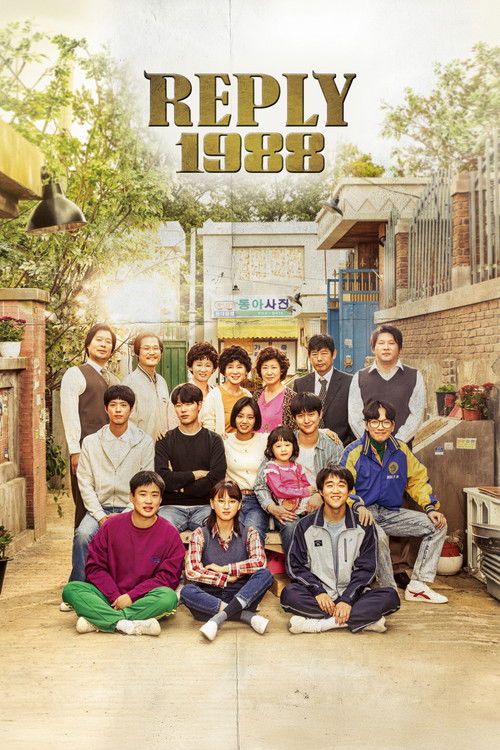
응답하라 1988
"The year was 1988, a time when it was chilly, but our hearts were fiery, a time when we didn't have much but people's hearts were warm."
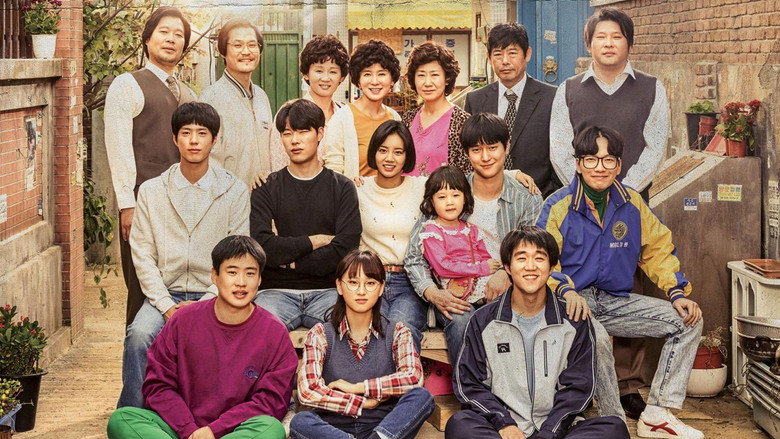
Cast: Lee Hye-ri, Ryu Jun-yeol, Park Bo-gum, Go Kyung-pyo, Lee Dong-hwi
Reply 1988 — Movie Quotes
Memorable Quotes
아빠도 태어날 때부터 아빠가 아니잖아. 아빠도 아빠가 처음이니까.
Context
Dong-il sits outside with Deok-sun on a street bench, buying her a separate birthday cake after she broke down in tears over her family always lumping her birthday with her older sister's in Episode 1.
Meaning
Humanizes parents and sets the tone for the series' exploration of imperfect, genuine family love.
신이 모든 곳에 있을 수 없어서 엄마를 만들었다고 한다.
Context
Narration in Episode 2, reflecting on how mothers discard their pride, endure humiliation, and withstand pain entirely to protect their children.
Meaning
Captures the core thematic tribute to maternal selflessness.
운명은 시시때때로 찾아오지 않는다. 운명은 선택이다... 타이밍은 우연이 아니라 수없는 간절함이 만들어낸 기적 같은 순간들이다.
Context
Jung-hwan arrives late to Deok-sun's concert after being held back by red traffic lights in Episode 18, only to find Taek already there. He realizes Taek gave up a major match to be with her while he hesitated.
Meaning
Encapsulates the romantic resolution: true outcome is defined by active courage rather than passive destiny.
시간은 늘 흐른다. 모든 것은 지나가고, 모든 것은 노화한다. 그것이 청춘이 아름다운 이유다.
Context
The final monologue as adult Deok-sun bids farewell to Ssangmun-dong in Episode 20, looking at the abandoned, crumbling alleyways.
Meaning
Serves as the ultimate philosophical thesis of the entire series regarding nostalgia and impermanence.
남이 날 좋아하는 것 말고, 네가 좋아하는 사람은 누구냐고.
Context
Dong-ryong talks with Deok-sun in Episode 14 when she feels down because she thinks nobody romantically prefers her.
Meaning
Prompts Deok-sun's internal shift from seeking passive external validation to taking ownership of her own heart.
Explore More About This Movie
Dive deeper into specific aspects of the movie with our detailed analysis pages