Skip to content
Rurouni Kenshin
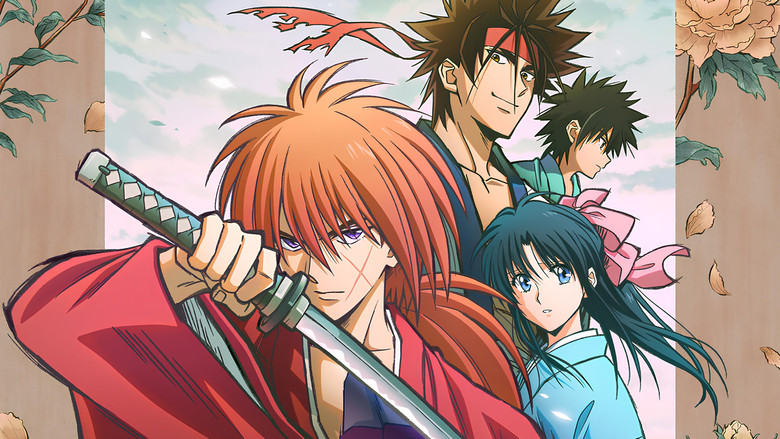
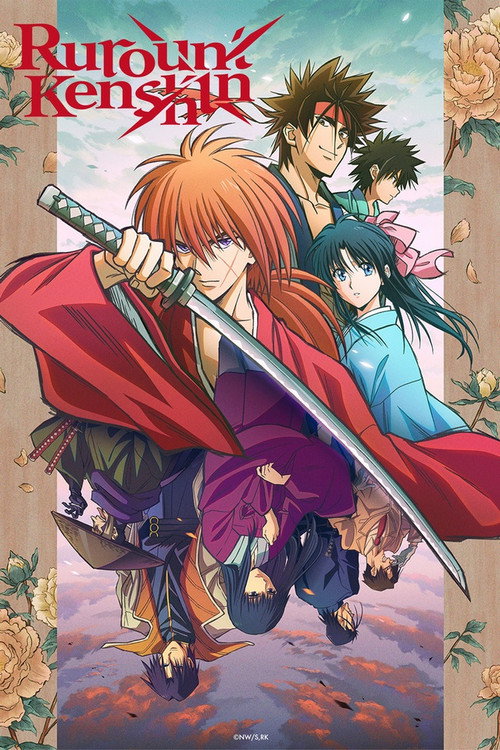
A melancholic yet fiery historical action drama where a repentant assassin's bloody past casts long shadows over a fragile dawn, symbolized by a gleaming reverse-blade cutting through twilight mist without drawing blood.
Rurouni Kenshin
Rurouni Kenshin

るろうに剣心 -明治剣客浪漫譚-

07 July 2023 — 21 March 2025 Japan 1 season 47 episode Returning Series 8.3 (148)

Cast: Soma Saito, Rie Takahashi, Taku Yashiro, Makoto Koichi, Saori Onishi

Animation Action & Adventure Atonement, Redemption, and the Value of Life The Cost of Societal Transformation Found Family and Human Connection Inherited Will, Ideology, and Competing Definitions of Justice

Rurouni Kenshin — Ending Explained

⚠️ Spoiler Analysis

The narrative arc features major shifts and revelations that culminate in the resolution of the Kyoto crisis:

  • The Saito Infiltration: Saito's confrontation reveals that the Meiji Government is teetering on the edge due to Makoto Shishio's insurrection in Kyoto, forcing Kenshin out of retirement following Okubo's assassination.
  • Aoshi's Fall to Darkness: Devastated by the death of his Oniwabanshu comrades, Aoshi Shinomori allies with Shishio solely for a rematch against Kenshin to bestow the title of the strongest upon his fallen comrades' graves.
  • Mastering the Ultimate Secret (Ougi): In Kyoto, Kenshin reunites with his master Hiko Seijuro XIII to master Amakakeru Ryu no Hirameki. He learns that to wield absolute speed and power, he must abandon his subconscious death wish and possess a fierce will to survive.
  • The Fall of Makoto Shishio: During the final battle, Kenshin, Saito, Sanosuke, and a redeemed Aoshi combine efforts against Shishio. Because Shishio's sweat glands were destroyed when he was burned alive, his body overheats beyond human limits during the extended duel, causing him to spontaneously combust and perish laughing in hellfire. Kenshin survives, fully reaffirming his choice to live and protect the new era with Kaoru and his companions.

Alternative Interpretations

The series offers several rich analytical perspectives:

  • Historical Allegory for Post-War Pacifism: Critics often interpret Kenshin's vow of non-killing and the reverse-blade sword as an allegory for modern Japan's post-WWII pacifist constitution—holding immense defensive power while refusing proactive aggression.
  • The Inevitability of Compromise: Saito and Shishio represent perspectives arguing that absolute pacifism is a parasitic ideal that can only survive because brutal realists do the necessary dirty work behind the scenes.
  • Trauma Processing and Rehabilitation: A psychological reading highlights Kenshin's journey as a portrayal of complex PTSD, where healing requires confronting repressed guilt rather than retreating into complete isolation.

Explore More About This Movie

Dive deeper into specific aspects of the movie with our detailed analysis pages

Similar Movies