Skip to content
SEAL Team
A gritty, tactical military drama steeped in visceral grief and unwavering devotion, where fractured souls navigate the deafening concussions of global battlefields while drowning in the silent, domestic shadows back home.
SEAL Team

SEAL Team

27 September 2017 — 06 October 2024 United States of America 7 season 112 episode Ended 8.0 (1,660)

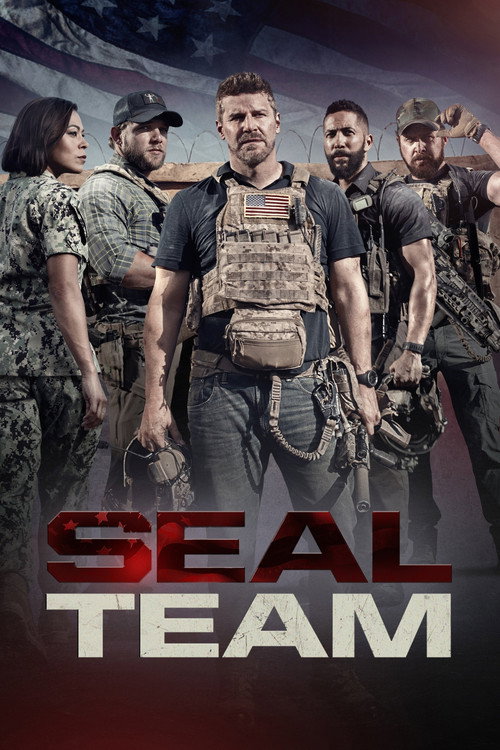
Cast: David Boreanaz, Neil Brown Jr., A.J. Buckley, Toni Trucks, Tyler Grey

Drama Action & Adventure War & Politics Invisible Wounds, TBI, and Moral Injury Brotherhood and the Double-Edged Sword of Operator Culture The Chasm Between Combat and Domestic Reality Systemic Bureaucracy vs. Operator Welfare Identity Crisis and Transitioning Out of the Brotherhood

Overview

SEAL Team follows Bravo Team, a tier-one elite unit within the United States Naval Special Warfare Development Group (DEVGRU). Led by Master Chief Jason Hayes, the team is perpetually dispatched to high-stakes, off-the-books counterterrorism and hostage rescue operations across hostile territories worldwide. While the early arcs focus on high-tempo tactical missions and the immediate interpersonal chemistry of the unit, the series gradually deepens into an unflinching exploration of what continuous deployment does to the human psyche, marriage, fatherhood, and physical health.

As the global geopolitical landscape shifts over seven seasons, Bravo Team transitions from conventional post-9/11 counterinsurgency deployments to ambiguous grey-zone operations. Simultaneously, the operators and support personnel confront the erosion of their bodies and minds, navigating traumatic brain injuries (TBI), post-traumatic stress, organizational politics, and the jarring friction of returning to civilian reality. The overarching narrative traces not just the combat victories of an elite unit, but the slow, collective fight of warriors striving to remain human and support one another beyond the battlefield.


Core Meaning

The overarching message of SEAL Team is that while war demands absolute sacrifice, the true battle for a warrior begins when the gunfire ceases. The creators deliver a poignant critique of how modern military culture historically valorized silence and toxic stoicism at the expense of veteran wellness. Across its seven seasons, the series demonstrates that brotherhood is not merely about pulling a trigger together under fire, but about bearing one another's invisible wounds, unmasking systemic neglect, and learning that a warrior's worth is not defined solely by their utility to the state.

Thematic DNA

Invisible Wounds, TBI, and Moral Injury 30%
Brotherhood and the Double-Edged Sword of Operator Culture 25%
The Chasm Between Combat and Domestic Reality 20%
Systemic Bureaucracy vs. Operator Welfare 15%
Identity Crisis and Transitioning Out of the Brotherhood 10%

Invisible Wounds, TBI, and Moral Injury

In early seasons, trauma is depicted through acute grief and classic combat flashbacks. By Seasons 3–5, this evolves into a medical and psychiatric study of blast-wave traumatic brain injuries (TBI) and cumulative sub-concussive blasts. In Seasons 6 and 7, moral injury takes center stage as Jason Hayes confronts the psychological toll of killing on behalf of the state.

Brotherhood and the Double-Edged Sword of Operator Culture

Brotherhood starts as Bravo's ultimate tactical superpower, establishing trust and cohesion. As seasons advance, the show reveals how that same fierce loyalty can foster toxic insularity, peer pressure to hide debilitating injuries, and an inability to connect with people outside the wire.

The Chasm Between Combat and Domestic Reality

Early seasons illustrate the immediate friction of missed birthdays and sudden deployments. Over time, this deepens into chronic emotional detachment, broken marriages, and the realization that the adrenalized clarity of combat makes mundane domestic peace feel unbearable and foreign.

Systemic Bureaucracy vs. Operator Welfare

While the initial run framed command structures as logistical allies, later seasons show top military brass viewing operators as expendable assets. The characters continually risk reprimand and court-martial to demand better medical protocols and veteran advocacy.

Identity Crisis and Transitioning Out of the Brotherhood

The series methodically asks who an operator is once they put down the rifle. Through retirements, traumatic injuries, amputations, and post-service initiatives, the show underscores how terrifying yet necessary it is to construct an identity outside of Bravo.

Character Analysis

Master Chief Jason Hayes

David Boreanaz

Archetype: The Flawed Leader / Troubled Hero Key Trait: Relentless warrior burdened by guilt

Motivation

Initially driven to protect his men and execute missions at all costs; evolves into fighting for the long-term survival, medical safety, and dignity of his brothers.

Character Arc

Jason begins as an invincible tactical genius who compartmentalizes extreme personal trauma. Over seven seasons, his emotional armor cracks under the weight of his ex-wife Alana's death, severe TBI, memory loss, and PTSD. By the finale, he evolves from viewing himself strictly as a killing machine into a vulnerable leader who publicly acknowledges his wounds and finds purpose beyond destruction.

Senior Chief Raymond "Ray" Perry

Neil Brown Jr.

Archetype: The Moral Anchor / Mentor Key Trait: Faith-driven, empathetic, pragmatic

Motivation

To maintain moral integrity amidst tactical violence and ensure a healthy transition into civilian life for himself and fellow veterans.

Character Arc

As Jason's second-in-command, Ray initially anchors Bravo through faith and family stability. After enduring brutal captivity and torture in Tunisia during Season 4, he battles severe post-traumatic stress and spiritual crisis before confronting his trauma, earning a Chief Warrant Officer commission, and launching veteran mental health initiatives.

All 5 characters and cast

Symbols & Motifs

Jason's Phone Contacts

Meaning:

A poignant symbol of survivor's guilt and memory, representing the enduring psychological burden carried by those who survive combat.

Context:

Jason Hayes keeps the contact cards of fallen teammates stored on his personal mobile phone, regularly scrolling through them late at night as a solemn ritual of guilt, memory, and grief.

The Bravo Patch & Call Signs

Meaning:

Represents ultimate belonging, purpose, and unit lethality at the cost of personal individuality; stripping it away signifies existential death and the loss of personal identity.

Context:

Operators navigate their entire professional existence through call signs (Bravo 1, Bravo 2, Bravo 6). Surrendering one's patch signifies the painful and disorienting return to an unscripted civilian life.

Breaching Shockwaves and Ringing Audio

Meaning:

Symbolizes acoustic trauma and cumulative cognitive erosion, transitioning from an emblem of tactical dominance into an acoustic manifestation of brain destruction.

Context:

Used during explosive breach set-pieces where high-pitched audio distortion and ringing frequencies visually and audibly communicate the accumulation of blast-induced traumatic brain injury.

Working Dogs (Cerberus and Pepper)

Meaning:

Serves as a living psychological mirror for the human operators, illustrating combat stress, hyper-vigilance, and the dire need for rehabilitation.

Context:

Cerberus exhibits combat fatigue and is eventually retired in Season 4, directly reflecting the operators' own repressed burnout and inability to acknowledge when they are battle-worn.

Clay's Veteran Center / Spenser House

Meaning:

Represents rebirth, legacy, mutual aid, and holistic healing outside of cold military institutional frameworks.

Context:

Established in the wake of Clay Spenser's passing as a dedicated physical sanctuary providing community care and support for wounded and transitioning veterans.

Memorable Quotes

War has the last word? No, it doesn't. We do.
— Jason Hayes

Context

Spoken in Season 7, Episode 10 ("The Last Word") as Jason reflects on decades of combat and chooses personal forgiveness and recovery.

Meaning

Serves as the emotional thesis of the entire series finale, rejecting the fatalistic notion that operators are permanently doomed by violence and affirming the power of healing and life.

I have a traumatic brain injury... and operating didn't make me this way; denying it did.
— Jason Hayes

Context

Delivered during his Navy Cross acceptance speech before high-ranking brass and teammates in Season 6, Episode 10 ("Fair Winds and Following Seas").

Meaning

A groundbreaking confession that shatters decades of military stigma surrounding head injuries and mental health, sparking solidarity across the ranks.

All 4 quotes

Episode Highlights

Tip of the Spear

S1E1

Bravo executes a dangerous hostage rescue in Liberia while establishing Jason's severe, unresolved survivor's guilt following the death of former teammate Nate Massey.

Significance:

Sets the foundational tone for the series by juxtaposing high-stakes tier-one tactical operations with severe internal emotional trauma.

Never Say Die

S2E22

Faced with administrative pressure and imminent disbandment, Bravo unites to execute a critical mission against all odds.

Significance:

Solidifies the unit's unbreakable cohesion and proves to military leadership that Bravo's unique brotherhood is indispensable.

Forever War

S4E2

Bravo concludes an exhausting campaign hunting terrorist leader Al-Hazred in Afghanistan, leading to K-9 Cerberus being wounded and retired.

Significance:

Marks the end of Bravo's conventional counterinsurgency deployments and begins a deeper transition into character-centric trauma exploration.

Nine Ten

S5E3

On the eve of a 9/11 memorial in New York City, flashbacks reveal where Jason, Ray, and Sonny were on September 10, 2001, and why they enlisted.

Significance:

Provides critical psychological backstory, grounding the characters' multi-decade service and personal motivations in historical context.

All Bravo Stations

S5E14

Bravo is ambushed and trapped under overwhelming insurgent RPG and machine-gun fire during a deployment in Mali, ending on a cliffhanger.

Significance:

Directly alters the trajectory of the series by inflicting the catastrophic injuries that lead to Clay Spenser's lower leg amputation.

Watch Your 6

S6E8

Clay successfully talks down and disarms a distressed, suicidal veteran outside a recruitment center, but is tragically shot dead by an arriving security guard.

Significance:

Serves as the series' most devastating turning point, shattering the team emotionally and inspiring major institutional and personal changes.

Fair Winds and Following Seas

S6E10

At his Navy Cross ceremony, Jason publicly confesses his TBI and command's culture of concealment; his teammates step up alongside him in unified defiance.

Significance:

Breaks the institutional wall of silence regarding operator health, transforming Bravo's personal battle into systemic advocacy.

The Last Word

S7E10

Bravo completes their final mission in Afghanistan as Jason forgives himself, Ray establishes a veteran center, and Sonny protects Davis's career.

Significance:

Delivers definitive emotional closure to the entire series, demonstrating that healing, accountability, and life are achievable after war.

Philosophical Questions

Can a weapon forge its own peace?

The narrative continuously explores whether individuals conditioned and trained to function as lethal instruments of state warfare can ever truly decompress and find tranquility within ordinary civilian society.

Where does duty to brothers end and duty to family begin?

Examined through the perpetual friction Bravo operators face when balancing the immediate, life-or-death demands of unit brotherhood against the emotional needs of spouses and children at home.

What is the true cost of invisible wounds?

Investigates the moral obligation of a society that deploys warriors into explosive environments, questioning whether the state bears the ethical duty to repair the cognitive and psychological damage inflicted on its service members.

Alternative Interpretations

The series can be analyzed through several distinct thematic frameworks:

Full ending explanation

Cultural Impact

Premiering in 2017 amid post-GWOT cultural fatigue, SEAL Team mirrored the modern military transition from massive troop deployments to deniable, grey-zone special operations. The series earned significant acclaim from veteran advocacy organizations for shedding light on blast-induced Traumatic Brain Injury (TBI), sub-concussive blast exposures, and veteran suicide. By dismantling the traditional culture of silent stoicism, the show helped propel mainstream conversations regarding veteran mental health and institutional medical reforms.

Audience Reception

During its initial broadcast run on CBS (Seasons 1–2), the series was received as a well-crafted, action-heavy procedural praised for tactical realism but occasionally critiqued for conventional broadcast formulas. With Seasons 3 through 5, critical and audience reception elevated considerably as the show shifted into an uncompromising medical and psychological exploration of TBI and operational trauma, a transition enhanced by its move to Paramount+. The final arcs (Seasons 6–7) prompted intense emotional engagement over Clay Spenser's shocking fate, ultimately earning high praise for concluding the series with earned, character-driven closure rather than nihilistic despair.

Interesting Facts

  • Over 70% of the production crew, stunt team, consulting producers, and background performers were real-life military veterans, including former SEALs, Army Rangers, and Special Forces personnel.
  • Tyler Grey, who portrays Trent Sawyer (Bravo 4), is a former Delta Force and Army Ranger operator whose visible right arm scars were sustained in a 2005 direct-action raid in Sadr City, Iraq.
  • The series premise was co-developed with executive producer Mark Owen (Matt Bissonnette), a former DEVGRU operator and author of No Easy Day.
  • Jim Caviezel was initially cast as Jason Hayes in March 2017 but departed prior to filming due to creative differences, enabling David Boreanaz to take the lead role.
  • The production prioritized practical stunt work—including authentic helicopter fast-roping, live room-clearing drills, and water insertions—over CGI and green screens.
  • After broadcasting four seasons and four episodes of Season 5 on CBS, the series permanently moved to Paramount+, permitting realistic language, darker themes, and uncensored combat.

Easter Eggs

Sonny's "Senses wine" dialogue in Season 2, Episode 4.

Directly references Senses Wines, the real-world boutique winery located in Sonoma County co-founded by cast member Max Thieriot (Clay Spenser).

Authentic DEVGRU Crye Precision gear and loadouts.

Operators wear genuine Crye Precision multicam uniforms and utilize exact weapon configurations matching real-world Tier 1 DEVGRU operational standards.

Real-life ownership of K-9 Cerberus.

Dita the Hair Missile, the Belgian Malinois playing Cerberus, is owned and handled in real life by cast member Justin Melnick, who plays Bravo K-9 handler Brock Reynolds.

Frequently Asked Questions

Explore More About This Movie

Dive deeper into specific aspects of the movie with our detailed analysis pages

Comments (0)

Leave a comment

No comments yet. Be the first to share your thoughts!

Similar Movies