Skip to content
See You in My 19th Life
A luminous fantasy melodrama suffused with poignant yearning and healing warmth, flowing like an ancient river of memories that carries a weary soul back into the sunlight of the present.
See You in My 19th Life

See You in My 19th Life

이번 생도 잘 부탁해

"I remembered you. Would you remember me?"

17 June 2023 — 23 July 2023 South Korea 1 season 12 episode Ended 8.1 (221)

Cast: Shin Hye-sun, Ahn Bo-hyun, Ha Yoon-kyung, Ahn Dong-gu, Ryu Hae-jun

Drama Comedy Grief, Trauma, and the Process of Letting Go The Burden vs. Gift of Memory Fate, Free Will, and Karma Enduring Bonds Across Lifetimes

Overview

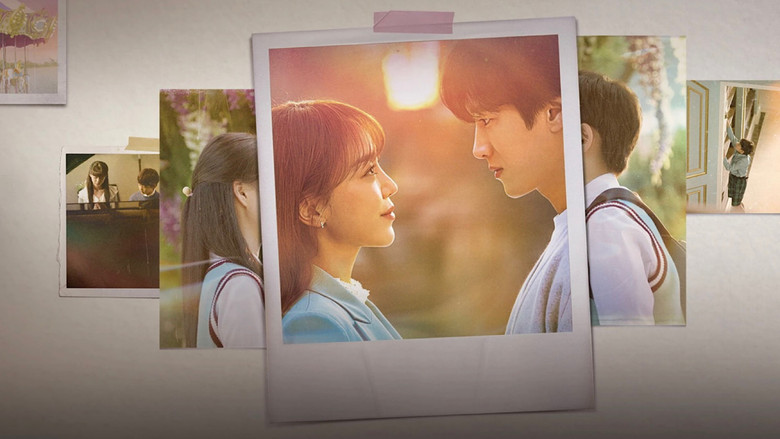
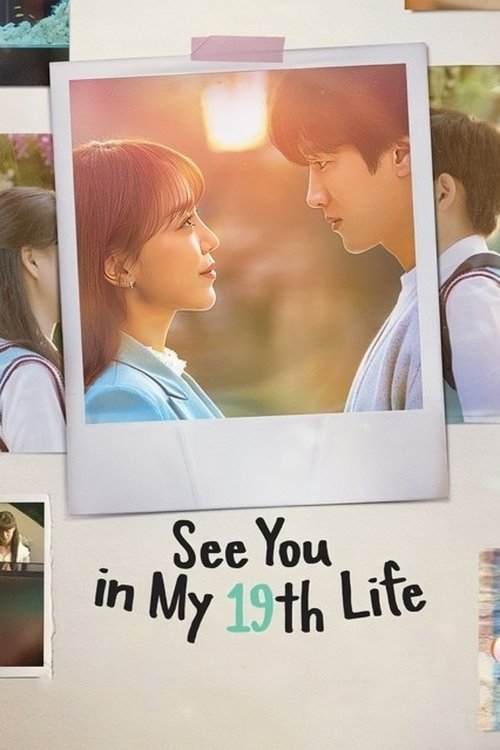
See You in My 19th Life follows Ban Ji-eum, a woman cursed and gifted with the ability to reincarnate while retaining all memories of her previous eighteen lives spanning nearly a millennium. Over centuries of endless rebirths, living had become an exhausting routine of grief and parting, until her 18th life as Yoon Joo-won, a wealthy 12-year-old girl who meets and falls in love with a boy named Moon Seo-ha. When her 18th life is cut short by a tragic car crash, she enters her 19th reincarnation determined to find Seo-ha again and bring him the solace he was denied.

Reborn as Ban Ji-eum, she leverages all the skills and knowledge accumulated across a thousand years to rise quickly and secure a position at MI Hotel, where the adult Moon Seo-ha works as executive director. Seo-ha, deeply traumatized by the loss of his childhood first love and suffering from physical and emotional scars, keeps others at an arm’s length. As Ji-eum boldly re-enters his orbit, the narrative expands into the lives of those left behind in her past: her younger sister Yoon Cho-won, her trusted secretary friend Ha Do-yoon, and a reincarnated relative from an even earlier life.

As Ji-eum seeks to mend Seo-ha’s heart, she is forced to confront the mystery behind why she began remembering her past lives in the first place. Her quest for romantic reunion gradually transforms into a journey of untangling a thousand-year-old knot of karma, sacrifice, and the emotional burden of holding onto the past at the expense of living the present.

Core Meaning

The central message of the series is that human life derives its beauty and meaning not from an accumulation of endless memories or holding onto past attachments, but from the willingness to cherish the present moment and let go of lingering grief and resentment. Reincarnation with full memory is ultimately framed not as an enviable superpower, but as a heavy emotional burden born of attachment, demonstrating that true healing comes from forgiving past wounds and embracing one's current life as whole and complete.

Thematic DNA

Grief, Trauma, and the Process of Letting Go 30%
The Burden vs. Gift of Memory 25%
Fate, Free Will, and Karma 25%
Enduring Bonds Across Lifetimes 20%

Grief, Trauma, and the Process of Letting Go

The series begins by showing how the death of Yoon Joo-won froze Moon Seo-ha in childhood trauma. As Ji-eum attempts to revive that connection, both characters learn that coping with grief requires acknowledging loss rather than clinging to ghosts.

The Burden vs. Gift of Memory

Initially, Ji-eum's memories seem like an asset that allows her to master languages, arts, and engineering effortlessly. However, the narrative gradually reveals the crushing emotional weight of remembering hundreds of deaths and goodbyes, highlighting that forgetting is an act of mercy.

Fate, Free Will, and Karma

While the characters' lives are tied by a thousand-year-old karmic knot originating in their very first lives, the story emphasizes that true redemption and emotional peace come from deliberate choices of love, forgiveness, and self-determination in the present.

Enduring Bonds Across Lifetimes

The drama explores relationships beyond romantic love, prominently featuring familial warmth—such as Ji-eum’s reconnection with her 17th-life niece Kim Ae-kyung and her 18th-life sister Yoon Cho-won—illustrating that sincere human connection transcends time and form.

Character Analysis

Ban Ji-eum

Shin Hye-sun

Archetype: The Weary Immortal / Proactive Seeker Key Trait: Unwavering directness and deep, multi-century empathy

Motivation

Reconnecting with Seo-ha and protecting the loved ones left behind; ultimately evolving into a desire to release the karmic curse of rebirth.

Character Arc

Begins as an assertive, worldly genius using centuries of accumulated knowledge to bulldoze her way back into Seo-ha's life. As she uncovers the origins of her reincarnation curse, she transitions from an obsessive custodian of past memories into a woman willing to release her past to live a genuine, finite present.

Moon Seo-ha

Ahn Bo-hyun

Archetype: The Wounded Heir / Reluctant Hero Key Trait: Gentle, quiet loyalty masking profound inner pain

Motivation

Restoring his mother’s beloved MI Hotel and coping with the loss of Joo-won; shifts toward protecting and helping Ji-eum regain her peace.

Character Arc

Starts as a guarded, grieving chaebol heir incapacitated by survivor's guilt, hearing impairment from a crash, and isolation. Through Ji-eum's presence and unraveling the truth behind his past, he learns vulnerability, courage, and how to become the one who actively supports and saves Ji-eum.

All 5 characters and cast

Symbols & Motifs

The Shamanic Bells / Asin’s Relic

Meaning:

Symbolizes the binding power of past resentments, unresolved grief, and ancient curses.

Context:

It serves as an ancient relic that triggers Ji-eum’s memories of her 1st life, opening a portal into suppressed karmic trauma.

The Bridge

Meaning:

Symbolizes transitions, the crossing of lifetimes, and the reconciliation between two souls divided by misunderstanding.

Context:

Featured prominently in both ancient flashbacks during pivotal karmic confrontations and modern-day emotional reconciliations.

The Carousel / Amusement Park

Meaning:

Represents the untarnished innocence of childhood, the frozen grief of Seo-ha’s youth following Joo-won’s death, and the nostalgic warmth of promised reunions.

Context:

Appears in key childhood memory scenes between Joo-won and Seo-ha, as well as their modern romantic encounters.

The Pool / Water

Meaning:

Symbolizes deep submerged pain, near-drowning in unresolved grief, and subsequent emotional baptism when fears are overcome.

Context:

Associated with Seo-ha's sensory trauma, hearing impairment, and panic attacks resulting from the car accident.

The Jewelry Box / Hidden Key

Meaning:

Represents the tangible bridge and unbroken connection between Yoon Joo-won and Ban Ji-eum's identities.

Context:

A physical artifact left behind by Joo-won containing a book and a message intended specifically for Seo-ha.

Memorable Quotes

이번 생은 너를 만나기 위해 태어난 거야.
— Ban Ji-eum

Context

Spoken by Ji-eum to Seo-ha in Episode 1 when declaring her romantic dedication and purpose.

Meaning

Encapsulates Ji-eum's singular dedication and sense of destiny driving her 19th reincarnation.

지난 생의 기억들이 아무리 길어도, 너와 함께 보낸 그 따뜻하고 평범한 여름날이 가장 기억에 남아.
— Ban Ji-eum

Context

Ji-eum explaining how meeting Seo-ha during her 18th life made her weary soul feel young and alive again.

Meaning

Highlights that ordinary moments of genuine human affection outshine centuries of accumulated historical knowledge.

All 5 quotes

Episode Highlights

Happiness, Sorrow, Longing, and Parting

S1E1

Establishes the foundational rules of Ji-eum’s reincarnations across history, depicts her meeting and death as Yoon Joo-won, and shows her re-emergence into Moon Seo-ha’s life as Ban Ji-eum.

Significance:

Sets the narrative stakes, character motivations, and romantic premise of the entire series.

The Heart Wants What It Wants

S1E4

Ji-eum unexpectedly encounters Yoon Cho-won and grapples with the emotional consequences of re-entering the lives of the family members she left behind in grief.

Significance:

Expands the emotional scope of the series from a straightforward romance to a broader exploration of sisterhood and familial grief.

Reunion

S1E6

Ji-eum takes a leap of faith and reveals her true past identity as Yoon Joo-won to her sister Yoon Cho-won through intimate, undeniable childhood memories.

Significance:

Marks the first major breach of the boundary between past and present lives, achieving profound emotional vulnerability.

The Truth of the Accident

S1E8

The investigation into the 18th-life car accident exposes the conspiracy within MI Group and reveals the culpability of people close to Seo-ha.

Significance:

Concludes the corporate-mystery subplot and shifts the drama’s primary focus to spiritual and karmic mysteries.

The Thousand-Year Knot

S1E10

Kang Min-gi leads Ji-eum to confront the sacred Asin relic bell, triggering full flashbacks to her first life as Su-ro a millennium ago.

Significance:

Recontextualizes Ji-eum's entire existence by revealing that her continuous memory retention originated from an ancient curse of vengeance.

See You in My 19th Life

S1E12

Ji-eum chooses to relinquish all memories of her previous 18 lives to break the curse and save Ae-kyung, allowing Seo-ha and her loved ones to re-introduce themselves to her as an ordinary woman.

Significance:

Delivers the ultimate narrative resolution where true love and human connection begin anew in an unburdened present.

Philosophical Questions

Is forgetting a loss of identity, or is it an essential grace?

The drama explores how retaining total memory renders life unbearable, proposing that the human capacity to forget is a necessary mercy for mental peace and new beginnings.

What defines love across time: the shared memories, or the resonance of the soul?

Explored through Seo-ha loving Ji-eum first as an eccentric acquaintance, recognizing the soul of Joo-won within her, and eventually choosing to woo her when she has completely lost her memories of him.

Does a prolonged past enrich the present, or does it hold the future hostage?

Ji-eum’s multi-century perspective initially grants her worldly wisdom, but ultimately threatens her health and endangers her loved ones until she learns to ground herself in the present.

Alternative Interpretations

The series offers multiple interpretive angles:

Full ending explanation

Cultural Impact

See You in My 19th Life arrived during a peak period of South Korean production studios adapting Naver and Kakao webtoons for global streaming audiences on platforms like Netflix and TVING. While traditional Korean Buddhist and shamanistic culture views Samsara (reincarnation) as a natural cycle governed by karma where memories are forgotten across lifetimes, this series subverts the trope by framing persistent memory retention as a spiritual imbalance and a curse. The drama achieved solid domestic ratings peaking at approximately 5.7% and entered Netflix’s Global Top 10 Non-English TV shows, sparking widespread online discourse regarding webtoon adaptations and narrative fidelity.

Audience Reception

Audience and critical reception were largely positive, particularly regarding the following elements:

  • Performance and Chemistry: Shin Hye-sun was universally lauded for carrying the series with her emotional range, blending rapid comedic delivery with profound dramatic grief.
  • Visual Direction: Director Lee Na-jeong received widespread acclaim for luminous pastel color palettes, seamless match-cuts between eras, and an evocative soundtrack.
  • Supporting Relationships: The familial bond between Ji-eum and Ae-kyung, alongside the sisterly dynamic with Cho-won, were cited as emotional high points.

However, major criticisms centered on late-stage narrative choices, specifically the dramatic divergence from the webtoon's first-life lore, the rushed resolution of the corporate hit-and-run mystery, and the compressed 12-episode pacing.

Interesting Facts

  • The series was directed by Lee Na-jeong, known for her visual and emotional direction on Fight for My Way (2017) and Mine (2021).
  • Adapted from the popular Naver webtoon of the same name by Lee Hye, which ran from June 2020 to October 2022.
  • Actor Ahn Bo-hyun lost approximately 8 kg (17.6 lbs) prior to filming to portray Moon Seo-ha’s delicate, traumatized, and sickly emotional state.
  • Actress Shin Hye-sun took on this project following high-concept fantasy roles in Mr. Queen and Angel's Last Mission: Love.
  • Shin Hye-sun and Cha Chung-hwa (who plays her 17th-life niece Kim Ae-kyung) previously demonstrated notable comedic chemistry together in Mr. Queen (2020).
  • Studio Dragon condensed the multi-chapter webtoon into a 12-episode format, leading to significant structural condensations and rewrites in the final act.

Easter Eggs

Cameo by Chae Jong-hyeop

Actor Chae Jong-hyeop makes a special cameo appearance as Bok-dong, Ban Ji-eum’s 16th incarnation during the Japanese colonial period.

Cameo by Lee Bo-young

Celebrated actress Lee Bo-young appears as Lee Sang-ah, Moon Seo-ha’s mother and former head of MI Hotel, anchoring Seo-ha's childhood trauma.

Cameo by Im Won-hee

Im Won-hee makes a guest appearance as a senior artisan figure within historical memory sequences.

Child Reincarnation Cameos

Widely recognized child actresses Park So-yi and Ki So-yoo portray young Ban Ji-eum and young Yoon Cho-won respectively.

Frequently Asked Questions

Explore More About This Movie

Dive deeper into specific aspects of the movie with our detailed analysis pages

Comments (0)

Leave a comment

No comments yet. Be the first to share your thoughts!

Similar Movies