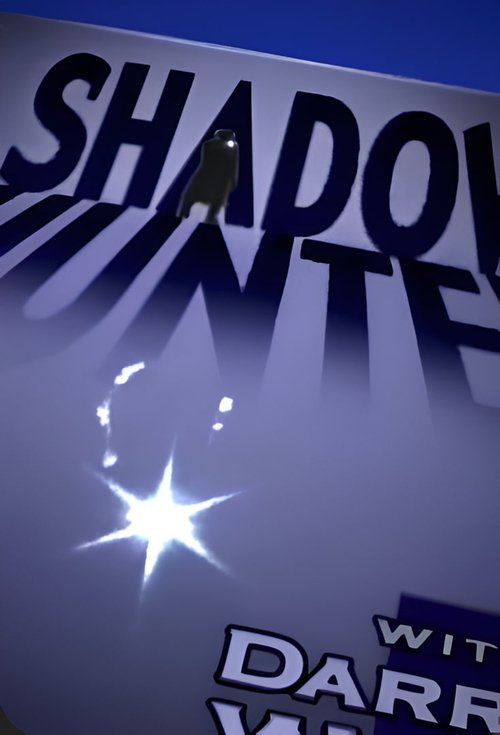
Shadow Hunter
Overview
Shadow Hunter is a Canadian documentary television series that originally aired in 2005. Hosted by parapsychologist Dr. Darryll Walsh, the single-season, 13-episode series takes a comprehensive look at various paranormal phenomena. Each episode is dedicated to a specific theme, ranging from mythological creatures like fairies and vampires to supernatural concepts such as ghosts, psychics, and UFOs.
The series positions itself as an exploratory journey, examining the history, cultural significance, and scientific perspectives related to each topic. Dr. Walsh approaches the subjects with what the producers describe as "healthy skepticism and a good sense of humour," aiming to investigate the origins of these beliefs and our enduring fascination with them. The show delves into folklore, historical accounts, and modern cultural expressions of the paranormal, seeking to understand why these mysteries persist in our technologically advanced world.
Core Meaning
The core message of Shadow Hunter appears to be an encouragement of critical and curious inquiry into the unknown. Rather than definitively proving or disproving paranormal phenomena, the series aims to explore the human relationship with these mysteries. It investigates why societies throughout history have developed these beliefs and how they have evolved into modern cultural touchstones, from horror movies to Goth subcultures. The show suggests that understanding our belief in the paranormal is as important as investigating the phenomena themselves, highlighting the intersection of folklore, psychology, and human experience.
Thematic DNA
The Evolution of Folklore into Pop Culture
A central theme is tracing the lineage of paranormal beliefs from ancient folklore to their contemporary representations. The series often contrasts the historical, often sinister, origins of entities like fairies and vampires with their sanitized or romanticized versions in modern books, films, and subcultures. This is explicitly highlighted in episodes like "Vampires to Goth" and "Ghosts in Pop Culture."
Skeptical Inquiry vs. Belief
The show navigates the territory between belief and skepticism. Hosted by a parapsychologist, it takes paranormal claims seriously enough to investigate their historical and cultural roots, yet it maintains a critical distance. Dr. Walsh is presented as a "dedicated truth-seeker" who uses his expertise to get to the bottom of various phenomena, suggesting a theme of rational investigation of seemingly irrational subjects.
The Psychology of Fear and Fascination
Shadow Hunter repeatedly explores what drives humanity's deep-seated fascination with the supernatural. Episodes on ghosts, night terrors, and superstitions delve into the psychological appeal of being scared and our desire to believe in an existence beyond the mundane. The series questions why, despite scientific progress, these ancient fears and beliefs continue to hold such power over the human imagination.
Character Analysis
Darryll Walsh
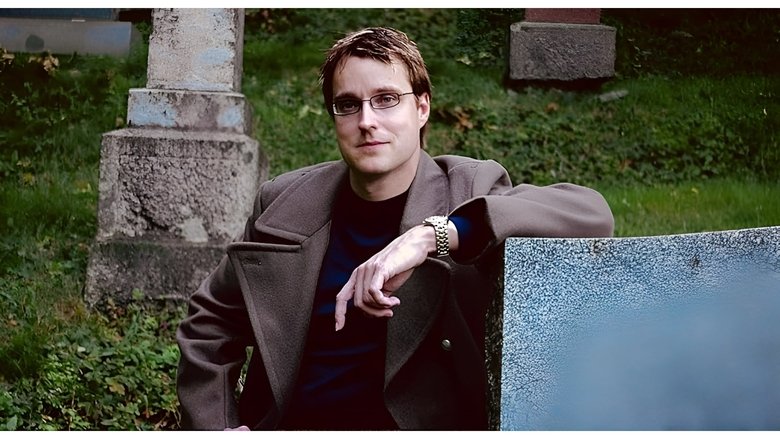
Darryll Walsh (Host)
Motivation
His motivation, as presented in the show's description, is to be a "dedicated truth-seeker." He aims to explore the history, science, and cultural relevance of paranormal phenomena, seeking to understand the origins and enduring appeal of these mysteries. His goal is educational: to delve into everything from vampires and fairies to poltergeists and phantom ships, providing viewers with a multi-faceted understanding of each subject.
Character Arc
As the host and narrator of a documentary series, Darryll Walsh does not have a fictional character arc. Instead, he serves as the consistent guide for the audience through each episode's topic. His role is to present information, interview subjects, and provide a parapsychological perspective on the phenomena being explored. Throughout the series, he maintains a consistent persona as a knowledgeable, open-minded, yet skeptical investigator.
Episode Highlights
Fairies
This episode challenges the modern, Disney-fied image of fairies by exploring their more potent and sinister origins in folklore. It sets the tone for the series by taking a familiar myth and uncovering its darker, historical roots, featuring interviews with individuals who claim to have encountered these beings.
As the premiere episode, it establishes the show's formula: deconstructing a popular paranormal subject, tracing its history, and contrasting it with contemporary beliefs.
Vampires to Goth
This episode tracks the evolution of the vampire myth, from the monstrous figures of historical folklore to the romantic antiheroes of Hollywood. It directly connects the ancient legend to modern subcultures, exploring the Goth and Fetish communities to understand the vampire's enduring appeal.
It showcases the series' theme of connecting historical folklore to modern pop culture, demonstrating how ancient myths are adapted and find new life in contemporary society.
Ghosts in Pop Culture
The episode investigates why the belief in ghosts remains pervasive in a technological age. It explores the reasons behind our desire to be scared, featuring a tour of a haunted house and discussing a controversial device designed to simulate ghostly presences.
This episode directly addresses the psychology of belief and fear, a core theme of the series, by questioning the cultural and psychological needs that ghost stories fulfill.
UFOs
Focusing on the phenomenon of UFO sightings, this episode explores the profound impact such experiences can have on individuals. It features interviews with people whose lives were changed by witnessing a UFO, an obsessive investigator, and a woman who claims to have been operated on by aliens.
Highlights the human element of paranormal belief, focusing on the personal and psychological transformation that can occur after a perceived encounter with the unexplained.
Night Terrors
This episode delves into the frightening experiences that occur on the edge of sleep, such as night terrors, strange visions, and the "Old Hag" syndrome (sleep paralysis). It examines the fine line between dreams and perceived paranormal attacks.
Explores the intersection of psychology, neurology, and folklore, demonstrating how scientifically explainable phenomena can be interpreted as supernatural experiences.
Philosophical Questions
Why do paranormal beliefs persist in a scientific and technological age?
Throughout its various episodes, the series implicitly explores this question. By examining phenomena like ghosts, fairies, and UFOs, it delves into the psychological and cultural needs that these beliefs fulfill. It suggests that these stories offer explanations for the unknown, provide comfort in the idea of an afterlife, and satisfy a human desire for mystery and wonder that science alone may not address. The show often looks at historical context, implying that modern beliefs are echoes of ancient attempts to make sense of the world.
How do our cultural products (films, books, etc.) shape and transform ancient myths?
The series frequently analyzes how folklore is filtered through popular culture. The "Vampires to Goth" episode is a prime example, tracing the vampire's journey from a monstrous entity to a romantic figure. Similarly, "Ghosts in Pop Culture" examines how the film industry has codified our expectations of a haunting. The show demonstrates that our modern understanding of the paranormal is often more influenced by media than by the original folklore itself.
Cultural Impact
As a relatively obscure Canadian documentary from 2005, Shadow Hunter appears to have had a minimal cultural impact. There are no available critical reviews or audience discussions that would indicate a significant viewership or a lasting legacy in the paranormal television genre. It was part of a wave of paranormal investigation shows that grew in popularity in the 2000s, but it does not seem to have distinguished itself from larger, more personality-driven franchises like Ghost Hunters. Its primary context is within Canadian broadcast history as content for the SPACE channel, contributing to the network's portfolio of science fiction and paranormal programming. The show's scholarly and documentary-style approach, focusing on history and folklore, was somewhat different from the more evidence-gathering, reality-TV format that came to dominate the genre.
Audience Reception
There is no available data, reviews, or forum discussions to aggregate a meaningful analysis of audience reception for Shadow Hunter. The show's age and niche Canadian market presence mean that public online reaction is virtually nonexistent. Major review aggregator sites do not have entries with user ratings or reviews for the series.
Interesting Facts
- The episode titles listed on the series' Wikipedia page are incorrect and appear to be copied from the 2016 fantasy series "Shadowhunters," which is based on Cassandra Clare's novels. The actual topics are thematic, such as "Fairies," "Psychics," and "Vampires to Goth."
- The series was produced in association with CHUM Television and aired on the Canadian specialty channel Space, known for its science fiction and fantasy programming.
- Host Darryll Walsh holds a doctorate in Parapsychology and is the author of several books on supernatural phenomena in Canada, such as "Ghosts of Nova Scotia" and "Legends and Monsters of Atlantic Canada."
⚠️ Spoiler Analysis
Click to reveal detailed analysis with spoilers
Frequently Asked Questions
Explore More About This Movie
Dive deeper into specific aspects of the movie with our detailed analysis pages
Comments (0)
No comments yet. Be the first to share your thoughts!