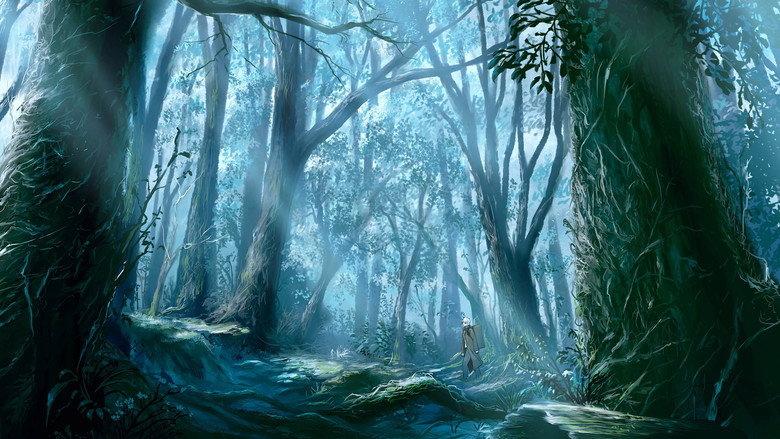
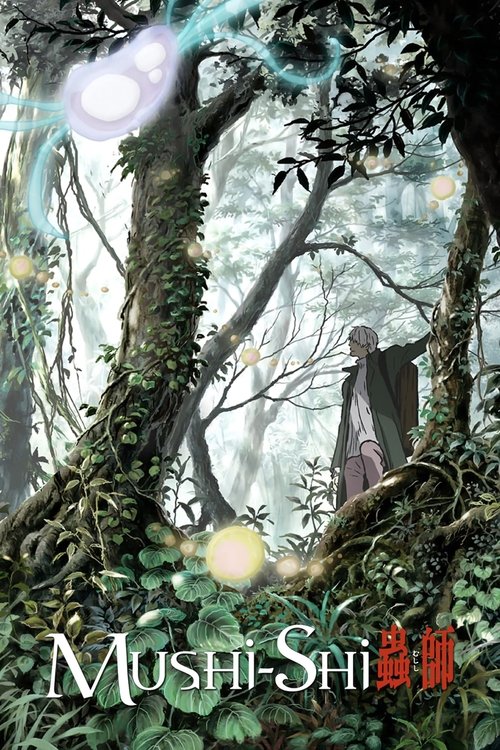
Mushi-Shi, directed by Hiroshi Nagahama and adapted from Yuki Urushibara’s manga by studio Artland, is an episodic supernatural journey set in a timeless, rural Japan somewhere between the Edo and Meiji eras. The narrative follows Ginko, a stoic, one-eyed wanderer known as a "Mushi-shi" (Mushi master). In this world, the most fundamental lifeforms are neither animals nor plants, but Mushi—ethereal, primitive entities that embody primordial life force. Invisible to ordinary human senses, Mushi drift through the margins of reality, sometimes intertwining with human lives to produce mysterious afflictions, temporal anomalies, or supernatural phenomena.
Across its run—spanning the original 2005 television series and its continuation Mushi-Shi: The Next Passage (Zoku-Shō, 2014) along with concluding cinematic specials—the show rejects conventional conflicts of heroism and villainy. Instead, each episode operates as an intimate vignette. Ginko travels on foot from isolated farming enclaves and fog-drenched islands to snowbound mountain settlements, called upon to diagnose bizarre symptoms: ears that perceive silence as physical blockages, eyes consumed by living shadows, or dreams leaking into waking reality.
The connective tissue across both seasons is not an impending apocalypse or a clash against evil, but Ginko’s wanderer’s oath: to observe, diagnose, and seek equilibrium between humans and Mushi. Because Ginko naturally exudes an innate aura that attracts Mushi, he cannot settle down without endangering those around him. Thus, the overarching journey becomes a quiet, expansive exploration of coexistence, human grief, and environmental impermanence, as Ginko passes through the lives of strangers, alters their fates, and vanishes back into the forest trails.




Comments (0)
No comments yet. Be the first to share your thoughts!