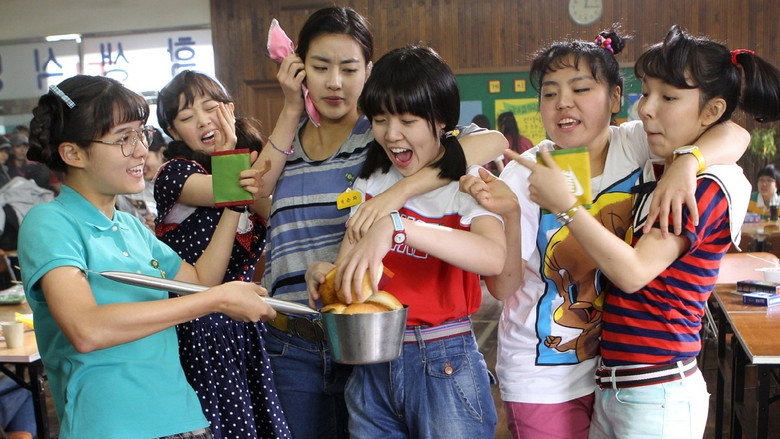
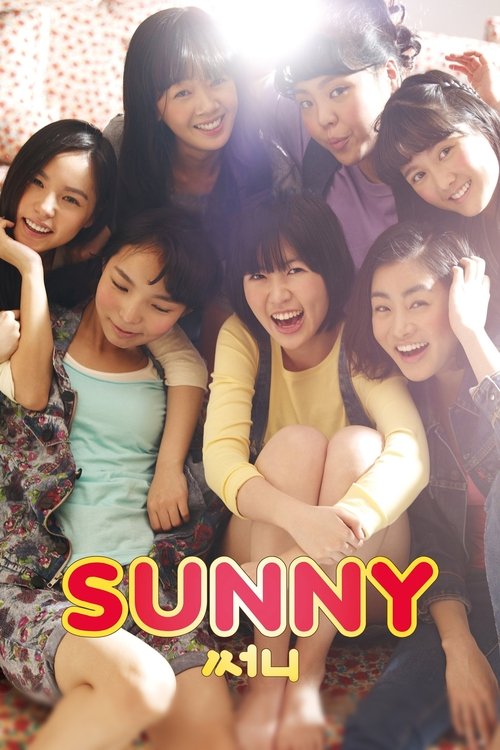
Chun-hwa is dying of terminal illness, and her last wish is to see the Sunny members once more. Na-mi tracks down the others, each of whom has taken a different path, with help from other friends. Along the way, the film also shows the events of the 1980s that split the group apart.
The present-day reunion is not a simple happy ending: Chun-hwa dies. In her memory, the surviving members gather and perform their old song and dance. The ending shows that the friendship the girls vowed in youth has held in spirit, even without every member present. Echoing the oath, the survivors use the bond to help one another.
The film's hidden design is that the two timelines mirror each other. The present echoes the past through songs and gestures, which makes the past feel permanently present. This is why the closing choice of \"Time After Time\" after the title song is so effective.
Note: I could not verify every plot detail from the sources I searched, so this account stays at the level the sources support.