Skip to content
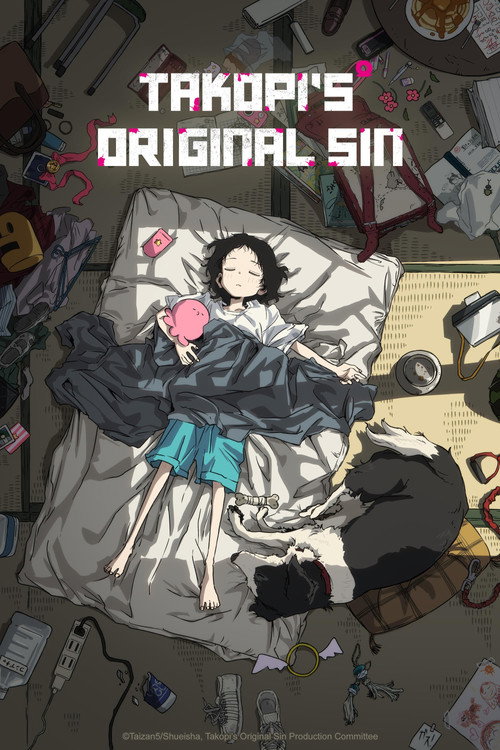
Takopi's Original Sin
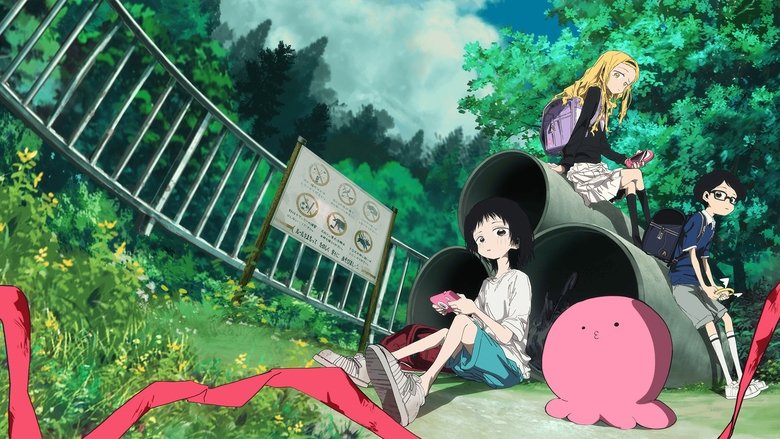
A candy-colored nightmare veiled in childlike whimsy, where an alien’s naïve optimism collides with raw human cruelty—resembling a cracked glass music box spinning frantically as innocent hands desperately try to stitch shattered lives together.
Takopi's Original Sin

タコピーの原罪

28 June 2025 — 02 August 2025 Japan 1 season 6 episode Ended 8.8 (196)

Cast: Kurumi Mamiya, Reina Ueda, Konomi Kohara, Anna Nagase, Ayumi Tsunematsu

Drama Animation Sci-Fi & Fantasy The Destructiveness of Forced Positivity & Naive Empathy Generational Trauma, Domestic Abuse & Neglect The Burden of Silence vs. The Power of Dialogue The Complexity of Victimhood and Retribution The Illusion of Temporal Escape & True Accountability

Takopi's Original Sin — Ending Explained

⚠️ Spoiler Analysis

The narrative is driven by several major structural twists and an emotional resolution:

  • The Suicide Twist (Episode 1): Takopi gives Shizuka an unbreakable ribbon gadget to cheer her up; Shizuka uses it to hang herself in the woods, forcing Takopi to activate his Happy Camera to rewind time.
  • Marina’s Death & Azuma’s Complicity (Episodes 2–3): In the second timeline, Marina threatens Chappy, and Takopi uses the Happy Ribbon in self-defense, accidentally bludgeoning Marina to death. Azuma discovers the body, helps bury Marina, and attempts to run away to Tokyo with Shizuka before the camera breaks.
  • The 2022 High School Timeline Reveal (Episode 5): The major series twist reveals that the 2016 narrative is not the first timeline. Takopi originally arrived in 2022 and befriended teenage Marina. In that timeline, Shizuka survived childhood, grew up isolated, and manipulated Azuma into breaking Marina's heart to avenge Chappy, sparking a domestic murder-suicide. Distraught, Takopi traveled back to 2016 to eliminate Shizuka for Marina's sake, but Happian law wiped his memories upon doing so.
  • The Series Finale (Episode 6): Remembering everything, Takopi realizes that gadgets cannot fix the human heart. He sacrifices his physical existence to initiate one final timeline reset where he never arrives on Earth. Retaining faint subconscious memories of the shared bond and pain, Shizuka and Marina argue, cry, and finally talk honestly to each other—taking the first real step toward mutual empathy.

Alternative Interpretations

The series invites several layered analytical perspectives:

  • The Allegory of Adult Incompetence: Some critics interpret Takopi not as an alien, but as a metaphor for well-meaning yet fundamentally clueless adults who offer superficial platitudes ("just make up and smile") to suffering children because they cannot bear to confront the ugly complexities of abuse.
  • The Rejection of the "Fixer": Another perspective views the show as a critique of savior complexes. Both Takopi and Azuma attempt to "fix" other people's lives through unilateral actions, ultimately doing more harm than good, positing that genuine support requires humility, active listening, and relinquishing control.
  • The "Happian" Condition as Toxic Positivity: The Happy Planet is seen as an allegory for algorithmic or institutional toxic positivity—a society that pathologizes negative emotions, ignores structural pain, and erases memory rather than processing grief.

Explore More About This Movie

Dive deeper into specific aspects of the movie with our detailed analysis pages

Similar Movies