Skip to content
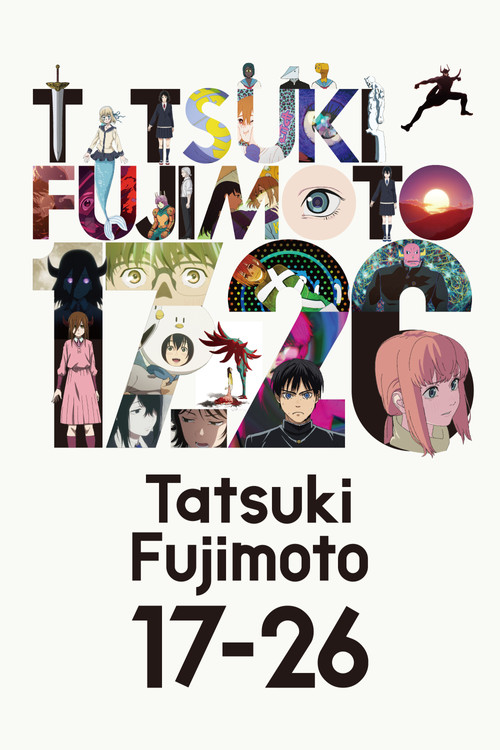
Tatsuki Fujimoto 17-26
An intoxicating blend of adolescent surrealism and visceral emotional sincerity, capturing the dizzying ache of youth like neon spray paint splattered across a cracked bathroom mirror.
Tatsuki Fujimoto 17-26

藤本タツキ 17-26

08 November 2025 — 08 November 2025 Japan 1 season 8 episode Ended 8.7 (107)

Cast: Kensho Ono, Shion Sakurai, Kazuki Ura, Kimiko Saito, Mitsuo Iwata

Drama Animation Sci-Fi & Fantasy Comedy Radical Empathy and Monstrosity Artistic Obsession, Envy, and Creation The Cosmic Absurdity of Adolescent Passion Gender, Body, and Identity Transgression

Tatsuki Fujimoto 17-26 — Ending Explained

⚠️ Spoiler Analysis

Across the anthology, several climactic twists and subversions define the narratives:

  • In Episode 1, humanity never defeats the apocalyptic threat; survival simply settles into mundane coexistence with giant invading predators alongside classroom livestock.
  • In Episode 4 (Shikaku), the unkillable vampire Yugeru cannot die, but he ultimately rejects suicide because Shikaku's crazed, relentless assassination attempts bring genuine excitement back into his millenia-long life.
  • In Episode 7 (Nayuta of the Prophecy), the prophesied demon Nayuta does not bring about the apocalypse. Kenji's steadfast parental love and refusal to abandon her teach her warmth, proving destiny can be broken by nurturing empathy.
  • In Episode 8 (Sisters), the climactic emotional twist reveals that the older sister's outward contempt and the younger sister's artistic brilliance were both rooted in mutual idolatry—the series closes not on destruction or monsters, but on the quiet, heartbreaking realization of shared love across sketchbooks.

Alternative Interpretations

The Auteur Genesis Reading: Critics widely interpret the series as a living museum of Fujimoto's psychological maturation. The transition from crude, bloody punchlines in Chickens to the sophisticated emotional devastation of Sisters mirrors a creator outgrowing shock value to embrace raw vulnerability.

The Meta-Deconstruction of Shonen/Shojo Tropes: Another view treats the anthology as deliberate satire of commercial anime tropes—weaponizing rom-com confessions, vampire lovers, magical sisters, and gender swaps to reveal the neurotic anxieties lurking underneath pop culture formulas.

Explore More About This Movie

Dive deeper into specific aspects of the movie with our detailed analysis pages

Similar Movies