Skip to content
Teen Titans Go!
An unapologetically manic superhero satire fueled by deranged slapstick and infectious irreverence, swirling like a hyperactive kaleidoscope of Saturday-morning nostalgia colliding headfirst into a blender of modern internet absurdity.
Teen Titans Go!

Teen Titans Go!

23 April 2013 — 08 August 2026 United States of America 9 season 454 episode Returning Series 6.4 (719)

Cast: Scott Menville, Greg Cipes, Khary Payton, Tara Strong, Hynden Walch

Animation Sci-Fi & Fantasy Action & Adventure Family Comedy Meta-Fiction, Satire & Critique of Fan Culture Domesticity vs. Heroism (The Mundane Absurdity of Daily Life) Selfishness vs. Found-Family Loyalty Consumerism, Bureaucracy & Financial Realism Nostalgia & Pop-Cultural Reinterpretation

Overview

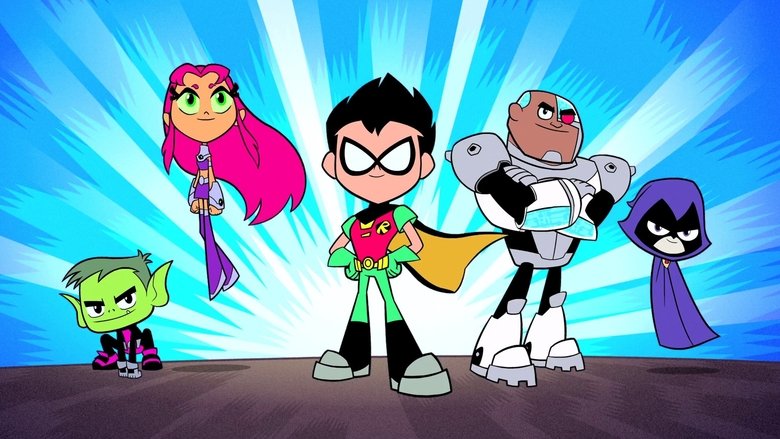
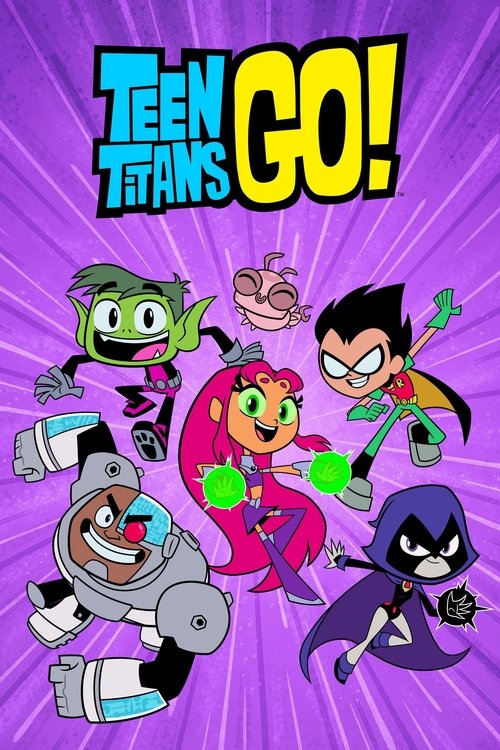
Developed by Aaron Horvath and Michael Jelenic, Teen Titans Go! (2013–present) is an animated comedic reimagining of DC Comics' premier young superhero team. Rather than continuing the dramatic serialized narratives and world-ending existential battles of the acclaimed 2003 Teen Titans series, this show strips the capes and seriousness away to focus almost entirely on what happens between crime-fighting duties. Living in Titans Tower in Jump City, Robin, Cyborg, Starfire, Raven, and Beast Boy navigate domestic squabbles, bizarre food addictions, household chores, workplace bureaucracy, and eccentric personal ambitions.

Across its long-running broadcast run spanning hundreds of episodes, the series gradually transformed from a simple sitcom parody into an intricate playground of post-modern meta-humor. The overarching narrative framework is intentionally episodic and non-linear, allowing characters to die, undergo mutations, destroy entire civilizations, or warp reality in one episode only to reset back to normal by the next. Rather than progressing through traditional hero arcs, the show tracks the Titans' chaotic adventures against rogue gallery antics, corporate greed, holiday spirits, musical interdimensional realms, and self-aware encounters with their own audience and animators.

As the seasons progress, Teen Titans Go! evolves into a commentary on comic book culture, the animation industry, reboot fatigue, and commercial television itself. Through a blend of high-energy slapstick for younger audiences and layered satirical critiques for older viewers, the series establishes a distinct identity within DC television history: an endless, self-reflexive celebration of cartoon absurdity.
Core Meaning

At its core, Teen Titans Go! is a deconstructive satire of the superhero mythos and entertainment industry capitalism. The creators sought to dismantle the solemnity and self-importance surrounding modern superhero media, suggesting that the drive to make every comic adaptation grim, gritty, and profound often strips the medium of its inherent joy, playfulness, and absurdity.

Beyond superhero parody, the series presents a critique of television production, fan entitlement, and commodification. By treating its own characters as flawed, selfish, and hyper-consumerist roommates, the show argues that human (and super-human) nature is defined as much by mundane pettiness, laziness, and camaraderie as it is by world-saving heroics. It champions humor as a valid form of storytelling, asserting that cartoons need not always educate or edify; sometimes their greatest power is boundless, subversive silliness.

Thematic DNA

Meta-Fiction, Satire & Critique of Fan Culture 35%
Domesticity vs. Heroism (The Mundane Absurdity of Daily Life) 25%
Selfishness vs. Found-Family Loyalty 20%
Consumerism, Bureaucracy & Financial Realism 10%
Nostalgia & Pop-Cultural Reinterpretation 10%

Meta-Fiction, Satire & Critique of Fan Culture

Starting subtly in Season 1 and becoming the dominant storytelling engine in later seasons, the show constantly breaks the fourth wall. It weaponizes characters like Control Freak to address real-world criticisms, parody internet outrage over reboots, analyze TV ratings, mock animation shortcuts, and critique Hollywood studio logic.

Domesticity vs. Heroism (The Mundane Absurdity of Daily Life)

Saving Jump City is treated as an annoying chore, while trivial household tasks—such as making sandwiches, getting driver's licenses, assembling furniture, or doing laundry—are treated with the apocalyptic urgency of an alien invasion. This inversion subverts the conventional superhero dynamic.

Selfishness vs. Found-Family Loyalty

The Titans are uncommonly self-centered, petty, and competitive. However, despite constant betrayals, physical fights, and mutual gaslighting over trivial matters, their unbreakable bond as a found family re-emerges when genuine existential threats or emotional crises confront them.

Consumerism, Bureaucracy & Financial Realism

The series frequently pauses its action to teach bizarrely accurate, detailed lessons on complex real-world topics, including building equity, pyramid schemes, rental insurance, real estate speculation, and the IRS, satirizing adult financial anxieties through a juvenile lens.

Nostalgia & Pop-Cultural Reinterpretation

The show reinterprets decades of pop culture, from 1980s synth-rock music videos and retro arcade games to classic DC comic arcs and Golden Age Hollywood tropes, reimagining them through an anarchic lens.

Character Analysis

Robin

Scott Menville

Archetype: The Insecure Dictator / Neurotic Leader Key Trait: Megalomaniacal micromanagement masking severe inadequacy

Motivation

To command absolute respect, maintain authority over the Titans, and earn a solo movie or spotlight.

Character Arc

Beginning as an ambitious hero trying to lead by the superhero handbook, Robin rapidly degenerates across the seasons into an unhinged, power-obsessed control freak. His arc highlights a comic descent into manic narcissism, constantly driven by jealousy of his powered teammates and a desperate hunger for validation from Batman and the Justice League.

Cyborg

Khary Payton

Archetype: The Boisterous Hedonist / High-Tech Slacker Key Trait: Infectious, loud enthusiasm paired with stubborn indolence

Motivation

Maximizing leisure, enjoying bromance antics with Beast Boy, and indulging his pop-culture passions.

Character Arc

While possessing advanced cybernetic weaponry, Cyborg shifts from an enthusiastic tech specialist to a lazy, fun-loving homebody alongside Beast Boy. Over the series, his mechanical nature is used for slapstick bodily transformations, while his deep appreciation for music (especially 80s synth-rock) reveals a soulful, passionate core.

All 5 characters and cast

Symbols & Motifs

Waffles (and Food Obsessions)

Meaning:

Symbolizes the Titans' fixation on base instant gratification and trivial indulgence over moral and superhero duty.

Context:

Appears throughout the series as recurring obsessions, including waffles, pies, burritos, and legendary sandwiches that cause internal team conflict.

The Remote Control / TV Screen

Meaning:

Serves as a symbol of the series' self-awareness and control over its own fictional reality.

Context:

Often wielded by villains such as Control Freak as physical instruments to manipulate aspect ratios, visual aesthetics, and broadcast continuity.

Robin’s Mask and Staff

Meaning:

Emblems of Robin's fragile leadership, deep-seated imposter syndrome, and compulsive need to compensate for lacking natural superpowers.

Context:

Used during Robin's neurotic attempts to enforce strict discipline and command authority over his super-powered peers.

The B.E.R. Cassette Tape ("The Night Begins to Shine")

Meaning:

A glowing emblem of pure 1980s escapism, creative passion, and mystical alternate realities fueled entirely by music and retro-futuristic fantasy.

Context:

Introduced in Cyborg's musical obsession, serving as the gateway to an alternate animated realm.

The Titans Tower

Meaning:

Symbolizes suburban stagnation and roommate dysfunction rather than an impregnable fortress of justice.

Context:

The T-shaped architectural base functions primarily as an overcrowded, chaotic sitcom apartment.

Memorable Quotes

Waffles! Waffles! Waffles!
— Cyborg and Beast Boy

Context

Season 1, Episode 39 ("Waffles").

Meaning

Highlights the show's early embrace of pure absurdism, turning a single word into an entire episode-long song and annoyance weapon that drove the rest of the team to madness.

There is good and there is evil, and the line between them is clear.
— Robin

Context

Season 2, Episode 33 ("Let's Get Serious").

Meaning

Delivered in a gritty, gravelly voice as the Titans attempt to parody hyper-serious superhero shows like Young Justice, highlighting the comedy of extreme edginess.

All 5 quotes

Episode Highlights

Waffles

S1E39

Cyborg and Beast Boy challenge each other to speak only using the word "waffles," completely disrupting life at Titans Tower.

Significance:

Solidified the show's commitment to relentless anti-humor and absurdist musical gags, sparking strong viral engagement and distinct polarization among audiences.

Let's Get Serious

S2E33

After being shamed by Aqualad and the Young Justice team for being too silly, the Titans transform themselves into gritty, hyper-serious heroes.

Significance:

Marked the first overt, feature-length response to critics complaining about the show's lack of drama and adult tone.

The Return of Slade

S2E51

The Titans anticipate a grand confrontation with their arch-nemesis Slade, but the narrative pivots entirely into hiring a clown for a children's party.

Significance:

Promised the return of the original series' primary antagonist but executed an audacious bait-and-switch, reinforcing the show's signature trolling ethos.

The Fourth Wall

S3E9

Control Freak subjects the Titans to clips of their serious 2003 predecessors, explaining reboots, television ratings, and awards.

Significance:

Formally established the series' defining meta-commentary style by engaging directly with real-world internet backlash on screen.

40%, 40%, 20%

S3E10

Cyborg reveals that his real-life combat prowess is powered entirely by listening to the 1980s synth-rock song "The Night Begins to Shine".

Significance:

Introduced the synth-wave fantasy universe, creating a viral pop-culture hit that spawned multi-part mini-series specials and real-world music chart success.

The Spectacular 200th Episode Extravaganza!

S5E1

The Titans enter the real Warner Bros. Animation studios to confront their actual producers, Michael Jelenic and Aaron Horvath, to save their show.

Significance:

Broke the fourth wall entirely by showing the behind-the-scenes production process, voice actors, and animators as characters inside the episode's plot.

Teen Titans Roar!

S6E4

The Titans team up with the cast of ThunderCats Roar to fight off nostalgic cartoon purists.

Significance:

Satirized reactionary internet outrage against modern comedic reboots through an official network crossover.

365!

S7E52

To celebrate their 365th episode milestone, the Titans recruit director Zack Snyder to helm a dramatic, high-budget, action-packed adventure.

Significance:

Featured a guest appearance by live-action DC director Zack Snyder, lovingly parodying his desaturated, slow-motion superhero cinematic style.

Philosophical Questions

The Burden of Utility: Must art and animation always serve an educational or serious purpose?

The series actively rejects the expectation that animated storytelling must always edify or morally educate, proposing that pure silliness, absurdity, and laughter are valid and powerful artistic ends in themselves.

The Paradox of Identity in Franchises: Who truly owns iconic characters across generations?

Through its meta-narratives on reboots, the show explores whether legacy superhero characters belong to original creators, corporate copyright holders, or the shifting comedic and cultural tastes of new generations.

Escapism vs. Realism: How do mundane micro-obsessions distract from larger existential realities?

The Titans' intense fixation on petty arguments, food crazes, and pop culture reflects the modern human tendency to retreat into consumerist trivialities when overwhelmed by massive, uncontrollable systemic crises.

Alternative Interpretations

Several distinct interpretations of the series exist:

Full ending explanation

Cultural Impact

Debuting in 2013 during a transition point for Cartoon Network alongside experimental shows like Adventure Time and Regular Show, Teen Titans Go! initially faced strong pushback from nostalgic fans of the 2003 series. However, it quickly achieved ratings dominance among younger viewers and became one of Cartoon Network's most heavily broadcast tentpoles.

The show fundamentally altered how animated reboots engage with their critics. Rather than ignoring backlash, the creators transformed online criticism into a comedic storytelling device, influencing self-aware writing across modern Western television animation. With theatrical films, crossovers, and hundreds of episodes, it stands as the longest-running animated show in DC Comics history.

Audience Reception

Reception to Teen Titans Go! has been marked by notable generational polarization and critical evolution:

  • Original Fans (2003 Series): Initially expressed intense hostility due to the drastic tonal shift from serialized, dark drama to episodic, slapstick anti-humor.
  • Younger Generations & New Audiences: Embraced the hyperactive pacing, catchy musical numbers, and visual comedy, turning the series into a ratings juggernaut and digital streaming flagship.
  • Critical Reassessment: Television critics gradually warmed to the show, praising its voice acting, self-referential writing, and satirical boldness, with the 2018 theatrical spin-off earning critical acclaim (91% on Rotten Tomatoes). Over time, public animosity transitioned into recognition of its unique meta-satire.

Interesting Facts

  • Warner Bros. and Cartoon Network retained the exact core voice cast from the dramatic 2003 Teen Titans series (Scott Menville, Khary Payton, Greg Cipes, Tara Strong, and Hynden Walch).
  • The show was greenlit following the massive success of the New Teen Titans comedic shorts produced for Cartoon Network’s DC Nation programming block in 2012.
  • The song 'The Night Begins to Shine' was an obscure production music library track recorded in 2005 by the band B.E.R. (Carl Burnett, Franklin Enea, William J. Reagan) and charted on the Billboard Hot Rock Songs chart after airing.
  • Co-creators Aaron Horvath and Michael Jelenic previously worked together on Cartoon Network's sketch comedy series MAD, which heavily informed the show's rapid satirical pacing.
  • Following their work on the series and its theatrical spin-off, creators Horvath and Jelenic were chosen to direct Illumination/Nintendo’s blockbuster The Super Mario Bros. Movie (2023).

Easter Eggs

Zack Snyder Cameo ("365!")

The real-life director guest-starred as an exaggerated version of himself, parodying his signature visual style of slow-motion, desaturated color grading, and heavy god-complex symbolism.

Stan Lee Cameo in Feature Film

Marvel icon Stan Lee made a self-aware animated cameo in Teen Titans Go! To the Movies, poking fun at his ubiquitous presence across comic book movie adaptations.

Background DC Universe Lore

Titans Tower regularly features obscure background props from DC lore, including Batman’s batarangs lodged in walls, photos of Robin with the Flying Graysons, and the urn of Thomas and Martha Wayne.

"Weird Al" Yankovic as Darkseid

The parody music legend voiced the galactic conqueror Darkseid, using the role to deliver monologues on musical copyright and song parodies while firing laser beams.

Pop Culture Art Swaps

Sequences directly mimic disparate pop culture staples, including The Oregon Trail, The Golden Girls, Miami Vice, Teenage Mutant Ninja Turtles, and Ralph Bakshi's vintage rotoscope animation style.

Frequently Asked Questions

Explore More About This Movie

Dive deeper into specific aspects of the movie with our detailed analysis pages

Comments (0)

Leave a comment

No comments yet. Be the first to share your thoughts!

Similar Movies