Skip to content
The Case Study of Vanitas
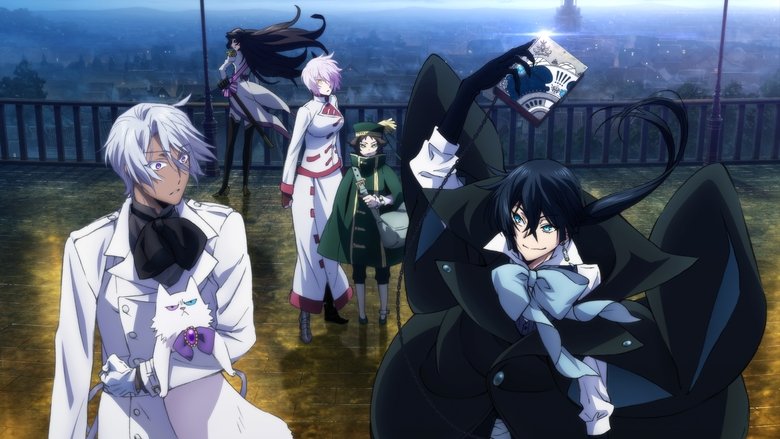
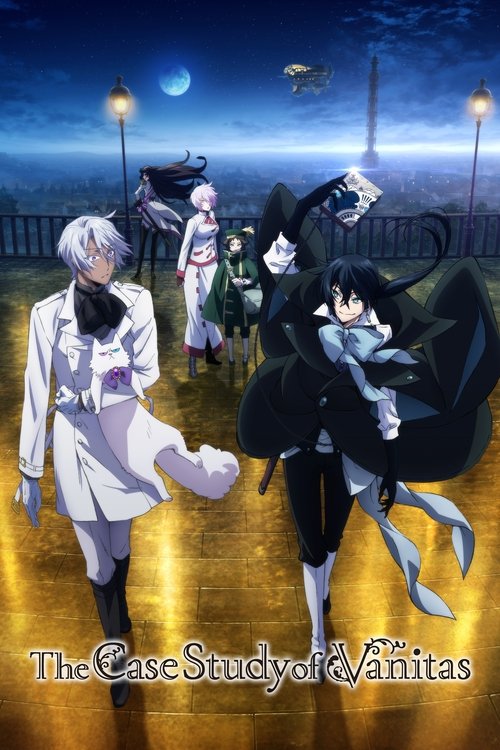
A luminous gothic-steampunk fantasy cloaked in melancholic grandeur, brimming with desperate longing and theatrical defiance, where fragile souls dance across the cobblestones of a gaslit Paris beneath crimson and azure moons.
The Case Study of Vanitas

ヴァニタスの手記

03 July 2021 — 02 April 2022 Japan 1 season 24 episode Ended 8.3 (254)

Cast: Natsuki Hanae, Kaito Ishikawa, Inori Minase, Shino Shimoji, Ai Kayano

Animation Sci-Fi & Fantasy Action & Adventure Mystery Trauma, Self-Loathing, and the Pursuit of Worth Identity, "True Names," and Bodily Autonomy Companionship, Intimacy, and Vulnerability Prejudice, Otherness, and Societal Duality Determinism vs. Personal Agency

The Case Study of Vanitas — Ending Explained

⚠️ Spoiler Analysis

The series subverts its own core mythology through several major plot revelations:

  • The Reality of the Blue Moon Vampire (Luna): Contrary to orthodox vampire myth painting the Blue Moon vampire as a vengeful demon, Luna was a protective, lonely figure who rescued Vanitas (Number 69) and Mikhail (Number 71) from Dr. Moreau's torturous laboratory.
  • The Death of Luna: Vanitas did not kill Luna out of hatred; Luna was infected by a malnomen/curse that began corrupting them, forcing Vanitas to use the Book of Vanitas to mercy-kill the person he loved most. Vanitas's crusade to heal vampires is driven by unresolved guilt and his inability to save Luna.
  • Mikhail's Return: Mikhail, Vanitas's surrogate brother from Moreau's lab who possesses a second Book of Vanitas, returns driven by an obsessive desire to resurrect Luna. Mikhail holds Dominique hostage to force Noé to drink Vanitas's blood, triggering the climactic rooftop duel between Vanitas and Noé.
  • The True Nature of Naenia / Charlatan: Naenia is revealed to be the corrupted, distorted shadow form of the vampire Queen Faustina, acting under the subtle machinations of Noé's Teacher, the Shapeless One (Sensei), who is orchestrating events behind the scenes to manipulate the World Formula.

Alternative Interpretations

The series invites multiple critical readings:

  • A Psychological Allegory for Chronic Illness and Mental Trauma: Many critics interpret the "curse" (malnomen) not as an evil spell, but as a metaphor for mental illness, repressed trauma, and the social ostracization of the sick. Vanitas's medical approach treats patients through empathy and restoring agency rather than executing them.
  • Queer and Intimacy Subtext: The heightened emotional and physical dynamics—particularly the blood-drinking sequences and the intense bond between Vanitas and Noé—have been widely analyzed as an exploration of non-heteronormative intimacy, boundary-pushing companionship, and the blurred lines between romance, obsession, and kinship.
  • Tragic Inevitability vs. Existential Freedom: The story's declared premise that Noé will eventually kill Vanitas frames the entire narrative around Sartre-style existentialist freedom: even if a specific ending is predestined, the authenticity of how one lives and connects in the present provides genuine value.

Explore More About This Movie

Dive deeper into specific aspects of the movie with our detailed analysis pages

Similar Movies