Skip to content
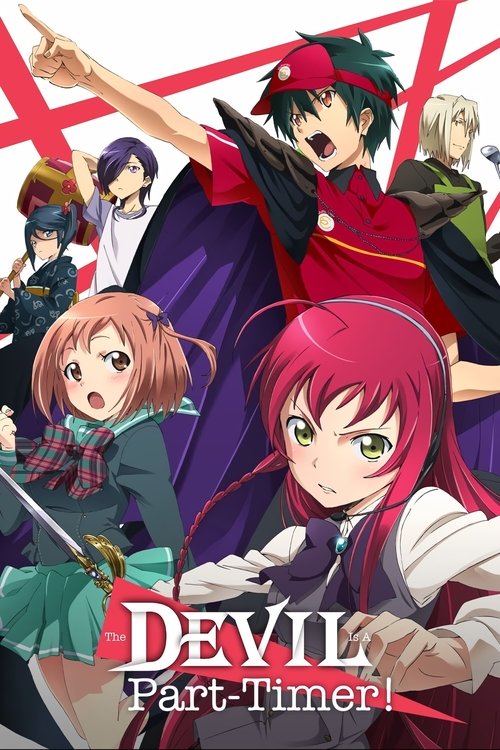
The Devil Is a Part-Timer!
A fantasy comedy that drags a demon overlord out of a burning, war-torn world and into a cramped Tokyo apartment, where conquest shrinks to counter shifts, fry baskets and the stubborn warmth of ordinary life.
The Devil Is a Part-Timer!

はたらく魔王さま!

"Gaining power, one combo meal at a time."

04 April 2013 — 28 September 2023 Japan 2 season 37 episode Ended 7.4 (298)

Cast: Ryota Osaka, Yoko Hikasa, Nao Toyama, Yuki Ono, Hiro Shimono

Animation Sci-Fi & Fantasy Action & Adventure Comedy Redemption and the Ability to Change Work, Class and Everyday Survival Enemies Becoming Family Identity and Dual Lives The Ordinary Colliding with the Extraordinary

The Devil Is a Part-Timer! — Ending Explained

⚠️ Spoiler Analysis

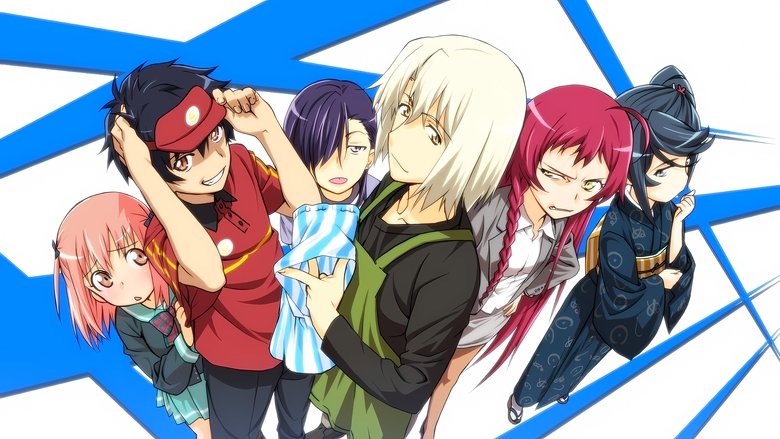
Season 1. Satan and Alciel escape to Earth after Emilia's victory and become Sadao Maou and Shiro Ashiya. Emi tracks them down but hesitates to kill a Maou who seems harmless. The first threats reveal that forces from Ente Isla are working against both of them. Lucifer attacks Sasazuka alongside unexpected allies, and Maou, Emi and Ashiya team up to stop him. Maou's power comes back during the climax, and he uses it to protect and repair instead of to conquer. The defeated Lucifer ends up as the freeloading roommate Hanzo Urushihara. Chiho learns the truth and chooses to stay by Maou's side. The finale brings a private talk between Ashiya and Maou and Emi's unsettling dream of Satan conquering Sasazuka, leaving it open whether Maou's reform is final.

Season 2. The mysterious child Alas Ramus appears and calls Maou and Emi "papa" and "mama." The enemies become co-parents, and the story moves toward domestic comedy while the Ente Isla backstory widens with more visitors, angels and schemes. The second cour, in 2023, digs further into these threads and the characters' tangled loyalties. The anime ends in September 2023 without resolving the novels' larger conflict. Maou's household and the found family around it are the closing picture.

Hidden meaning: looking back, the whole series is about power being given up. Every time Maou gets his magic back, he spends it on other people. His real "conquest" of Sasazuka happens through work and relationships, which may be what Emi's dream was really pointing at.

Alternative Interpretations

Genuine redemption vs. situational goodness. One reading holds that Maou has truly reformed. Another notes that he never gives up his ambition, and that his kindness may come from having no power. Emi's dream of Satan conquering Sasazuka in the Season 1 finale keeps this doubt alive.

Anti-war allegory. The series can be read as questioning propaganda-driven, black-and-white war. Humans and demons each committed atrocities, and removing both sides from the battlefield shows how much of their "evil" was context.

Labor satire vs. labor celebration. Some see the show as mocking the gig economy by putting the Devil himself in a precarious minimum-wage job. Others see a sincere tribute to the dignity of ordinary work.

Season 2 as evolution vs. dilution. Some fans read the shift to domestic co-parenting as the natural next step for the characters. Others see it as losing the Season 1 identity in favor of romance and fan service.

Explore More About This Movie

Dive deeper into specific aspects of the movie with our detailed analysis pages

Similar Movies