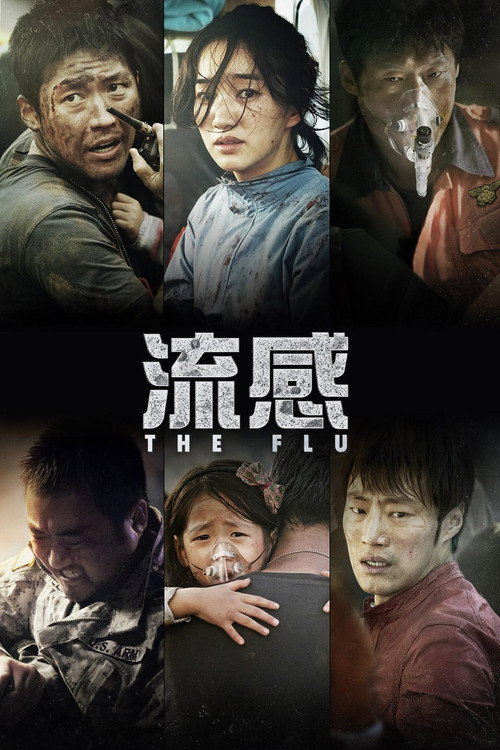
The narrative begins with two human traffickers, brothers Byung-woo and Byung-ki, opening a shipping container in Bundang containing illegal immigrants smuggled from Hong Kong. Every migrant has died in agony from an unidentified mutated H5N1 avian flu strain, except for one man named Monssai. Byung-woo is infected during the inspection and transmits the virus across Bundang before dying at a local hospital.
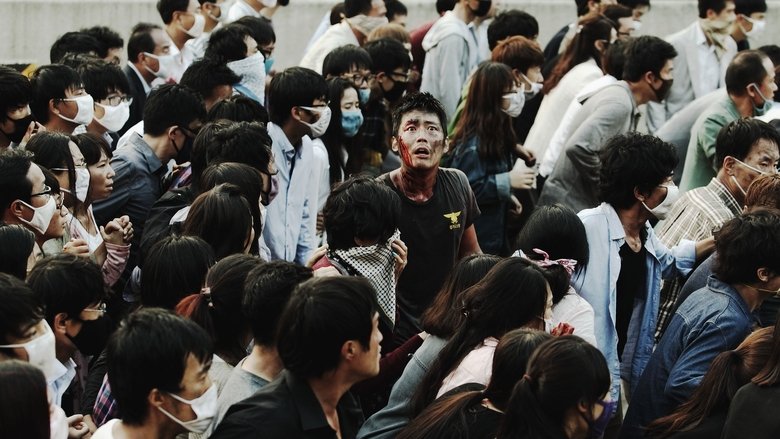
The virus spreads through respiratory droplets across crowded markets, schools, and transit hubs. Dr. Kim In-hae identifies the deadly pathogen, but city administrators delay declaring an emergency out of fear of economic fallout. Within 48 hours, thousands are infected, vomiting blood, and collapsing in the streets. The national government declares martial law, completely cordoning off Bundang. Citizens are herded into a massive containment facility at the Tancheon Sports Complex. In-hae discovers that her daughter Mi-reu has caught the flu. Desperate, she sneaks Mi-reu past screening, risking detection. When Monssai is captured by rescue worker Kang Ji-goo and brought to the medical wing, In-hae recognizes that Monssai's blood contains neutralizing antibodies. She covertly extracts his plasma and injects it into Mi-reu as an experimental serum.
Conditions deteriorate into horror when Ji-goo discovers the government's secret: anyone showing visible symptoms is declared terminal, sealed in plastic bags while still breathing, and tossed into the stadium pitch to be incinerated in mass pits. When Mi-reu’s condition is discovered by quarantine enforcer Jeon Gook-hwan, she is sent to the death pit. Ji-goo plunges into the burning pit, fights off guards, and extracts Mi-reu alive. The revelation of the stadium incineration triggers a full-scale riot. Monssai is murdered during the chaos by Byung-ki, leaving Mi-reu as the only living carrier of antibodies.
The surviving population marches onto the highway toward Seoul. Snyder (the US commander) and the Prime Minister declare the marchers an existential biological threat and order troops to open fire. When soldiers shoot In-hae, Mi-reu runs out between the guns and her mother, crying: "Don't shoot my mommy!" This emotional plea causes the soldiers to lower their weapons. Snyder deploys tactical fighter jets to carpet-bomb the highway. Learning that Mi-reu has survived the infection due to antibodies—meaning a cure exists—the South Korean President intervenes. The President issues a direct command to the Capital Defense Command's surface-to-air missile batteries to target and shoot down any aircraft executing the strike. The bombers abort their run. Mi-reu is transported to Seoul, where her antibodies are used to synthesize a universal vaccine, ending the pandemic.