Skip to content
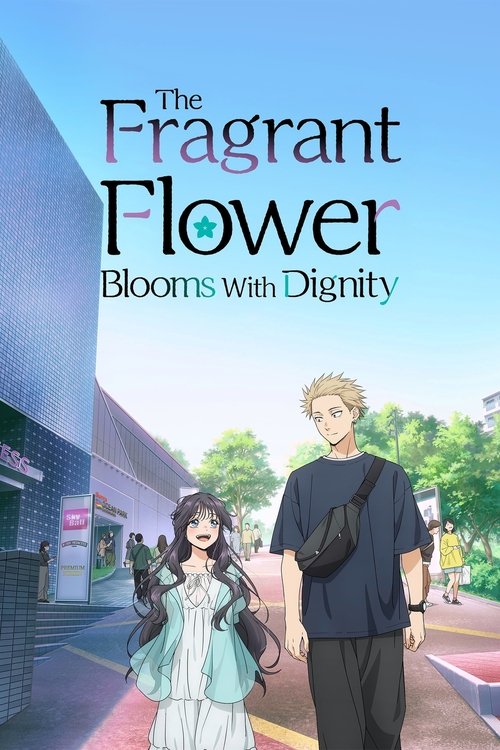
The Fragrant Flower Blooms with Dignity
A luminous coming-of-age romance suffused with gentle empathy, unfolding like wildflowers breaking through concrete walls to bathe bruised, hesitant hearts in morning sunlight.
The Fragrant Flower Blooms with Dignity

薫る花は凛と咲く

06 July 2025 — 28 September 2025 Japan 1 season 13 episode Ended 8.7 (254)

Cast: Yoshinori Nakayama, Honoka Inoue, Kikunosuke Toya, Koki Uchiyama, Hiiro Ishibashi

Drama Animation Deconstruction of Prejudice and First Impressions Self-Acceptance and Overcoming Internalized Shame Radical Vulnerability and Open Communication The Protective and Healing Nature of Found Friendship

The Fragrant Flower Blooms with Dignity — Ending Explained

⚠️ Spoiler Analysis

The 13-episode series adapts the foundational story arc of the manga. Beginning with Rintaro hiding his identity as a Chidori boy out of shame, the central turning point arrives when Kaoruko catches him looking into her classroom, forcing them to acknowledge the reality of their schools' bitter divide.

The primary external conflict of the season emerges when Subaru discovers their connection and attempts to sever it, motivated by past experiences with male harassment. Instead of retaliating with hostility, Rintaro demonstrates restraint and empathy, earning Subaru's reluctant respect after an incident where Rintaro's friends protect them from belligerent street delinquents. As the season progresses, the boundary wall between the groups dissolves during a joint study session where Saku and Shohei integrate Subaru into their circle.

In Episode 10, Rintaro's domestic past is unraveled: his dyed hair and withdrawal were reactions to middle school teachers and peers who falsely accused him of violence based on his looks, a trauma healed in part by his mother's nurturing environment. The climax across Episodes 12 and 13 takes place during the summer break. Away from the oppressive shadow of Kikyo and Chidori, Kaoruko and Rintaro navigate their feelings at the seaside. In the finale, the perspective shifts to Kaoruko, revealing that her attachment to Rintaro was never accidental—she had admired his quiet gentleness from their very first bakery encounter. The season concludes with both openly professing their commitment to stand together regardless of school prejudices, setting the stage for a fully acknowledged, mature relationship.

Alternative Interpretations

Different ways to interpret the narrative include:

  • The Sociological Allegory: Many critics view the neighboring schools not merely as a romantic hurdle, but as a direct critique of Japan's stratified education system and class elitism. Kikyo represents hereditary privilege and social conformity, while Chidori represents the working-class youth prematurely written off by society.
  • Psychological Projection vs. True Connection: Some viewers interpret Rintaro’s early attraction to Kaoruko as an idealized projection of pure acceptance rather than romantic readiness. In this reading, Rintaro had to first learn self-compassion before his affection could genuinely mature into adult romantic love.
  • Subaru’s Subtextual Journey: Subaru’s intense territoriality over Kaoruko is read by portions of the audience either as deep platonic co-dependency stemming from trauma, or as a veiled exploration of unvoiced romantic devotion, adding layers to her eventual acceptance of Rintaro.

Explore More About This Movie

Dive deeper into specific aspects of the movie with our detailed analysis pages

Similar Movies