Skip to content
The Swordsman
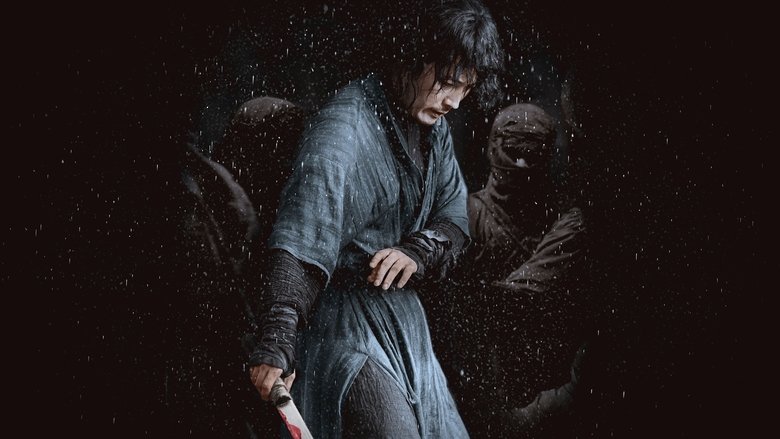
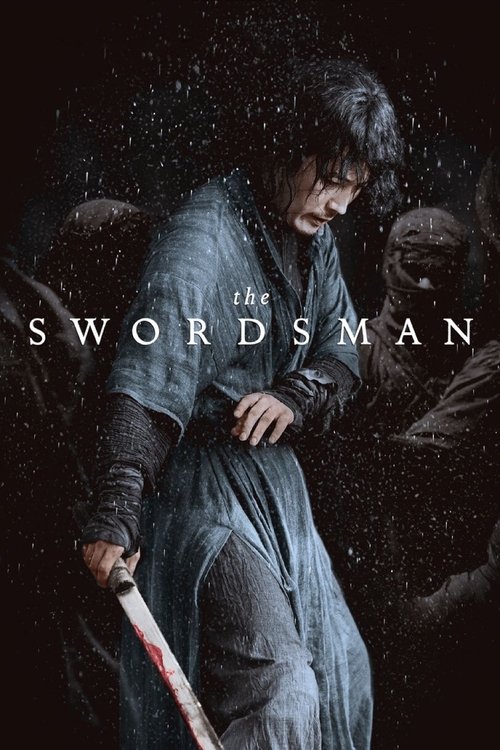
A brooding historical martial-arts thriller bathed in misty mountain blues and crimson steel, capturing fierce filial devotion through the visual metaphor of a broken blade cutting through creeping darkness.
The Swordsman
The Swordsman

검객

"Real chase action."

23 September 2020 South Korea 101 min 7.5 (296)

Director: Choi Jae-hoon

Cast: Jang Hyuk, Kim Hyeon-soo, Joe Taslim, Jeong Man-sik, Jang Hyun-sung

Drama History Action Paternal Devotion & Chosen Family Personal Honor vs. Corrupt State Politics Physical Vulnerability vs. Inner Mastery (Perception) National Sovereignty, Exploitation, and the Cost of Survival
Box Office: $1,516,150

The Swordsman — Ending Explained

⚠️ Spoiler Analysis

Late-stage flashbacks reveal the film's major twist: Tae-ok is not Tae-yul's biological daughter, but the secret infant princess of the deposed King Gwanghaegun. Entrusted to Tae-yul during the night of the coup, he chose to raise her in complete anonymity in the mountains to protect her from political execution.

As the narrative culminates, Min Seung-ho seeks atonement for Joseon's humiliation and duels Gurutai to uphold martial honor, sacrificing his life in the process. Tae-yul then mounts a solitary assault on the Qing fortress, cutting through riflemen and infantry. During the climactic duel with Gurutai, Tae-yul's eyesight fails completely into total darkness. Relying purely on blade vibrations, footsteps, and breath sounds, Tae-yul parries Gurutai's dual swords and strikes him down.

In the resolution, despite learning of her royal heritage, Tae-ok rejects dynastic claims to stay with Tae-yul. The film ends with Tae-ok taking her blind father by the hand and leading him peacefully back into the misty sanctuary of the mountains, affirming that their paternal bond transcends royal blood.

Alternative Interpretations

The narrative can be analyzed through several distinct thematic frameworks:

  • The Political Allegory Reading: The Qing exploitation and Joseon officials' submission can be viewed as an allegory for modern geopolitical pressures faced by smaller peninsula nations situated between dominant global superpowers.
  • The Inner Vision (Buddhist/Daoist) Reading: Tae-yul's journey portrays sensory transcendence, where the loss of external sight strips away worldly deception and ego, leading to an intuitive harmony that makes him spiritually and martially invincible.
  • The Anti-Feudal Deconstruction: The story deconstructs rigid neo-Confucian ideals of dying for the crown, proposing that genuine humanity lies in everyday familial love rather than blind loyalty to a monarch.

Explore More About This Movie

Dive deeper into specific aspects of the movie with our detailed analysis pages

Similar Movies