Skip to content
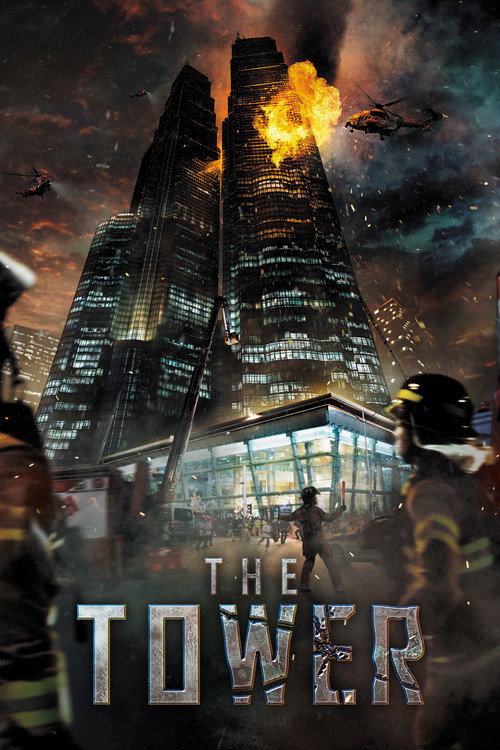
The Tower
A Christmas Eve spectacle where glittering luxury turns to inferno: fear, sacrifice and fragile hope blaze through a Seoul skyscraper, as ordinary people climb through smoke toward a single flicker of rescue.
The Tower
The Tower

타워

"Tower Sky. 108 Stories. Survive at any cost."

25 December 2012 South Korea 121 min 7.0 (327)

Director: Kim Ji-hoon

Cast: Sul Kyung-gu, Son Ye-jin, Kim Sang-kyung, Jo Min-ah, Do Ji-han

Drama Action Sacrifice and Heroism Family and Love Class and Social Hierarchy Negligence and corporate greed Faith and fate
Box Office: $36,531,605

The Tower — Ending Explained

⚠️ Spoiler Analysis

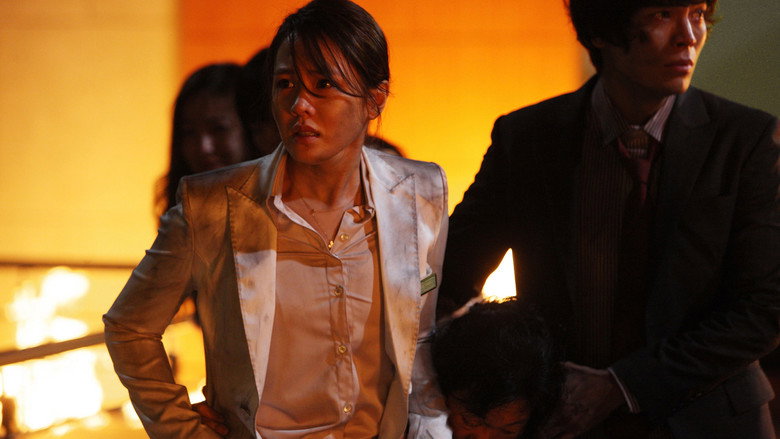
The fire begins small, and the warnings about the building's systems have already been ignored. A helicopter accident then turns it into a major blaze, trapping party guests, staff and visitors high in the towers. Dae-ho and Yoon-hee try to protect Hana and others while Young-gi's team goes in to rescue people. The film follows several escape attempts and rescue set pieces, in which each ensemble character gets a moment, and some are written as obvious candidates for death.

Young-gi, the legendary captain, gives his life in the rescue; a Korean source notes explicitly that, unlike the captain in The Towering Inferno, he does not survive. His promised Christmas date with his wife is therefore never kept. A reviewer calls the final scene the most emotional in the film. It is shot from a distance without audible dialogue. A character's partner is told what the disaster has cost her family, and she collapses in tears. The ending turns the film from a spectacle into a story of loss, and it makes the hidden meaning of the opening promises clear: every ordinary plan for Christmas Eve was a stake the disaster would take.

Alternative Interpretations

Some viewers read the film as a straightforward popcorn disaster movie, with the social commentary as decoration. One reviewer said the rich-versus-poor angle goes nowhere and is mostly played for laughs. Others see the lack of sprinklers as pointed criticism of cost-cutting and corporate negligence in Korean building culture. The depiction of the devout Christians is read either as gentle comedy or as a stark, mocking portrayal of religion, and the final scene of a bereaved family member breaking down can be read as the film's real moral center, a reminder of the human cost behind the spectacle.

Explore More About This Movie

Dive deeper into specific aspects of the movie with our detailed analysis pages

Similar Movies