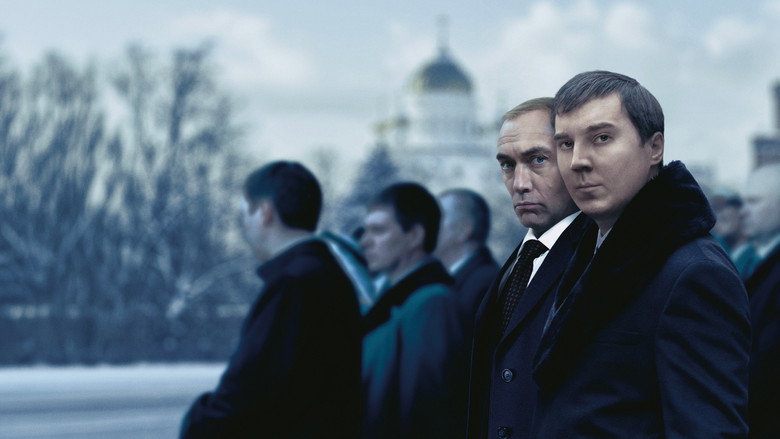
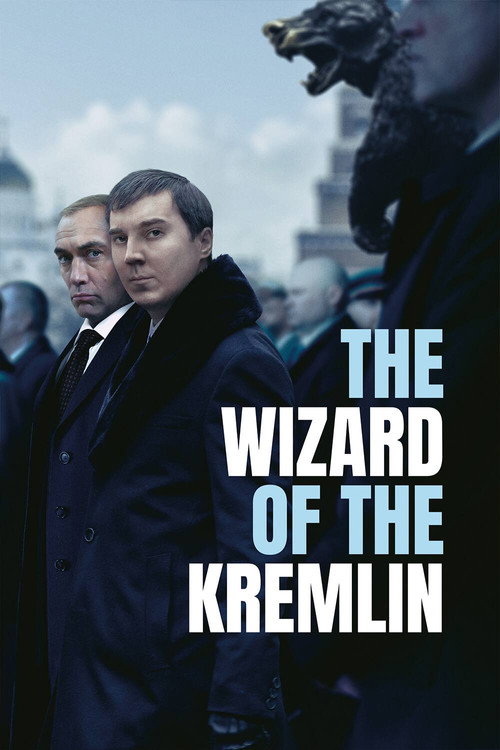
The Framing Narrative (2019): American scholar Lawrence Rowland travels to Moscow and enters an anonymous online debate regarding dystopian author Yevgeny Zamyatin. He is contacted by an emissary and driven into the frozen countryside to the heavily guarded dacha of Vadim Baranov, who has vanished from public life.
The Rise through Chaos (1990s): Baranov recounts his early days as an avant-garde theater director in the wild aftermath of the USSR's collapse. Moving into commercial television, he observes the moral vacuum of 1990s oligarch capitalism. Tycoon Boris Berezovsky recruits him to polish the image of state power.
Molding the Tsar (1999–2000s): Baranov meets Vladimir Putin, an unassuming ex-KGB officer. Baranov crafts a media campaign framing Putin as the decisive, incorruptible protector of Russian order, utilizing the Second Chechen War to cement his stature.
The Architecture of Chaos: Once in power, Baranov designs a strategy of "controlled opposition"—funding radical youth groups, liberal dissidents, and ultra-nationalists simultaneously to keep society disoriented and unable to unite against the Kremlin. He orchestrates the downfall of oligarchs like Dmitri Sidorov (Khodorkovsky stand-in) and Berezovsky to establish the state's absolute supremacy.
The Breaking Point and Climax: Over time, Putin no longer requires Baranov’s stagecraft; the leader embraces actual military force and hardline revanchism. Baranov's personal life with Ksenia collapses under surveillance and moral rot. Recognizing he has become expendable, Baranov quietly requests permission to retire—a rare concession granted by the Tsar.
Ending: In the present day, Baranov concludes his confession to Rowland. He admits that the supreme irony of his life is that he believed he was directing a play, only to realize that the machine of totalitarian power runs on its own momentum, indifferent to the artists who set it in motion. Rowland departs into the snowy expanse, leaving Baranov alone in his gilded, silent cage.