Skip to content
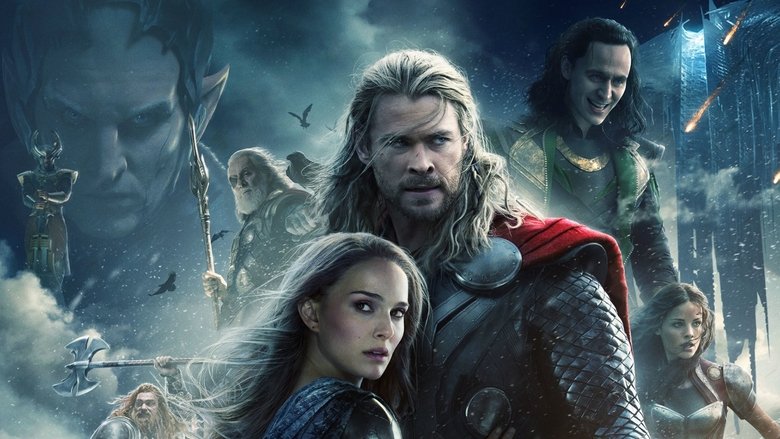
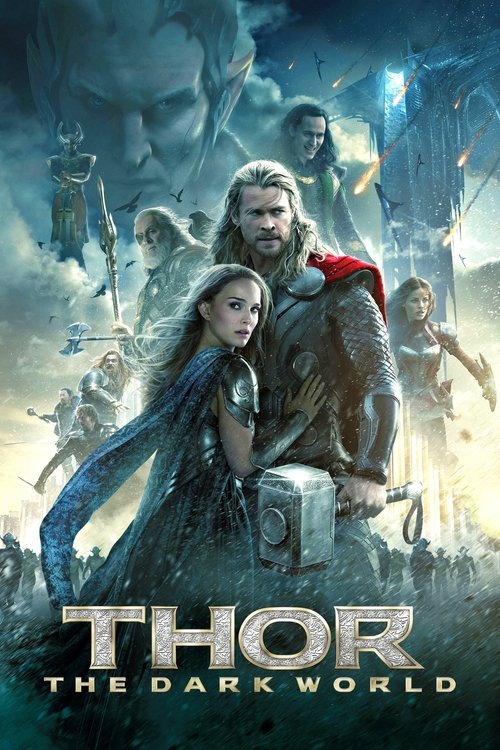
Thor: The Dark World
Amidst a dark fantasy realm plagued by ancient shadows, a tale of grief and shattered trust unfolds like a crimson star bleeding into a cosmic void, where warring brothers dance on the knife-edge of destruction.
Thor: The Dark World

"Delve into the darkness."

30 October 2013 United States of America 112 min 6.5 (18,569)

Director: Alan Taylor

Cast: Chris Hemsworth, Natalie Portman, Tom Hiddleston, Christopher Eccleston, Anthony Hopkins

Fantasy Action Adventure Duty vs. Personal Conscience Brotherly Love, Trust, and Betrayal Grief and the Cost of Revenge Light vs. Darkness / Universal Balance The Burden of Legacy and Royalty
Budget: $170,000,000
Box Office: $644,783,140

Thor: The Dark World — Ending Explained

⚠️ Spoiler Analysis

The Svartalfheim Gambit: Thor breaks Loki out of Asgard’s prisons with the help of Heimdall, Sif, and the Warriors Three. On Svartalfheim, Loki seemingly betrays Thor, slicing off his hand and handing Jane over to Malekith. However, this is an illusion. Once Malekith draws the Aether out of Jane’s body, Thor reveals his intact hand and summons Mjölnir to destroy the exposed entity. The plan partially fails because the Aether is indestructible, allowing Malekith to absorb it and escape.

Loki’s Death Fake-Out: During the battle on Svartalfheim, the Dark Elf brute Kurse impales Loki. Loki activates an implosion grenade on Kurse, killing him, but appears to die in Thor’s arms. A guard later reports Loki’s death to Odin in Asgard.

The Battle of Greenwich: Malekith travels to London, where the Nine Realms align at the center of the Convergence. Thor and Jane use scientific portal-generating rods designed by Erik Selvig to transport Malekith across dimensions. Thor uses his hammer to strike the rods through Malekith, teleporting the Dark Elf back to Svartalfheim, where his falling ship crushes him.

The Ending Twist: Thor returns to Asgard and tells Odin he cannot accept the crown, choosing instead to live on Earth with Jane. Odin respects his choice and bids him farewell. As Thor exits, "Odin" transforms, revealing himself to be Loki, who faked his death on Svartalfheim, deposed/displaced the real Odin, and seized control of Asgard disguised as the Allfather.

Alternative Interpretations

1. The Tragedy of Loki's Cycle: Critics and fans argue whether Loki's redemption in the film is genuine or entirely manipulative. One reading suggests Loki genuinely loves his family (evident in his reaction to Frigga's death) but cannot break free from his compulsion for power. Another reading views his sacrifice on Svartalfheim as a calculated staged act designed specifically to fake his death and take Odin's throne.

2. Deconstruction of Divine Royalty: The film can be viewed as an implicit critique of Asgardian imperialism. Odin’s willingness to sacrifice Earth and his lies regarding King Bor’s history showcase that Asgard’s "golden age" is built on hidden violence.

3. A Metaphor for Post-Traumatic Stress: Both Thor and Erik Selvig display signs of trauma following the events of The Avengers. Selvig’s manic behavior and naked breakdown at Stonehenge mirror psychological distress, while Thor’s somber attitude reflects the emotional weight of his brother's prior actions.

Explore More About This Movie

Dive deeper into specific aspects of the movie with our detailed analysis pages

Similar Movies