Skip to content
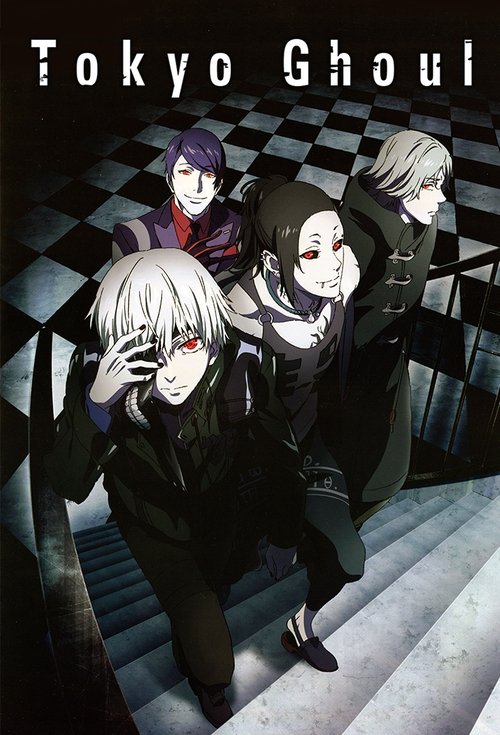
Tokyo Ghoul
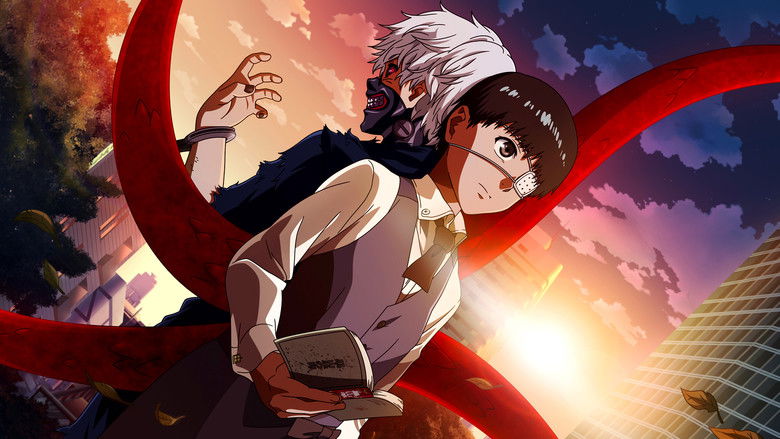
Drenched in urban dark fantasy and visceral psychological horror, Tokyo Ghoul evokes a suffocating agony that fractures into triumphant resilience. It mirrors a pristine white rose drowning in crimson blood, blooming into monstrous rebirth.
Tokyo Ghoul
Tokyo Ghoul

東京喰種トーキョーグール

"He is what he eats and that's the problem."

04 July 2014 — 25 December 2018 Japan 4 season 48 episode Ended 8.3 (2,571)

Cast: Natsuki Hanae, Sora Amamiya, Shintaro Asanuma, Takahiro Sakurai, Sumire Morohoshi

Drama Animation Sci-Fi & Fantasy Duality and the Crisis of Identity The Cycle of Violence and Grief Trauma, Pain, and Identity Transformation Systemic Corruption and Deceptive Morality Belonging and Found Family

Tokyo Ghoul — Ending Explained

⚠️ Spoiler Analysis

The overarching plot reveals that the human-ghoul conflict was orchestrated from the shadows. Rize's steel beam "accident" in Episode 1 was intentionally engineered by Furuta Nimura and the Clowns to allow Dr. Kanou to create half-ghoul hybrids. The CCG's ruling family, the Washuu Clan, are secretly ghouls themselves who controlled Tokyo's law enforcement to keep both species in a controlled loop of slaughter.

Kishou Arima and Eto Yoshimura (the One-Eyed Owl) were secret co-conspirators who created the legend of the "One-Eyed King" as a symbol to eventually unite ghouls. Furuta later forces Kaneki to consume massive amounts of Oggai squad ghouls, mutating Kaneki into a colossal biological parasite named "Dragon" that destroys Tokyo. Dragon's toxins turn normal humans into ghouls, rendering the biological boundary obsolete.

In the finale, Kaneki destroys Dragon and defeats Furuta. Humans and Ghouls unite to save their shared city, discovering synthetic food substitutes that allow ghouls to eat without harming humans, creating an era of true coexistence.

Alternative Interpretations

Psychological/Mental Health Allegory: Viewers and critics often interpret Kaneki’s ghoul transformations as a metaphor for severe trauma, dissociation, and struggle with mental illness. His shifting personas (Haise, Black Reaper, Dragon) reflect complex identity dissociation stemming from extreme abuse.

Social Marginalization & Xenophobia: The conflict between Ghouls and CCG serves as a political commentary on how societies demonize marginalized groups. Because ghouls are born needing human flesh to live, they represent individuals born into structural circumstances that society deems unacceptable, forcing them into systemic violence.

Explore More About This Movie

Dive deeper into specific aspects of the movie with our detailed analysis pages

Similar Movies