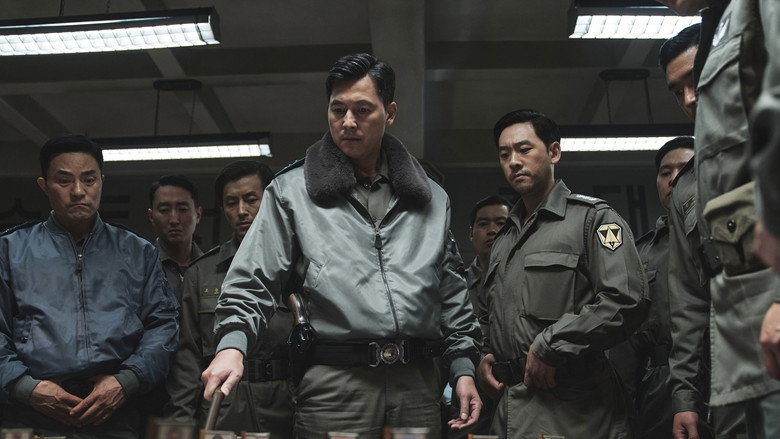
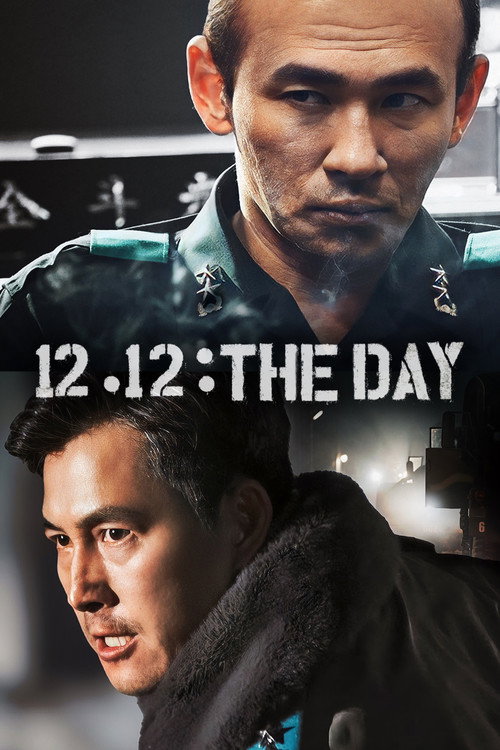
Plot Walkthrough & Twists:
- The Initial Strike: Chun Doo-gwang's agents illegally abduct Army Chief of Staff General Jeong Sang-ho at his residence under the false pretext that he was involved in President Park's assassination.
- The Diversionary Trap: To prevent loyalist garrison commanders from responding, Chun invites them to a banquet in Yeonhui-dong far from their command centers. Realizing something is wrong, Lee Tae-shin rushes back to headquarters.
- The Battle for Troops: Chun mobilizes frontline combat units—including the 1st Airborne Brigade and Roh Tae-gun's 9th Infantry Division—redirecting troops from the North Korean border toward Seoul. Lee Tae-shin blocks key bridges and routes, creating severe delays.
- The Defense Minister's Cowardice: The Defense Minister flees his quarters in pajamas and hides at the US-ROK Combined Forces Command, leaving loyalists without official authorization to engage rebel forces.
- The Broken Truce: Outmaneuvered, Chun agrees to a "gentleman's agreement" to pull back rebel troops if loyalists withdraw theirs. Lee honors the agreement, but Chun secretly orders his troops to double back and invade Army HQ.
- The Climax at Gwanghwamun: Left completely isolated after Army HQ falls, Lee Tae-shin gathers roughly 100 headquarters staff, clerks, and a handful of tanks to set up barricades at Gwanghwamun Plaza against thousands of heavily armed rebel troops.
- The Final Resolution: Before shots are fired, the captured Defense Minister resurfaces and orders Lee Tae-shin to stand down, declaring Jeong Sang-ho's arrest legal. Lee Tae-shin is beaten, stripped of rank, and dragged into custody.
Ending & Hidden Meanings: After winning the coup, Chun Doo-gwang walks into a dimly lit restroom alone and erupts into a manic, demonic, hysterical laugh—a disturbing breakdown revealing that the coup was a desperate gamble by a sociopath who got away with treason. The film closes with the victorious officers posing for a triumphant group photograph, accompanied by onscreen text outlining how Chun and his co-conspirators went on to rule South Korea for over a decade before facing late-life trials.