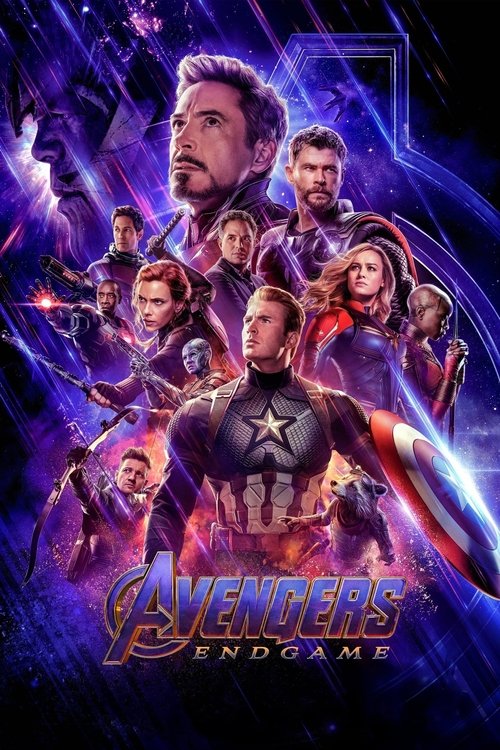
Avengers: Endgame
A somber yet epic sci-fi adventure where shattered heroes confront cosmic grief, wielding hope as their last weapon in a desperate, time-bending ballet to reclaim a lost universe.
Avengers: Endgame

Avengers: Endgame

"Avenge the fallen."

24 April 2019 United States of America 181 min ⭐ 8.2 (26,787)
Director: Joe Russo Anthony Russo
Cast: Robert Downey Jr., Chris Evans, Mark Ruffalo, Chris Hemsworth, Scarlett Johansson
Action Adventure Science Fiction
Sacrifice and Loss Hope and Perseverance The Passage of Time and Moving On Redemption and Second Chances
Budget: $356,000,000
Box Office: $2,799,439,100

Overview

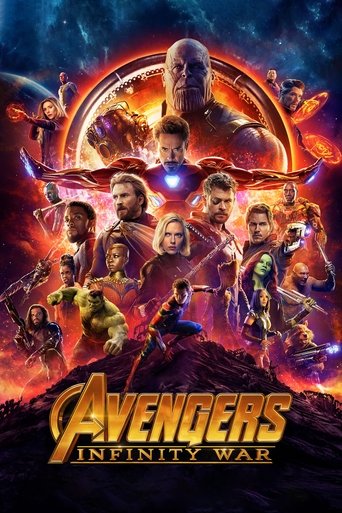
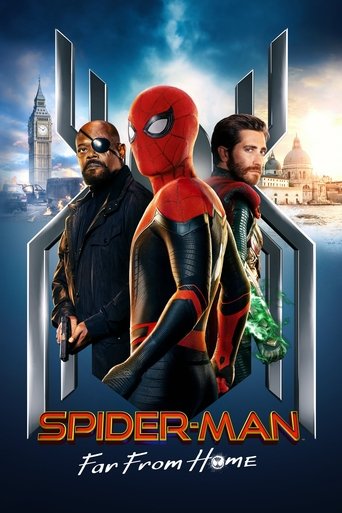
Following the catastrophic events of Avengers: Infinity War, the universe lies in ruins after the Mad Titan, Thanos, successfully collected all six Infinity Stones and wiped out half of all life. The remaining Avengers, scattered and defeated, are left to pick up the pieces of a broken world. Five years later, a glimmer of hope emerges when Scott Lang (Ant-Man) escapes the Quantum Realm, bringing with him a potential solution: time travel.

Forced to reunite, the original Avengers—Iron Man, Captain America, Thor, Hulk, Black Widow, and Hawkeye—along with their remaining allies, must embark on a perilous journey into the past to retrieve the Infinity Stones before Thanos can. This 'Time Heist' sends them back to pivotal moments in their own history, forcing them to confront past selves, old enemies, and painful memories.

As they race against time across different timelines, the Avengers must grapple with the immense risks and personal sacrifices required to restore balance to the universe. Their mission is a desperate final stand, a culmination of their entire journey, where the fate of everyone and everything hangs in the balance, testing their bonds and forcing them to confront the true cost of heroism.
Core Meaning

The core meaning of Avengers: Endgame revolves around the themes of hope, sacrifice, and the enduring nature of heroism in the face of insurmountable loss. The film explores the profound impact of grief and failure on its heroes, portraying them not as invincible icons, but as vulnerable individuals struggling to move on. The narrative suggests that true heroism isn't about never falling, but about the courage to rise again, to fight for what was lost, no matter the odds. It posits that moving forward doesn't mean forgetting the past, but rather drawing strength from it to build a better future.

Ultimately, the director's message is that legacy is defined by the sacrifices made for the greater good. Tony Stark's journey from a self-serving industrialist to a selfless savior encapsulates this idea, culminating in the ultimate sacrifice to ensure the universe's survival. The film serves as a poignant farewell, emphasizing that 'part of the journey is the end' and that even in endings, there can be meaning, redemption, and the seeds of a new beginning.

Thematic DNA

Sacrifice and Loss 35%
Hope and Perseverance 30%
The Passage of Time and Moving On 20%
Redemption and Second Chances 15%

Sacrifice and Loss

The theme of sacrifice is central to Endgame, woven into the arcs of nearly every main character. The film opens with the universe grappling with the ultimate loss, and the heroes are defined by what they are willing to give up to undo it. Black Widow's sacrifice on Vormir is a pivotal and tragic moment, where she gives her life so the team can acquire the Soul Stone, a conscious choice to save the family she found. This culminates in Tony Stark's final act, where he sacrifices his own life—his future with his family—to wield the Infinity Stones and defeat Thanos, completing his journey from a selfish playboy to the universe's savior. The film posits that victory and redemption come at the highest possible cost.

Hope and Perseverance

Despite its somber tone, Endgame is fundamentally a story about hope. After five years of despair, the slim possibility of reversing 'The Snap' ignites a renewed sense of purpose among the broken heroes. Captain America embodies this theme, constantly reminding the team to 'move on' but 'not us,' signifying their refusal to accept defeat. The 'Time Heist' itself is an act of audacious hope, a 'one in fourteen million' chance that they pursue with unwavering determination. The film argues that even in the darkest of times, hope is the catalyst for action and that perseverance, against all odds, can change the fate of the universe.

The Passage of Time and Moving On

The five-year time jump is crucial, as it forces each character to confront their grief and the new reality in different ways. Some, like Tony, try to build a new life and move on, while others, like Steve and Natasha, remain anchored to the past, unable to let go. The time travel plot allows the heroes to literally revisit their pasts, not just to correct a mistake, but to gain closure and perspective. Thor's conversation with his mother and Tony's meeting with his father are key examples. The film explores the complex tension between accepting the past and fighting to change it, ultimately suggesting that while one must learn to live with loss, it is also essential to fight for a better future.

Redemption and Second Chances

Many characters in Endgame are on a path to redemption. Thor, broken by his failure to stop Thanos in Infinity War, must rediscover his worthiness. Hawkeye, who became the vengeful vigilante Ronin after losing his family, is brought back into the fold by Natasha, seeking to earn back the life he lost. Even Nebula's arc is one of redemption, as she confronts her past self and abusive father, ultimately choosing to fight alongside the heroes. The film's entire plot is a quest for a second chance, not just for the half of the universe that vanished, but for the heroes who survived and were left to bear the weight of their failure.

Character Analysis

Tony Stark / Iron Man

Robert Downey Jr.

Archetype: The Redeemed Hero
Key Trait: Ingenuity and Self-Sacrifice

Motivation

Initially motivated by the guilt of not being able to stop Thanos and the desire to bring back Peter Parker, his ultimate motivation becomes the protection of his family and the future of the universe. He makes the final sacrifice to ensure his daughter, Morgan, can grow up in a safe world.

Character Arc

Tony Stark's arc comes full circle, from the 'genius, billionaire, playboy, philanthropist' who was initially self-serving, to a selfless hero who makes the ultimate sacrifice. Having found a peaceful family life after the snap, he is initially hesitant to risk it. However, his conscience and sense of responsibility compel him to solve time travel. His journey concludes with him sacrificing his own life to defeat Thanos, proving Captain America's initial judgment of him in the first Avengers film wrong. It is the culmination of his journey from narcissism to true heroism.

Steve Rogers / Captain America

Chris Evans

Archetype: The Steadfast Hero
Key Trait: Leadership and Morality

Motivation

Driven by a profound sense of duty and the inability to accept failure when lives are at stake. He is motivated by the mantra 'we lost, and you weren't there,' a sentiment he expresses to Tony. His personal motivation throughout the series has been the lost chance at a life with Peggy Carter, a desire he ultimately fulfills.

Character Arc

Steve Rogers, the man out of time, has spent his modern life fighting one war after another, never stopping to live for himself. In Endgame, he holds the fractured team together with his unwavering hope. His arc is about finally finding peace. After a lifetime of selfless duty, he proves his ultimate worthiness by wielding Mjolnir. His final act is to return the Infinity Stones to their proper timelines, but instead of returning to the present, he chooses to stay in the past and live the life he was denied with Peggy Carter, finally putting the soldier to rest.

Thor

Chris Hemsworth

Archetype: The Fallen Hero
Key Trait: Resilience and Self-Acceptance

Motivation

Initially, his motivation is revenge against Thanos. However, his deeper motivation is to overcome his profound sense of failure and find a new purpose. He needs to believe he is still a hero after suffering immense loss and making a critical mistake in Infinity War.

Character Arc

Thor is arguably the most broken of the Avengers. Consumed by failure and grief after not stopping Thanos, he retreats into a life of depression, alcoholism, and isolation in New Asgard. His journey in Endgame is not about regaining a throne, but about rediscovering his self-worth. A conversation with his mother, Frigga, in the past helps him realize that true strength lies in accepting who he is, not who he's supposed to be. He learns that he is still worthy, even in his broken state. By the end, he cedes the throne of New Asgard to Valkyrie and joins the Guardians of the Galaxy, choosing to find his own path rather than follow a predetermined destiny.

Natasha Romanoff / Black Widow

Scarlett Johansson

Archetype: The Martyr
Key Trait: Loyalty and Determination

Motivation

Her primary motivation is to bring back her lost family and restore the world. Having found a home and a purpose with the Avengers, she is driven by a fierce loyalty and a desire to make up for her past, doing 'whatever it takes' to give everyone a second chance.

Character Arc

Natasha's arc is about finding her place and purpose within the Avengers, the family she never had. She transitions from a lone spy with 'red in her ledger' to the person holding the remnants of Earth's heroes together during the five-year gap. She is the emotional core of the team. Her journey culminates in a selfless act of sacrifice on Vormir, where she gives her life to obtain the Soul Stone, ensuring that her found family has a chance to win. Her sacrifice is a testament to her love for her friends and her complete transformation into a true hero.

Symbols & Motifs

Captain America's Broken Shield

Meaning:

The shield, a symbol of hope and unwavering resilience, being shattered by Thanos represents the complete and utter defeat of the Avengers and the despair that follows. However, an aged Steve passing on a new, whole shield to Sam Wilson at the end symbolizes the passing of a legacy and the continuation of hope for a new generation of heroes.

Context:

During the final battle, Thanos breaks Captain America's vibranium shield with his double-bladed sword, a moment of profound visual defeat for the hero. Later, at the film's conclusion, an elderly Steve Rogers presents a pristine version of the shield to Sam Wilson (Falcon), anointing him as the new Captain America, signifying that the ideal is more enduring than the man or the object.

Mjolnir (Thor's Hammer)

Meaning:

Mjolnir symbolizes worthiness and the validation of a hero's character. Captain America being able to lift the hammer is a powerful confirmation of his unwavering moral compass and intrinsic goodness. For Thor, reclaiming it, even temporarily, is a step in overcoming his depression and self-doubt, reminding him that he is still worthy despite his perceived failures.

Context:

In a desperate moment during the final fight against Thanos, Mjolnir flies into Captain America's hand, proving he has always been worthy. The entire theater audience often erupted in cheers at this moment. Earlier, when Thor travels back to 2013 Asgard, he summons the hammer, and its return to his hand brings him a profound sense of relief and renewed purpose.

The Infinity Gauntlet / Nano Gauntlet

Meaning:

The gauntlet represents immense power and the ability to reshape reality itself, but also the immense burden and cost of that power. Thanos's gauntlet is a tool of destruction born from a twisted sense of order, while the Nano Gauntlet created by the Avengers is a tool of restoration and sacrifice. Wielding it requires an immense sacrifice, as seen with both Hulk and Iron Man.

Context:

Thanos uses his completed Infinity Gauntlet at the end of Infinity War to erase half of life. In Endgame, the Avengers build their own 'Nano Gauntlet' to reverse the snap. Hulk, strong enough to withstand the gamma radiation, performs the reverse snap but is severely injured. In the final moments of the battle, Tony Stark uses the stones in his own suit to perform the final snap, sacrificing his life to destroy Thanos and his army.

The Final 'Clang' Sound

Meaning:

The sound of a hammer hitting an anvil, which plays over the Marvel Studios logo at the very end of the credits, symbolizes the full-circle journey of the Marvel Cinematic Universe's 'Infinity Saga.' It is a direct callback to its beginning, honoring the character who started it all.

Context:

Instead of a post-credits scene, the film ends with the sound of Tony Stark forging his first Iron Man armor in a cave back in the 2008 film Iron Man. This serves as a poignant and sentimental tribute to Tony Stark's legacy and the origin of the entire MCU.

Memorable Quotes

I love you 3000.

— Morgan Stark / Tony Stark

Context:

Tony's daughter, Morgan, says this to him as he's putting her to bed. Tony later repeats the line in his posthumous holographic message to his family, turning a sweet family moment into a heartbreaking and iconic farewell that resonated deeply with audiences worldwide.

Meaning:

This simple, childish expression of love becomes the emotional anchor of the film and a poignant symbol of what Tony Stark is fighting for and ultimately sacrifices himself to protect. It encapsulates his entire character arc, from a self-obsessed billionaire to a loving father whose final act is driven by this love.

Avengers... Assemble.

— Steve Rogers / Captain America

Context:

As all the resurrected heroes appear through portals behind Captain America, he stands alone against Thanos's entire army. He tightens his broken shield to his arm, Mjolnir in his other hand, and calmly speaks the line into his comms, signaling the charge of the unified army of heroes in the final battle for the fate of the universe.

Meaning:

This is the iconic battle cry that fans had been waiting to hear since the first Avengers film. Its delivery at the climax of the final battle signifies the ultimate rally of heroes, the turning of the tide against Thanos, and the culmination of the entire Marvel Cinematic Universe saga up to that point. It's a moment of pure, unadulterated fan service that delivers an immense emotional and triumphant punch.

I am Iron Man.

— Tony Stark / Iron Man

Context:

In the climax of the final battle, as Thanos, wearing the Infinity Gauntlet, declares 'I am inevitable' and prepares to snap his fingers, Tony reveals he has used his nanotech to transfer the Infinity Stones to his own suit. He delivers the line and snaps his fingers, wiping out Thanos and his army at the cost of his own life.

Meaning:

This quote brings Tony Stark's journey full circle. It was his final line in the first Iron Man film, where he arrogantly revealed his identity to the world. In Endgame, he says it as an act of ultimate, selfless sacrifice. It's a declaration that his entire journey, his very identity as Iron Man, has led to this singular moment of saving the universe.

Part of the journey is the end.

— Tony Stark / Iron Man

Context:

Tony records a message for Pepper Potts while stranded in space at the beginning of the film, believing he is about to die. The line is used in trailers and sets a melancholic yet accepting tone for the culmination of the Infinity Saga.

Meaning:

This quote serves as a poignant thesis for the entire film. It speaks to the themes of acceptance, finality, and the bittersweet nature of conclusions. It's Tony's way of accepting his own potential demise and comforting those he will leave behind, framing the end not as a failure, but as a natural and meaningful part of any story.

Whatever it takes.

— Steve Rogers / Captain America

Context:

Steve says this to Natasha as they plan the 'Time Heist,' solidifying their resolve to proceed with the incredibly dangerous plan. The line is repeated by other Avengers, including Clint and Tony, becoming a recurring mantra for their desperate final stand.

Meaning:

This phrase becomes the unofficial motto of the Avengers' mission. It encapsulates their desperation, determination, and willingness to risk everything, including their own lives and the very fabric of reality, to undo the snap. It underscores the immense stakes and the lengths the heroes are willing to go to for a chance at victory.

Philosophical Questions

Is it better to accept a tragic past or to risk everything to change it?

The film delves into this question through its characters' varied reactions to 'The Snap.' Tony Stark builds a new life and is hesitant to undo the past for fear of losing what he has gained. In contrast, Steve Rogers and Natasha Romanoff are unable to move on, dedicating their lives to the hope of reversing the tragedy. The 'Time Heist' plot is a direct exploration of this dilemma, weighing the dangers of meddling with the past against the moral imperative to correct a universal catastrophe. The film ultimately champions the idea of fighting for a better future, but acknowledges the profound personal costs and ethical complexities involved.

What is the true measure of a hero: their power or their sacrifice?

Endgame consistently argues that sacrifice is the ultimate measure of heroism. While characters like Captain Marvel and Thor possess god-like powers, the most pivotal moments belong to acts of self-sacrifice. Black Widow, one of the least 'super' powered Avengers, makes a choice that is essential for victory. The film's climax reinforces this: Thanos, the most powerful being, is defeated not by brute force, but by Tony Stark—a mortal man in a suit of armor—making the conscious decision to sacrifice his life for the universe. This suggests that true heroism is defined by character and willingness to give everything, not by inherent ability.

Can you truly find peace without resolving the past?

The film suggests that peace is intertwined with resolving past traumas and regrets. Steve Rogers only finds his personal peace by literally returning to the past to live the life he lost. Tony Stark makes peace with his father's memory by meeting him in 1970, gaining a new perspective that allows him to fully embrace his own role as a father. Thor begins his journey toward healing only after a conversation with his mother in the past helps him reframe his sense of self-worth. The narrative implies that moving forward requires a reconciliation with the past, whether through memory, conversation, or, in this case, a time machine.

Alternative Interpretations

The film's use of time travel, particularly its ending with Captain America, has sparked significant debate and alternative interpretations among fans and critics.

The Two Timelines Theory: The official explanation from the directors is that when Captain America went back in time to live with Peggy Carter, he created a new, divergent timeline. He would have lived his life there and then, as an old man, used Pym Particles to travel back to the main timeline to give Sam the shield. This interpretation maintains the integrity of the main MCU timeline, where his past self was still frozen in ice.

The Closed Loop Theory: An alternative interpretation, supported by the film's own internal logic about not being able to change the past, is that Steve Rogers was Peggy Carter's unnamed husband all along. This 'closed loop' theory suggests that history happened exactly as it was meant to, and Steve was always part of the timeline in secret. This raises questions about his inaction during major historical events and potential paradoxes, but some viewers prefer its romantic fatalism.

Criticism of Character Arcs: While widely praised, some interpretations criticize the film's conclusion for certain characters. Some viewers felt Thor's arc was played too much for laughs, making light of his trauma. Similarly, Black Widow's death was seen by some as a 'fridging' trope, where a female character is killed to further the emotional arcs of her male counterparts, although others saw it as the ultimate heroic sacrifice completing her journey from assassin to savior.

Cultural Impact

Avengers: Endgame was more than a movie; it was a global cultural event and the culmination of an unprecedented 22-film narrative journey. Its release generated a massive wave of online discussion, with fans sharing theories and the directors pleading with audiences with the hashtag #DontSpoilTheEndgame to preserve the experience for others. The film shattered box office records, becoming the highest-grossing film of all time for a period, demonstrating the immense power of long-form, serialized storytelling in cinema.

The film's impact was felt across social media, where moments like Captain America wielding Mjolnir and Tony Stark's death became shared emotional touchstones for millions. It created a sense of a global, communal viewing experience, with audiences in theaters cheering, crying, and reacting in unison. This shared experience solidified the Marvel Cinematic Universe as a defining piece of 21st-century pop culture, a modern mythology that resonated with a vast and diverse audience. Even Google participated, creating an interactive 'Thanos Snap' Easter egg where half of the search results would disappear.

Audience Reception

Audience reception for Avengers: Endgame was overwhelmingly positive, with the film being celebrated as a deeply satisfying and emotional conclusion to the Infinity Saga. Viewers widely praised the film's ability to balance high-stakes action with powerful character moments, providing fitting send-offs for iconic heroes like Iron Man and Captain America. The final battle was a particular point of praise, described as one of the most epic and fulfilling climaxes in cinema history, especially the 'Portals' scene and Captain America wielding Mjolnir, which consistently drew massive cheers in theaters.

The main points of criticism, though minor for most, often centered on the film's complex time travel logic, which some found confusing or inconsistent. Thor's characterization as 'Fat Thor' was controversial; while many found it a humorous and poignant depiction of PTSD, others felt it turned his trauma into a running joke. Similarly, Black Widow's death was a point of contention, with some fans feeling her sacrifice was a powerful conclusion to her arc, while others believed her death did not receive the same level of focus and mourning as Tony Stark's.

Interesting Facts

  • The final shot of Tony Stark saying 'I am Iron Man' was filmed during reshoots in January 2019, very close to the film's release. It was shot at a studio adjacent to the one where Robert Downey Jr. first auditioned for the role.
  • The scene where all the heroes kneel in honor of Tony Stark after his death was a deleted scene and not in the theatrical cut.
  • The opening scene with Hawkeye and his family was originally intended to be the post-credits scene for *Avengers: Infinity War*.
  • The Russo Brothers' children have cameos in the film. Joe Russo's daughter, Ava, plays Hawkeye's daughter, Lila. Other Russo children appear as the kids who ask for a photo with Hulk.
  • The shot of Natalie Portman as Jane Foster in Asgard was unused footage from *Thor: The Dark World*; she did not film any new scenes for *Endgame*.
  • The moment where Professor Hulk pretends to be the old, rage-filled Hulk in 2012 New York was not originally in the script. It was something the animators created as a joke, which the directors loved and had Mark Ruffalo perform.
  • All of the main actors were present for the filming of Tony Stark's funeral scene; it was not created with CGI composites.
  • Robert Redford, who plays Alexander Pierce, declared on set that his cameo in the film would be his final acting performance before retirement.
  • The time-travel suits worn by the Avengers were entirely computer-generated. The actors did not wear physical versions of them on set.

Easter Eggs

The sound of a hammer clanging on metal is heard at the very end of the credits.

This is not a setup for a future film but a poignant tribute. It's the sound of Tony Stark forging his first Iron Man armor in the cave from the original Iron Man (2008), bringing the entire Infinity Saga full circle.

In the storage facility, Ant-Man's van is located in container 616.

This is a direct reference to Earth-616, which is the designation for the primary universe where most stories in the Marvel Comics take place. It's a classic nod to the film's comic book origins.

Captain America says 'Hail Hydra' in an elevator.

This is a clever callback to a controversial storyline in the comics, 'Secret Empire,' where Captain America was revealed to be a sleeper agent for Hydra. In the film, he uses the phrase to cleverly avoid a fight with Hydra agents in the past by making them believe he is one of them.

Professor Hulk is seen eating a large tub of Ben & Jerry's ice cream called 'Hulk-A-Hulk-A-Burning-Fudge'.

This is a callback to a joke from Avengers: Infinity War, where Doctor Strange and Tony Stark discuss a Ben & Jerry's flavor named after Stark. It confirms that in the five-year gap, Bruce Banner also got his own ice cream flavor.

New Asgard is established in Tønsberg, Norway.

This location is significant in the MCU's history. Tønsberg was the site of the ancient battle between Odin's forces and the Frost Giants in the first Thor film, and it was also where the Red Skull discovered the Tesseract in Captain America: The First Avenger.

In Hank Pym's 1970s lab, a helmet that looks very similar to the original Ant-Man helmet from the comics is visible on his desk.

This is a visual nod to the classic comic book design of the Ant-Man character, paying homage to the source material.

⚠️ Spoiler Analysis

Click to reveal detailed analysis with spoilers

Frequently Asked Questions

Explore More About This Movie

Dive deeper into specific aspects of the movie with our detailed analysis pages

Comments (0)

Leave a comment

No comments yet. Be the first to share your thoughts!