Skip to content
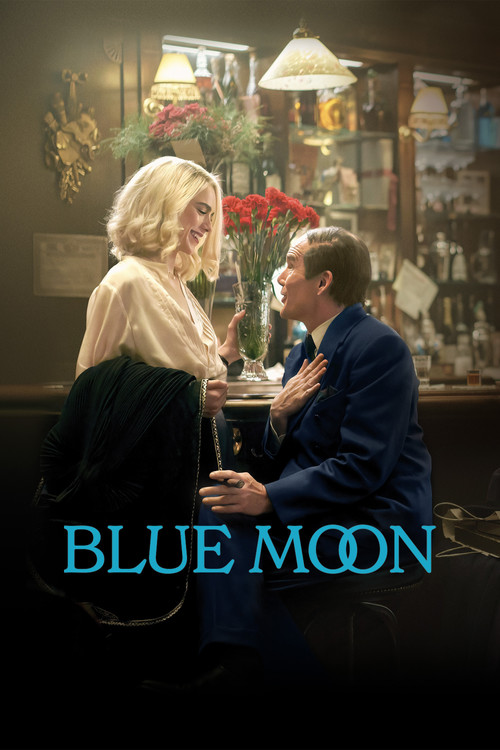
Blue Moon
A bittersweet theatrical chamber piece steeped in gin-soaked melancholy, capturing the frantic waltz of a forgotten genius clinging to his fleeting brilliance as the applause fades down the street.
Blue Moon
Blue Moon

"Forgotten but not gone."

17 October 2025 Ireland 101 min 6.6 (326)

Director: Richard Linklater

Cast: Ethan Hawke, Bobby Cannavale, Andrew Scott, Margaret Qualley, Patrick Kennedy

Drama History Comedy Music The Brutality of Artistic Obsolescence Creative Partnership as Marriage and Divorce Loneliness, Masking, and Unrequited Love Cynicism vs. Folk Sentimentality
Box Office: $3,569,263

Blue Moon — Ending Explained

⚠️ Spoiler Analysis

The film opens with a cold flash-forward to November 1943: an intoxicated, disoriented Lorenz Hart falls into a dark Manhattan alley during a torrential downpour, mumbling verses under his breath before succumbing to exposure and fatal pneumonia at age 48.

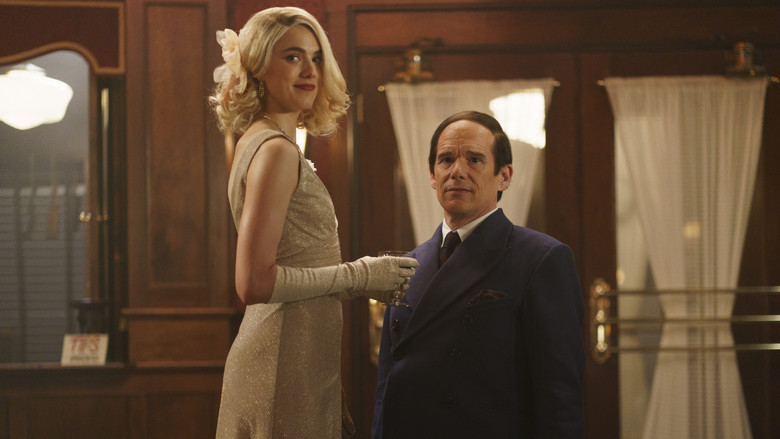
The narrative then flashes back seven months to the evening of March 31, 1943. Hart arrives at Sardi's early, determined to project total composure. He announces that he has quit drinking and is ready to turn over a new leaf, energized by his infatuation with Elizabeth Weiland. Throughout the evening, he prepares elaborate gestures for her, including parlor card tricks and lavish gifts, trying to convince himself that tonight she will consent to be his partner. When Elizabeth arrives, the emotional dynamic is laid bare. She does not harbor romantic feelings for Hart; while she respects his mind and holds genuine affection for him, she firmly resists his romantic pressure. The heartbreak is understated: Elizabeth loves him as an artist and a friend, but cannot love him in the way he craves.

The second blow lands when Richard Rodgers arrives with Oscar Hammerstein II amidst roaring fanfare. Instead of the fight or triumph Hart fantasized about, Rodgers treats Hart with gentle pity. Rodgers makes it clear that there is no anger left—only a quiet, irreversible finality. Rodgers has built a partnership that provides stability and artistic triumph, leaving no place for Hart’s chaos. Stripped of all remaining illusions, Hart's sobriety collapses. He orders a drink from Eddie, who can no longer refuse him. As the glamorous crowd ascends to the private celebration upstairs, Hart is left down at the bar, nursing his glass. He quietly murmurs the words to "Nobody ever loved me that much" and steps out alone into the New York night, returning the story directly to the fatal rain-soaked alleyway of the prologue.

Alternative Interpretations

The Disguised Romantic Breakup: Rather than viewing the film simply as a showbiz chronicle, many critics interpret Blue Moon as a classic relationship breakup story. Rodgers is the pragmatic ex who has moved into a healthy, productive marriage, while Hart is the messy, pining partner loitering outside the reception, convincing himself that his former lover will realize what they lost and return.

The Tragedy of Compulsory Performance: Hart’s declaration of being "omnisexual" and his desperate pursuit of young Elizabeth can be read as a doomed attempt to perform heterosexual romance in a heteronormative society. Elizabeth represents respectability and artistic beauty; winning her would prove to the world—and to Rodgers—that Hart is worthy of conventional devotion.

Cultural Shift from Irony to Optimism: Hart's despair reflects a deeper cultural changing of the guard. As World War II raged, American audiences rejected sophisticated Weimar-style cynicism in favor of uncomplicated patriotism and hope. Hart is not merely an alcoholic writer displaced by a partner; he is the tragic casualty of an empire demanding cheerful conformity.

Explore More About This Movie

Dive deeper into specific aspects of the movie with our detailed analysis pages

Similar Movies