
Skip to content
Nouvelle Vague
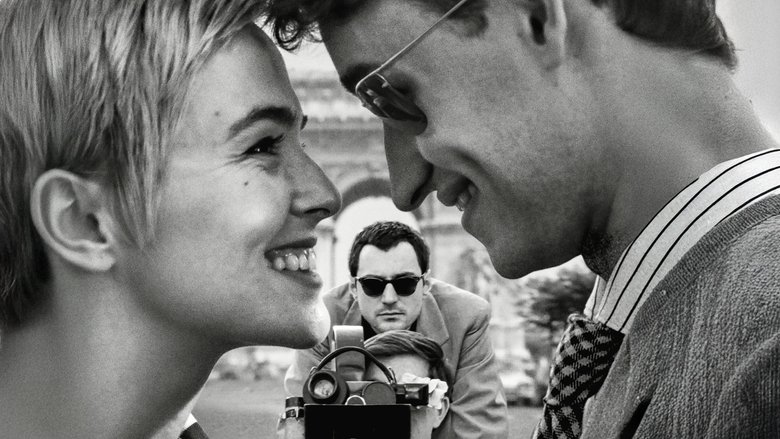
A sun-drenched, smoky monochrome reverie of late-1950s Paris that captures the electric, anxious audacity of youth turning life into cinema—a poetic collision of cigarettes, kinetic streets, and radical creative freedom.
Nouvelle Vague
Nouvelle Vague

"Everyone loves the new wave."

08 October 2025 France 106 min 7.2 (260)

Director: Richard Linklater

Cast: Guillaume Marbeck, Zoey Deutch, Aubry Dullin, Adrien Rouyard, Antoine Besson

Drama History Comedy Artistic Rebellion vs. Institutional Conformity The Creative Process and Improvisation as Discovery The Burden and Drive of Peer Rivalry Cross-Cultural Dialogue & Alienation The Fleeting Nature of Youth and Time
Budget: $9,900,000

Nouvelle Vague — Ending Explained

⚠️ Spoiler Analysis

The film concludes with the frantic post-production crunch of Breathless. Godard delivers a rough cut running well over two and a half hours, prompting panic from Georges de Beauregard, who insists cinema distributors will refuse to book a two-and-a-half-hour debut by an unproven director.

Instead of cutting entire scenes to streamline the plot as traditional editors recommend, Godard—guided by Truffaut and Jean-Pierre Melville’s counsel—makes the radical decision to slice directly within individual takes. This birth of the modern jump cut transforms ordinary continuity errors into an electric, rhythmic narrative heartbeat.

In the final act, Godard screens the 90-minute cut privately for his cast, crew, and peers. Seberg, who spent weeks convinced she was starring in an incoherent disaster that would ruin her European career, watches her own close-up and realizes they have created a masterpiece. The film concludes not at a Hollywood red-carpet gala, but on a breezy Parisian street corner as Godard, Belmondo, and Seberg walk into the crowd, wearing sunglasses, immortalized right as the French New Wave changes global cinema history.

Alternative Interpretations

Several alternative readings have emerged from the film:

  • The "Hangout" De-mythologization: Many critics argue that Linklater deliberately strips away the high-minded philosophical intimidation of Godard, interpreting the birth of the New Wave not as an intellectual manifesto, but simply as young, aimless artists hanging out and having fun.
  • A Commentary on Contemporary Indie Cinema: Another reading positions the film as an implicit critique of today's hyper-controlled studio and streaming landscape, using Godard's rule-breaking freedom to challenge modern filmmakers to reclaim risk-taking.
  • The Seberg Perspective (Feminist & Industry Critique): A thematic reading focuses on Seberg as an exploited talent caught between Otto Preminger's abusive studio demands and Godard's enigmatic demands, viewing the film as an exploration of female agency within male-dominated artistic movements.

Explore More About This Movie

Dive deeper into specific aspects of the movie with our detailed analysis pages

Similar Movies