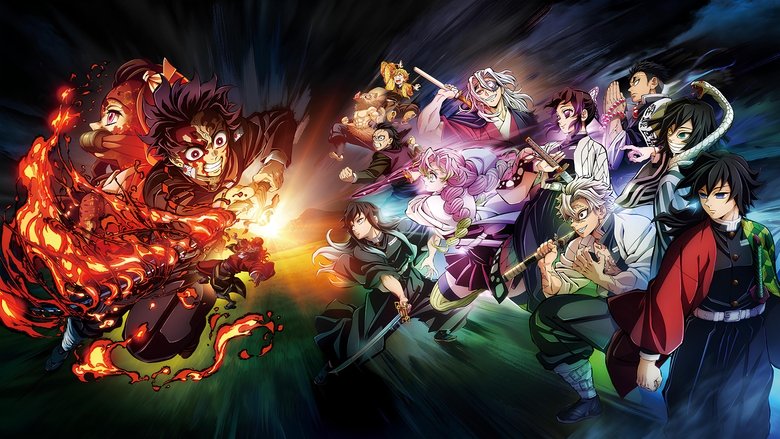

The entire narrative of "Demon Slayer" builds towards a final, decisive confrontation with the demon progenitor, Muzan Kibutsuji. A major twist in the series is the true nature of Tanjiro's Hinokami Kagura; it is revealed to be the legendary Sun Breathing, the original and most powerful breathing style, and the only one that ever truly threatened Muzan. This style was created by a man named Yoriichi Tsugikuni, whose memories Tanjiro accesses through his ancestors.
Nezuko's evolution is the key to the final act. Her ability to conquer the sun makes her Muzan's primary target, as consuming her would grant him immunity to his only fatal weakness. This leads to the final battle taking place within the Infinity Castle, Muzan's shifting, extra-dimensional labyrinth. During this final battle, most of the Hashira are killed in their fights against the remaining Upper Rank demons. Shinobu is absorbed by Upper Rank Two, Doma, but her body is laced with a lethal dose of Wisteria poison that helps Kanao and Inosuke defeat him. Zenitsu defeats his former senior, Kaigaku, who had become a demon. The final battle against Muzan is a war of attrition, with the remaining slayers fighting to hold him until sunrise.
In a final, desperate act, a dying Muzan transfers his consciousness and power into Tanjiro, turning him into the ultimate demon, the new Demon King, who is also immune to the sun. For a moment, it seems all hope is lost. However, through the combined efforts of his friends and a cure developed by Tamayo and Kanao, Tanjiro fights Muzan's consciousness internally and, with Nezuko's help (now fully human again thanks to the cure), he is able to transform back into a human. In the aftermath, the Demon Slayer Corps is disbanded. The epilogue jumps forward to modern-day Tokyo, showing the descendants and reincarnations of the characters living peaceful lives in a world free of demons, confirming their sacrifices created a lasting peace.