Skip to content
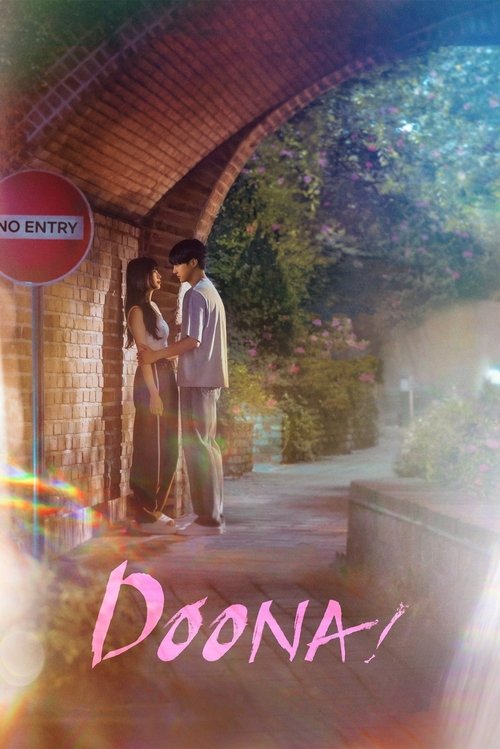
Doona!
A melancholic, neon-tinted youth romance steeped in longing and quiet intimacy; like smoke rings drifting through cool night air, it captures the fleeting warmth of two colliding worlds destined to drift apart.
Doona!

Doona!

이두나!

"What goes on in that mind of yours?"

20 October 2023 — 20 October 2023 South Korea 1 season 9 episode Ended 7.7 (221)

Cast: Suzy, Yang Se-jong, Ahn Ha-young, Park Se-wan, Kim Do-wan

Drama The Trap of Commodification & Idol Culture The Fragility of Youth & Fleeting Sanctuary Emotional Healing vs. Romantic Codependency Socioeconomic Disparity & Real-World Boundaries

Overview

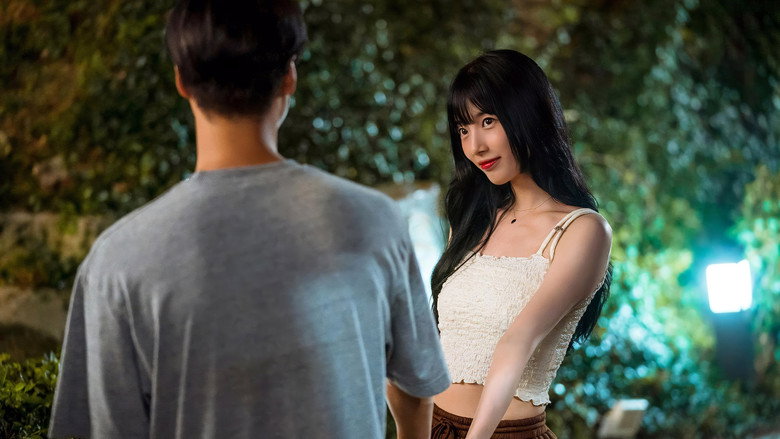
Doona! centers on the serendipitous collision between Lee Doo-na, the former center and main vocalist of top K-pop idol group Dream Sweet who abruptly vanishes from the limelight, and Lee Won-jun, a diligent, grounded civil engineering student juggling multiple part-time jobs and university demands. When Won-jun moves into a modest shared student house in a college neighborhood, he finds Doo-na living downstairs in self-imposed exile, chain-smoking on the porch and isolated from reality. Mistaking him initially for a stalker fan (sasaeng), Doo-na gradually attaches herself to Won-jun’s steady, unassuming presence, seeking refuge in the ordinary rhythm of his life.

As their platonic coexistence dissolves into magnetic romantic attraction, their sanctuary is complicated by the presence of other share-house residents and past acquaintances. Won-jun grapples with lingering feelings for his high school unrequited crush, Kim Jin-joo, and the abrupt arrival of childhood friend Choi I-ra, while Doo-na is haunted by severe emotional trauma, panic attacks, and the looming influence of her former manager-producer, Park In-wook. The share-house becomes a brief crucible of youth, shared meals, and fleeting sanctuary before societal realities demand their attention.

Across its compact nine-episode arc, the series shifts from an unconventional cohabitation romantic comedy into an introspective psychological drama. Won-jun must prepare for adulthood, career stability, and mandatory military obligations, while Doo-na faces legal threats, contractual pressures, and unresolved artistic identity. The series charts the bittersweet realization that love alone cannot wholly bridge systemic differences in social spheres, ultimately delivering a poignant coming-of-age study on mutual healing, self-actualization, and sacrifice.
Core Meaning

The overarching message of Doona! explores the paradox of celebrity culture and human connection: the need for genuine love often demands complete vulnerability, yet the structures of modern fame commodify human identity into an inaccessible public product. Through Doo-na and Won-jun’s story, the series conveys that some relationships exist not to last a lifetime, but to serve as essential catalysts for emotional rescue and personal maturation. Won-jun provides Doo-na with the unconditional warmth and normalcy needed to regain her voice and self-worth; in turn, Doo-na pushes Won-jun beyond his rigid, self-sacrificing shell. The show argues that love’s validity and transformative power are not diminished by separation.

Thematic DNA

The Trap of Commodification & Idol Culture 30%
The Fragility of Youth & Fleeting Sanctuary 25%
Emotional Healing vs. Romantic Codependency 25%
Socioeconomic Disparity & Real-World Boundaries 20%

The Trap of Commodification & Idol Culture

The series dissects the dark, dehumanizing underbelly of the K-pop industry. Doo-na is introduced as burned out and alienated, exploited by predatory management and parasocial consumerism. The theme evolves as Doo-na realizes that true recovery is not about running away, but taking ownership of her craft on her own terms.

The Fragility of Youth & Fleeting Sanctuary

The share-house serves as a transient liminal space where young adults cross paths before adult responsibilities disperse them. The show captures the ephemeral beauty of university life—rainy walks, shared dinners, unspoken feelings—and how these brief interludes permanently reshape identity.

Emotional Healing vs. Romantic Codependency

Initially, Doo-na clings to Won-jun as an emotional anchor to escape her void, while Won-jun slips into a savior complex. As the narrative matures, both characters recognize that using someone else to fill internal trauma breeds toxicity, requiring genuine self-standing independence before healthy love can exist.

Socioeconomic Disparity & Real-World Boundaries

Won-jun’s world of civil service exams, tuition fees, and part-time jobs starkly contrasts with Doo-na’s world of press conferences, paparazzi, and financial litigation. The show consistently tests romantic idealism against the friction of societal roles and lifestyle incompatibility.

Character Analysis

Lee Doo-na

Bae Suzy

Archetype: The Tragic Muse / Fallen Idol Key Trait: Magnetic yet deeply wounded vulnerability.

Motivation

To find genuine human warmth without exploitation, evolving into reclaiming her self-worth and performing career on her own terms.

Character Arc

Starts as a volatile, isolated, chain-smoking recluse who uses unpredictability as a shield. Through Won-jun’s grounded kindness, she confronts the emotional betrayal of her past, recovers her artistic voice, and returns to the industry with mature agency.

Lee Won-jun

Yang Se-jong

Archetype: The Grounded Everyman / Reluctant Anchor Key Trait: Steadfast, empathetic responsibility.

Motivation

Achieving stability and fulfilling familial obligations, which evolves into protecting Doo-na and eventually honoring his own dignity.

Character Arc

A serious, burdened student focused entirely on practical survival and family duty. Entering Doo-na’s orbit opens him to passionate emotion and heartache; he evolves from a reactive caretaker into an assertive adult who learns his own boundaries.

All 5 characters and cast

Symbols & Motifs

Cigarettes & Smoke

Meaning:

Represents emotional suffocating fog, transient escapism, and social isolation. Her reduction in smoking mirrors her gradual healing process.

Context:

Serves as Doo-na’s primary coping mechanism and barrier against the outside world while exiled on the porch of the share-house.

The Shared Staircase / Threshold

Meaning:

Symbolizes the boundary between two disparate social and emotional worlds.

Context:

The physical staircase connecting Doo-na’s ground floor room and Won-jun’s upper floor room; crossing or hesitating on the steps marks shifts in vulnerability and intimacy.

The Stage & Green Room

Meaning:

Represents public performance, panoptic scrutiny, and the loss of private identity.

Context:

Contrastingly lit against the sanctuary of the share-house, marking the inescapable professional realm Doo-na must ultimately confront.

Cherry Blossoms & Seasonal Weather

Meaning:

Highlights the temporal, fleeting nature of youth and first loves.

Context:

Visualized prominently through rain and blooming cherry blossoms, particularly during key turning points like Episode 3.

Dream Sweet Merchandise & Posters

Meaning:

Tangible symbols of commodified stardom and the inescapable public persona hanging over private relationships.

Context:

Encountered by Won-jun in everyday life or worn as clothing, highlighting the friction between Doo-na's celebrity avatar and real self.

The Voice / Singing

Meaning:

Regaining the voice symbolizes reclaimed agency, personal autonomy, and restored inner identity.

Context:

Doo-na’s psychological trauma manifests as psychosomatic vocal paralysis, preventing her from singing until she begins to heal.

Memorable Quotes

나 너한테 밥 먹자고 한 거야. 딴 뜻 없어.
— Lee Doo-na

Context

Spoken to Won-jun in Episodes 1 & 2 when trying to break through his aloof student demeanor.

Meaning

Doo-na’s persistent invitation to Won-jun that pierces his defenses, establishing food and simple communal routine as her desperate bid for human connection.

너 나한테 반하지 마라. 경고했다.
— Lee Doo-na

Context

Delivered by Doo-na to Won-jun during early interactions in Episodes 2 and 4.

Meaning

A playful yet deeply self-protective boundary line that foreshadows the inevitable emotional turmoil and heartbreak both characters will endure.

All 5 quotes

Episode Highlights

An Unexpected Twist

S1E1

Establishes the contrast between Won-jun’s structured student life and Doo-na’s unpredictable, cigarette-hazed isolation.

Significance:

Introduces the claustrophobic tension, visual style, and foundational dynamic of the series.

Spring Breeze

S1E3

Balances Won-jun’s outing with first-love Jin-joo against Doo-na’s terrifying encounter with stalkers (sasaengs).

Significance:

Serves as the pivotal moment where Won-jun steps up as Doo-na’s protector and earns her trust.

The Unexpected

S1E4

A late-night diner outing and unexpected public exposure accelerate their dynamic from playful roommates to genuine attraction.

Significance:

Culminates in their first unexpected kiss, shifting the tone of the relationship permanently.

Meaningless Kiss

S1E5

Won-jun confronts Doo-na over treating his feelings casually after she brushes off their intimacy as a joke.

Significance:

Transforms their power dynamic and forces Doo-na to acknowledge her true emotional vulnerability.

Twilight Zone

S1E6

Doo-na takes Won-jun to her childhood home in the countryside after secretly witnessing Dream Sweet's showcase without her.

Significance:

Strips away Doo-na’s celebrity aura, revealing her core abandonment issues and cementing their romantic commitment.

Clear the Air

S1E7

The return of Doo-na’s past manager and producer Park In-wook fractures the share-house sanctuary.

Significance:

Won-jun experiences raw jealousy and frustration, marking the descent of harsh industry reality upon their romance.

Doona!

S1E9

Resolves the share-house era as Doo-na makes her solo comeback while Won-jun finishes his studies and national exams.

Significance:

Delivers the layered, bittersweet finale and the famous split-screen crossing in Japan.

Philosophical Questions

Can authentic intimacy survive total commodification?

The series explores whether a person whose entire persona is marketed as a consumer fantasy can ever maintain a purely private, unmediated self free from public consumption.

Is the value of a relationship measured by its longevity or its impact?

Doona! questions modern romance conventions, asking if a brief relationship that heals two souls is just as valuable and meaningful as one that lasts forever.

Where does empathy end and self-preservation begin?

Through Won-jun’s struggle, the show examines the threshold where supporting a traumatized partner risks destroying one’s own life goals, dignity, and emotional health.

Alternative Interpretations

The series offers two primary interpretations of its conclusion:

Full ending explanation

Cultural Impact

Doona! debuted at a crucial cultural moment when public discourse around mental health, exploitative training regimens, and intense scrutiny of K-pop idols was reaching mainstream global awareness. The series earned acclaim for de-glamourizing the K-pop idol identity, portraying the claustrophobia of sasaeng stalkers and harsh contractual disputes.

Helmed by director Lee Jung-hyo, the series performed strongly on Netflix’s Global Top 10 Non-English TV list across Asia and Latin America. Unlike standard 16-episode network K-dramas with neat romantic resolutions, Doona! helped normalize the indie-tinged, shorter 8-to-9 episode streaming format in Korean television, focusing on atmospheric, character-driven storytelling.

Audience Reception

Critics widely praised Bae Suzy’s nuanced, raw performance, citing it as a career-best alongside Anna. The cinematic lighting, indie-film aesthetic, and realistic portrayal of young adulthood were strongly commended.

Some reviewers and webtoon purists felt the 9-episode limit rushed the emotional transition in Episodes 7–8, and the ambiguous finale divided viewers who expected a definitive romantic reunion. However, audience sentiment deepened over time as the show revealed its somber, realistic tone, cementing its status as an emotionally resonant coming-of-age drama.

Interesting Facts

  • Bae Suzy was cast in part due to her authentic background as the center and vocalist of real-world top girl group Miss A (2010–2017), noting during press conferences that playing Doo-na brought back visceral memories of idol burnout.
  • To capture the authenticity of Dream Sweet’s stadium performance, the production team and cast flew to Japan to film during the actual KCON Japan 2022 music festival stage in front of thousands of live K-pop fans.
  • This was Yang Se-jong's first project following his mandatory military discharge; to convincingly portray a 20-year-old college freshman while in his early 30s, he underwent laser facial treatments and strict physical preparation.
  • Director Lee Jung-hyo specifically condensed the sprawling 150+ chapter webtoon into a focused 9-episode cinematic mini-series emphasizing mood, realism, and romance over webtoon comedic hijinks.
  • Music director Nam Hye-seung collaborated with music producers to create original tracks for the fictional group Dream Sweet, including 'The Whispering Spell' (네 꿈에 숨어들어가).

Easter Eggs

Dream Sweet Members Cameos

The fictional idol group Dream Sweet consists of real industry powerhouses: acclaimed actress Go Ah-sung (Snowpiercer, The Host), dance crew La Chica members Simeez and Rian (Street Woman Fighter), and singer-songwriter Janet Suhh.

Lee Jin-wook's Special Appearance

Acclaimed actor Lee Jin-wook appears as Park In-wook (Doo-na’s manipulative manager/mentor), continuing his professional collaboration with Studio Dragon and Netflix.

Webtoon Alterations (The 'Girl Downstairs' Tone Shift)

While the original manhwa by Min Song-ah leans heavily into harem romance tropes and college banter, the series gives Jin-joo and I-ra deeper personal agency rather than positioning them merely as romantic rivals.

Wardrobe Storytelling

Doo-na’s wardrobe transitions from sloppy, oversized loungewear and heavy black eyeliner during her depressive hiatus to sleek, bright, high-fashion styling when she re-emerges into the public eye.

Frequently Asked Questions

Explore More About This Movie

Dive deeper into specific aspects of the movie with our detailed analysis pages

Comments (0)

Leave a comment

No comments yet. Be the first to share your thoughts!

Similar Movies