Flipped
"You never forget your first love."
Overview
Set in the late 1950s and early 1960s, "Flipped" chronicles the fluctuating relationship between Juli Baker and Bryce Loski, neighbors since the second grade. From the moment she meets him, Juli is smitten, while Bryce is annoyed by her constant attention. The film cleverly employs a narrative that "flips" back and forth, presenting events from both of their distinctive and often contradictory points of view.
As they navigate the treacherous waters of adolescence, their perceptions of each other, their families, and the world around them begin to shift. Juli, a free-spirited and observant girl, learns to look beyond Bryce's dazzling eyes and see his true character. Meanwhile, Bryce, influenced by his cynical father and guided by his more perceptive grandfather, starts to realize that Juli is more than just the annoying girl next door; she's an extraordinary person who sees the world with a unique and beautiful perspective.
Core Meaning
At its heart, "Flipped" is a story about perspective and the journey of seeing beyond superficial first impressions to understand the true character of another person. Director Rob Reiner explores the idea that love and understanding are not instantaneous but are processes of growth, re-evaluation, and seeing the "whole landscape" rather than just individual parts. The film posits that our perceptions are shaped by our families and experiences, but true maturity comes from developing our own values and recognizing the "iridescent" qualities in others that make them unique.
Thematic DNA
Perspective and Point of View
The film's defining feature is its narrative structure, which alternates between Juli's and Bryce's perspectives on the same events. This technique highlights the subjective nature of experience and how two people can interpret the same situation in vastly different ways. Juli's romanticized view of their early interactions contrasts sharply with Bryce's feelings of annoyance and embarrassment, illustrating the classic disconnect between adolescent boys and girls. This theme underscores the film's central message about the importance of empathy and trying to understand another person's viewpoint.
Coming of Age and Personal Growth
"Flipped" is a classic coming-of-age story that tracks the emotional and moral development of its two protagonists. Juli evolves from having a superficial crush to valuing integrity and inner beauty. Bryce's journey is one of moving past cowardice and prejudice, influenced by his family, to form his own judgments and appreciate what truly matters. The film suggests that growing up involves challenging the values inherited from our parents and discovering our own moral compass.
Family Influence
The stark contrast between the Baker and Loski families is a crucial element. The Bakers, though financially struggling, are rich in love, integrity, and mutual support. Juli's father teaches her to see the 'whole landscape,' a metaphor for appreciating the sum of a person's parts. In contrast, Bryce's family is more concerned with appearances, and his father is cynical and judgmental. Bryce's grandfather, Chet, serves as a moral guide, helping him see the value of the Bakers and the flaws in his own family's worldview.
Appearance vs. Reality
A central theme is the idea of looking beyond surface appearances. Juli is initially captivated by Bryce's eyes, but her father encourages her to see the "whole person." She eventually learns this lesson when Bryce's actions reveal his character flaws. Conversely, Bryce learns to look past the Bakers' messy yard and see the warmth and integrity of their family. His grandfather's wisdom about some people being "iridescent" encapsulates this theme perfectly—true value is rare and lies beneath the surface.
Character Analysis
Julianna 'Juli' Baker
Madeline Carroll
Motivation
Initially, her motivation is simply to win Bryce's affection. As she matures, her motivation shifts towards understanding the world, standing up for her beliefs (like saving the sycamore tree), and living with integrity. She is driven by a deep sense of connection to nature and a strong moral compass instilled by her loving family.
Character Arc
Juli begins as a young girl with an all-consuming, somewhat superficial crush on Bryce. She is proactive, passionate, and sees the best in things. Her arc involves a painful but necessary disillusionment, as she learns that the boy she idolized lacks integrity. Through experiences like the sycamore tree's destruction and Bryce's rejection of her eggs, she develops a more mature understanding of character, learning from her father to look at the "whole landscape." By the end, she has grown into a principled young woman who values substance over appearance.
Bryce Loski
Callan McAuliffe
Motivation
Bryce's initial motivation is to be left alone and avoid social awkwardness. He is driven by a fear of what others think. Over time, his motivation shifts to understanding his own feelings and earning Juli's respect. He becomes motivated to become a person of better character, someone worthy of the "iridescent" girl he finally learns to see.
Character Arc
Bryce starts as a timid and easily embarrassed boy, primarily concerned with avoiding Juli and fitting in. His perspective is heavily influenced by his cynical father and his shallow best friend, Garrett. His arc is a journey from cowardice to courage. Guided by his grandfather, Chet, he begins to question his father's prejudices and see Juli's unique qualities. He learns to stand up for what is right, culminating in his decision to end his friendship with Garrett and make a grand gesture to win back Juli's respect, signifying his 'flip' in perspective.
Chet Duncan
John Mahoney
Motivation
Chet is motivated by a desire to see his grandson grow into a man of integrity. Having experienced a full life and a deep love for his late wife, he wants Bryce to learn to recognize and appreciate true substance in people. He is motivated by kindness and a quiet wisdom, hoping to steer Bryce away from the cynicism of his own son.
Character Arc
Chet arrives as a grieving widower, quiet and withdrawn. His character arc involves re-engaging with life through his friendship with Juli. He sees her special qualities from the start and becomes a gentle, guiding force for Bryce. He doesn't undergo a dramatic change himself, but rather facilitates the positive change in his grandson, acting as the film's moral compass.
Richard Baker
Aidan Quinn
Motivation
Richard is motivated by his deep love for his family and his strong sense of integrity. He works hard to provide for them and sacrifices to care for his institutionalized brother. His primary motivation is to raise his children to be good, perceptive people who value character over material wealth or superficial appearances.
Character Arc
Richard Baker is a steady, principled character throughout the film. He doesn't have a significant personal arc but serves as the bedrock of Juli's moral education. He faces financial struggles and family difficulties with quiet dignity, providing a stark contrast to Bryce's father. His role is to impart wisdom to Juli and, by extension, to the audience.
Steven Loski
Anthony Edwards
Motivation
Steven is motivated by a fear of being seen as unsuccessful or associated with people he deems beneath him, like the Bakers. He harbors resentment about giving up a past passion (playing the saxophone) and projects his dissatisfaction onto others, particularly those who seem content with less, like Richard Baker.
Character Arc
Steven Loski represents a man embittered by his own perceived failures. He is judgmental, materialistic, and prides himself on appearances. He does not have a significant positive arc; instead, his rigid and prejudiced worldview serves as a catalyst for Bryce's own moral awakening. Bryce's decision to reject his father's values is a key part of his development.
Symbols & Motifs
The Sycamore Tree
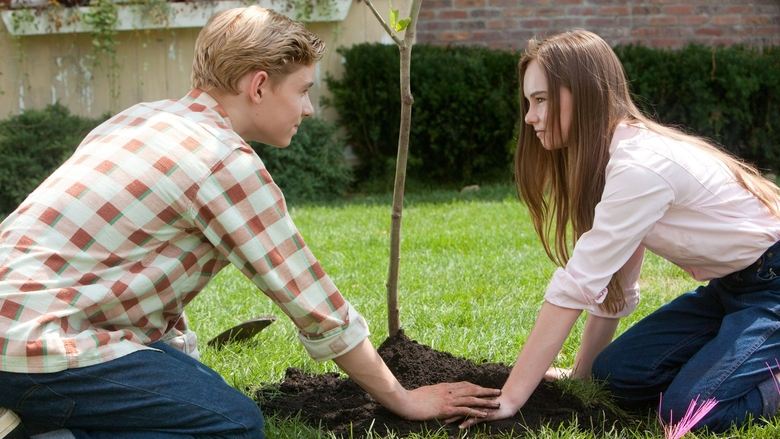
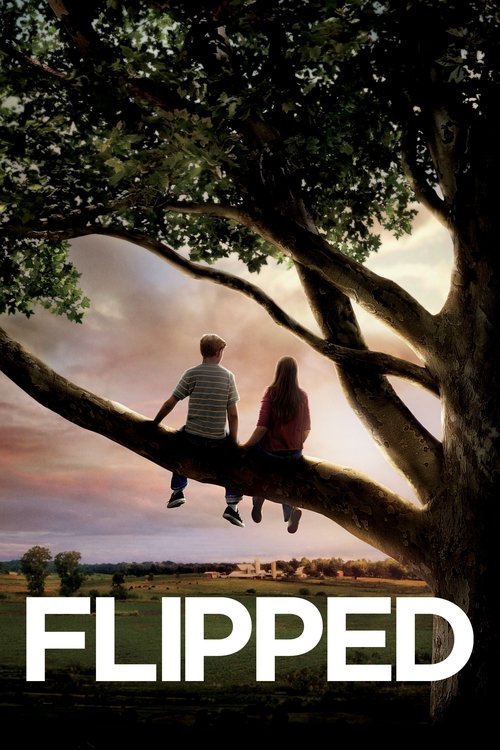
The sycamore tree symbolizes Juli's unique perspective and her ability to see the world from a higher, more enlightened viewpoint. It represents beauty, interconnectedness, and a source of profound joy and understanding for her. Its destruction signifies a loss of innocence and a pivotal moment in her emotional development. For Bryce, the tree he plants at the end symbolizes his growth, his apology, and his hope for a new beginning with Juli, finally seeing the world from her perspective.
Juli loves to climb the sycamore tree to watch the sunrise and feel connected to the world. When it's threatened to be cut down, she stages a protest, an event Bryce fails to support. Her father later paints her a picture of the tree to keep its memory and meaning alive. The film concludes with Bryce planting a new sycamore sapling in Juli's yard, a gesture of deep understanding and reconciliation.
Eggs
The eggs from Juli's chickens symbolize her generosity, her nurturing spirit, and her simple, honest character. Bryce's secret disposal of the eggs represents his cowardice, his family's prejudice, and the initial chasm between their values. His rejection of her gift is a major turning point, causing Juli to re-evaluate her feelings for him.
Juli begins raising chickens and proudly sells the fresh eggs to her neighbors, but she gives them to the Loskis for free as a kind gesture. Bryce, afraid of salmonella and pressured by his father, throws them away for weeks. When Juli discovers this, she is deeply hurt, which marks the beginning of her disillusionment with him.
The Yard
The state of the Baker family's front yard represents the difference in values between the two families. The Loskis, particularly Bryce's father, see the unkempt yard as a sign of laziness and lower class, judging them on appearances. For the Bakers, it's a low priority compared to caring for family, like Juli's disabled uncle. When Juli and Chet work to fix the yard, it symbolizes bridging the gap between the families and seeing true value beyond superficial tidiness.
Bryce's father frequently complains about the Baker's messy yard. When Bryce uses the yard as an excuse for why they throw away Juli's eggs, a shamed Juli decides to fix it herself. Bryce's grandfather, Chet, sees her hard work and decides to help her, forming a bond and showing Bryce a different, more compassionate perspective.
Memorable Quotes
A painting is more than the sum of its parts. A cow by itself is just a cow. A meadow by itself is just grass, flowers. And the sun picking through the trees, is just a beam of light. But you put them all together and it can be magic.
— Richard Baker
Context:
Richard says this to Juli after she complains about Bryce. He is trying to teach her to look deeper and not be swayed by a single, superficial quality, encouraging a more holistic and mature perspective on people.
Meaning:
This quote is the central metaphor of the film. It's Juli's father's explanation for how to truly see a person. One must look beyond individual traits (like Bryce's eyes) and see the entirety of their character—the good and the bad—to understand who they truly are.
Some of us get dipped in flat, some in satin, some in gloss; but every once in a while, you find someone who's iridescent, and once you do, nothing will ever compare.
— Chet Duncan
Context:
Chet says this to Bryce while they are sitting on the porch, looking over at the Bakers' house. He is sharing his wisdom about people, subtly pointing out how special Juli is and encouraging Bryce to recognize her unique worth.
Meaning:
This is Chet's poetic way of explaining that some people have a rare, multi-faceted inner beauty that shines beyond the ordinary. He identifies this quality in Juli and tries to make Bryce see it too. It reinforces the theme of looking past the surface to find exceptional character.
One's character is set at an early age. I'd hate to see you swim out so far you can't swim back.
— Chet Duncan
Context:
Chet says this to Bryce after Bryce has been dishonest about the eggs Juli gave their family. He senses Bryce's moral drift and offers this advice to guide him back to a path of honesty.
Meaning:
This is a gentle but firm warning from Chet to Bryce about the importance of integrity. He is cautioning Bryce that the choices he makes now, particularly dishonest or cowardly ones, will shape the person he becomes. It's a call to moral courage.
He looked at me with those eyes, those once again dazzling eyes. And I knew that Bryce Loski was still walking around with my first kiss. But he wouldn't be for long.
— Juli Baker (narration)
Context:
This is Juli's thought at the very end of the film as she watches Bryce from her window after he plants the sycamore sapling. It signifies her acceptance of his apology and her readiness to start over with him.
Meaning:
This final line from Juli shows her renewed hope and confidence. After Bryce's grand gesture of planting the tree, she sees him in a new light again. Her feelings have come full circle, but this time they are based on his actions and character, not just his looks. It implies a new, more mature beginning for their relationship.
Philosophical Questions
How do our family's values shape our own perception of the world and others?
The film directly explores this by contrasting the Loski and Baker households. Bryce initially adopts his father's judgmental and superficial views, seeing the Bakers' messy yard and assuming they are lesser people. Juli, conversely, absorbs her family's values of integrity and looking for deeper meaning, as taught by her father's "sum of the parts" lesson. The film suggests that while family is our primary influence, true maturity involves critically examining these inherited values and choosing our own path, as Bryce eventually does with the guidance of his grandfather.
What is the difference between infatuation and genuine love or respect?
"Flipped" dissects this question through Juli's emotional journey. Her initial feelings for Bryce are pure infatuation, based solely on his "dazzling eyes." The narrative forces her to confront the reality of his character—his cowardice and cruelty. Her love "flips" when she realizes he is not the person she imagined. The film posits that true appreciation for another person is not based on a single trait but on an understanding of their entire character, their actions, and their integrity. Bryce's journey is the reverse; he moves from annoyance to genuine respect once he starts to see Juli's true, "iridescent" character.
Is it possible to truly see an event or person from another's perspective?
The film's entire narrative structure is an experiment in this question. By showing the same scenes from two different viewpoints, Reiner demonstrates how profoundly personal biases and emotional states color our reality. Events that Bryce barely registers are monumental for Juli, and his attempts at avoidance are interpreted by her as shyness. The film argues that while achieving a perfectly objective viewpoint is impossible, the act of trying to understand another's perspective—as Bryce finally does at the end—is the foundation of empathy and meaningful connection.
Alternative Interpretations
While most viewers interpret "Flipped" as a sweet and straightforward romance about young love eventually triumphing, some alternative readings focus on the potential imbalance in Juli and Bryce's relationship. One perspective argues that the film's ending, while hopeful, doesn't fully resolve the deeper issues. From this viewpoint, Bryce's change of heart is seen as somewhat abrupt and primarily motivated by jealousy and the fear of losing Juli, rather than a profound, internally-driven character transformation. Critics of the relationship suggest that Juli, who undergoes significant emotional and intellectual growth, ultimately deserves better than Bryce, who spends most of the film being passive and cruel.
Another interpretation views the film less as a romance and more as a character study of two individuals shaped by vastly different family systems. The focus shifts from "will they get together?" to an analysis of how parental values (the Bakers' integrity vs. the Loskis' superficiality) mold children's worldviews. In this light, Bryce's final gesture is not just about winning the girl, but about him consciously breaking from his father's cynical legacy and aligning himself with the more profound values represented by his grandfather and the Baker family. The ending is seen not as a romantic guarantee, but as the hopeful beginning of Bryce's own moral journey.
Cultural Impact
Upon its 2010 release, "Flipped" was not a commercial success and received lukewarm reviews from critics, many of whom compared it, often unfavorably, to director Rob Reiner's earlier coming-of-age classic, "Stand By Me." However, the film found a new and appreciative audience through DVD and streaming services, where its reputation grew significantly over the following decade. It is now widely regarded as a beloved cult classic, particularly praised for its heartfelt storytelling, nostalgic atmosphere, and unique dual-perspective narrative.
The film resonates with audiences for its timeless exploration of first love, family dynamics, and the painful but necessary process of growing up. Its earnest and sweet-natured tone provides a gentle alternative to more cynical or action-oriented teen films. The central themes of looking beyond surface appearances and appreciating the "sum of a person's parts" have become enduring messages for its fanbase. The film's aesthetic, with its warm, nostalgic cinematography and a soundtrack of 1950s and 60s hits, contributes to its charm and has helped solidify its place as a comfort movie for many.
Audience Reception
Audience reception for "Flipped" has been considerably warmer than its initial critical and commercial performance. While it holds a "mixed or average" score on aggregators like Metacritic, it has cultivated a strong and loyal fanbase over the years. Viewers frequently praise the film for its charm, sweetness, and nostalgic feel, often describing it as a heartwarming and genuine story about first love. The unique dual-narrative structure is a commonly cited strength, with many finding it an effective and engaging way to show the complexities of young relationships.
The main points of criticism from some viewers are that the plot can feel predictable or cliché and that Bryce's character development feels too abrupt at the end. A few find the story's sweetness to be overly saccharine. However, the overwhelming sentiment in audience reviews is positive, with many considering it an underrated gem. The performances of the young leads, Madeline Carroll and Callan McAuliffe, are often highlighted, as is the strong supporting cast, especially John Mahoney as the wise grandfather. It has become a comfort movie for many, cherished for its innocence and heartfelt message.
Interesting Facts
- The film is based on the 2001 young adult novel of the same name by Wendelin Van Draanen.
- Director Rob Reiner was inspired to adapt the book after reading it with his 11-year-old son, Nick, who is credited in the film for the inspiration.
- The street the characters live on is "Bonnie Meadow Lane," which is an homage to director Rob Reiner's childhood home on Bonnie Meadow Road and to "The Dick Van Dyke Show," created by his father, Carl Reiner, which was set at 148 Bonnie Meadow Road.
- Though the book is set in the late 1990s, Rob Reiner changed the film's setting to the late 1950s and early 1960s, a period he previously explored in his film "Stand By Me."
- The film was shot in and around Ann Arbor, Michigan.
- John Mahoney, who plays Chet Duncan, appeared in his final feature film role in "Flipped."
- Despite receiving mixed reviews upon release and being a box office disappointment, the film has since gained a significant following on home video and streaming, now being considered a cult classic.
- To create a nostalgic feel, director Rob Reiner hired Thomas Del Ruth, the same director of photography from "Stand By Me," to give the film a "dipped-in-honey" look.
⚠️ Spoiler Analysis
Click to reveal detailed analysis with spoilers
Frequently Asked Questions
Explore More About This Movie
Dive deeper into specific aspects of the movie with our detailed analysis pages
Comments (0)
No comments yet. Be the first to share your thoughts!