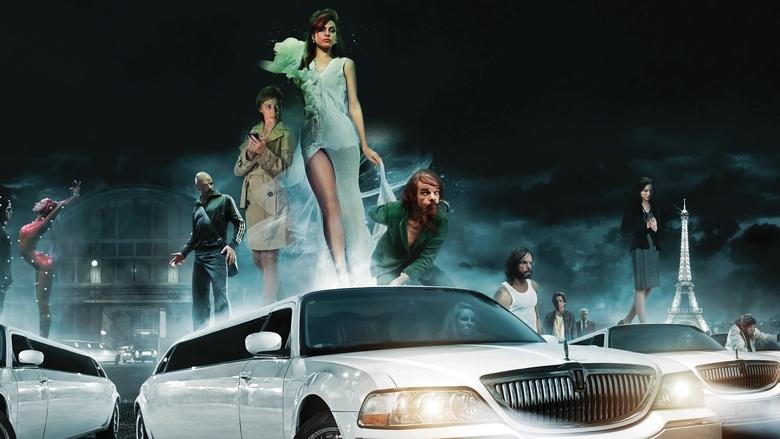
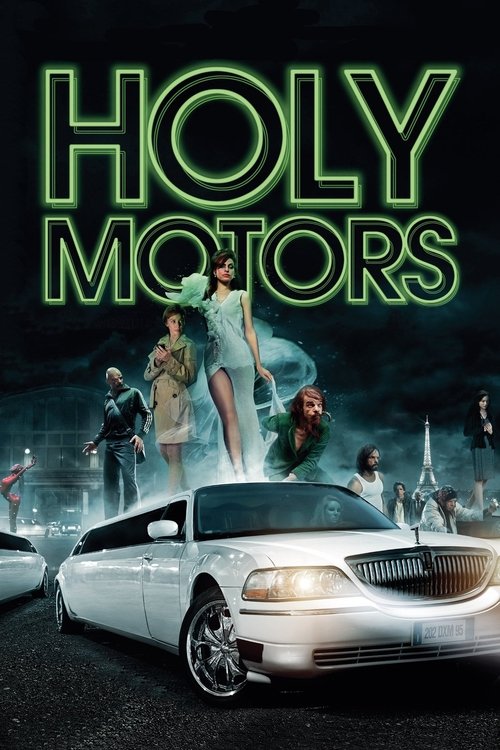
The episodic narrative follows Monsieur Oscar through nine distinct assignments and two interludes, spanning various cinematic genres and existential archetypes: starting as a formal corporate Tycoon/Banker; becoming a decrepit Beggar Woman on Pont Alexandre III; transforming into a Motion Capture Performer executing sensual acrobatics transformed into CGI monsters; running amok as the sewer-dwelling Monsieur Merde who abducts model Kay M to the catacombs; inhabiting a stern yet devastated Father lecturing his insecure teenage daughter Angèle; leading an explosive church Accordion Intermission; acting as an Assassin who stabs and disguises a lookalike target only to be fatally stabbed in return; playing a Dying Patriarch comforting his niece before briskly walking out alive; and sharing a nostalgic musical interlude with his lost love Jean before she leaps to her death from the roof of La Samaritaine.
Key twists upend conventional reality: walking to another assignment, Oscar is gunned down by bodyguards outside a café, only to casually revive and thank the gunmen, revealing violent death itself as just another staged routine. His final home assignment places him in a suburban residence where he is warmly embraced by a family of chimpanzees, resigning him to live as a beast among beasts. At the central depot, his driver Céline puts on a porcelain mask before heading home, while the parked stretch limousines awaken with glowing red taillights, speaking in synthesized voices about their impending obsolescence and concluding with a choral whisper: "Amen".
The ending reveals that Oscar is not unique, but one cog in a global, dying ecosystem of performers, drivers, and vehicles. There is no genuine private life waiting for him—his domestic sanctuary is merely another assignment. In the modern age, reality has completely dissolved into performance. The limousines—and the cinema of physical bodies they carry—are sacred relics (Holy Motors) facing extinction in an unsentimental, digital world.