Skip to content
Hospital Playlist
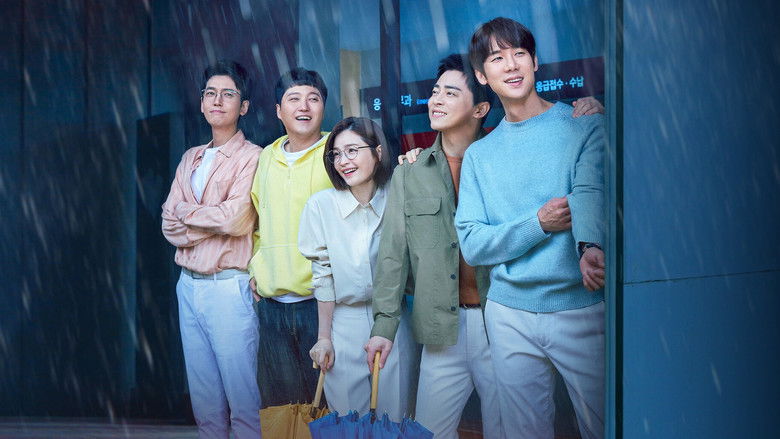
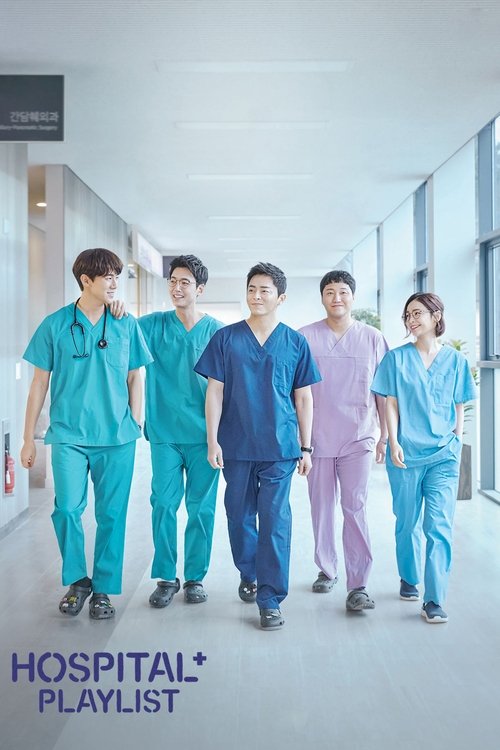
A gentle, heart-warming medical slice-of-life drama where five long-time friends harmonize human compassion and healing, radiating warmth like a soft sunset glowing through a bustling hospital corridor.
Hospital Playlist

Hospital Playlist

슬기로운 의사생활

"The slightly special everyday of us ordinary people"

12 March 2020 — 16 September 2021 South Korea 2 season 24 episode Ended 8.6 (174)

Cast: Cho Jung-seok, Yoo Yeon-seok, Jung Kyung-ho, Kim Dae-myung, Jeon Mi-do

Drama Comedy Lifelong Friendship and Community Empathy and Duty in Healthcare Life, Death, and Acceptance of Mortality Organic, Slow-Burn Romance Work-Life Harmony and Music as Solace

Overview

Hospital Playlist (슬기로운 의사생활), directed by Shin Won-ho and written by Lee Woo-jung, is a critically acclaimed South Korean television drama spanning two seasons and 24 episodes (2020–2021). Set inside Yulje Medical Center, the series follows five doctors who have been inseparable best friends since entering medical school together in 1999. Now in their early 40s and serving as assistant or associate professors in five distinct medical departments—General Surgery, Pediatric Surgery, Cardiothoracic Surgery, Obstetrics & Gynecology, and Neurosurgery—they navigate the unrelenting demands of their profession alongside the intricacies of their personal lives.

Unlike traditional medical dramas filled with high-stakes hospital politics, scheming administrators, or extreme villainy, Hospital Playlist centers on the everyday human moments within a hospital environment. The core story arc captures how these five individuals maintain their profound bond across decades, using their shared love for music as a weekly therapeutic escape. Bound by a commitment to form a band—just as they did during their student days—they gather after grueling shifts to play vintage Korean pop and rock tracks, using music to process grief, celebrate victories, and ground themselves amidst life's chaos.

Across both seasons, the overarching narrative presents a tapestry of life, death, healing, and romance. As the quintet treats patients facing life-altering diagnoses, they mentor young residents, handle their own family heartbreaks, and gradually open their hearts to love. The narrative flows effortlessly between quiet emotional breakthroughs in operating rooms and warm, banter-filled meals, delivering an uplifting celebration of empathy, community, and enduring friendship.


Core Meaning

The core message of Hospital Playlist is that extraordinary grace resides in ordinary humanity. Creators Shin Won-ho and Lee Woo-jung sought to demystify healthcare professionals, showing that doctors are neither omnipotent deities nor unfeeling technicians, but flawed, compassionate human beings who experience self-doubt, fatigue, and heartbreak just like their patients.

Through the hospital environment—a place where life begins and ends every single day—the series emphasizes that while pain and death are unavoidable realities, empathy and sincere human connection make life worth living. The narrative insists that true healing extends beyond physical surgery; it requires listening, understanding, and walking alongside others through their darkest moments. Furthermore, the show underscores the importance of work-life harmony and staying anchored to one's passion and friendships, reminding viewers that joy can always be found in simple daily rituals—a shared meal, a comforting joke, or a song played together.

Thematic DNA

Lifelong Friendship and Community 30%
Empathy and Duty in Healthcare 25%
Life, Death, and Acceptance of Mortality 20%
Organic, Slow-Burn Romance 15%
Work-Life Harmony and Music as Solace 10%

Lifelong Friendship and Community

The central pillar of the series is the unshakable bond among the "99ers" (the group of friends who met in 1999). Revealed through constant banter, casual unspoken understanding, and unwavering mutual support, their friendship is not tested by contrived jealousy or betrayal. Over two seasons, this theme evolves from nostalgic camaraderie into a vital survival system that helps each character process professional burnout, personal tragedy, and romantic vulnerability.

Empathy and Duty in Healthcare

The show redefines medical ethics by focusing on emotional intelligence rather than mere surgical brilliance. Across multiple seasons, doctors learn to communicate with grieving families, acknowledge their limitations, and respect patient dignity. It highlights how medical staff carry the emotional weight of their wards and how genuine empathy is a conscious, daily choice.

Life, Death, and Acceptance of Mortality

The hospital serves as a micro-universe where birth, recovery, chronic illness, and death coexist daily. The show approaches mortality with quiet reverence. Rather than using death as cheap shock value, it explores grief as a natural component of existence. Across both seasons, characters and patients alike learn to accept loss, make peace with inevitable outcomes, and treasure the time they have left.

Organic, Slow-Burn Romance

Romance in Hospital Playlist develops slowly and naturally out of deep mutual respect, shared struggles, and emotional readiness. Spanning both seasons, romantic arcs unfold without forced misunderstandings or dramatic tropes. Relationships evolve gradually—from silent one-sided crushes and long-standing platonic bonds to mature, supportive romantic partnerships built on trust.

Work-Life Harmony and Music as Solace

The show emphasizes the necessity of personal passion and leisure in high-stress professions. The weekly band rehearsals represent a sacred space where the doctors shed their white coats, step away from clinical pressures, and reconnect with their youthful spirits through music. Music acts as both a mirror for their inner emotions and an anchor for mental well-being.

Character Analysis

Lee Ik-jun

Cho Jung-seok

Archetype: The Radiant Caregiver / The Social Catalyst (Trickster-Healer) Key Trait: Boundless charisma, emotional intelligence, and playfulness

Motivation

To bring light, humor, and top-tier medical care to everyone around him while raising his beloved son, U-ju.

Character Arc

In Season 1, Ik-jun is a brilliant General Surgery professor and single father coping with a sudden divorce while maintaining an upbeat persona. Over two seasons, he evolves from suppressing his own loneliness to acknowledging his emotional needs, ultimately embracing courage in romance by confessing his long-held feelings for Song-hwa.

Chae Song-hwa

Jeon Mi-do

Archetype: The Wise Anchor / The Mentor Key Trait: Calm competence, deep empathy, and steady wisdom

Motivation

To save lives in high-risk brain surgeries, guide her residents with warmth, and maintain equilibrium in her personal life.

Character Arc

Considered the rock and emotional anchor of the group, Song-hwa is a master neurosurgeon who initially prioritizes work and others over herself. Across both seasons, she learns to pace herself, handle her own health scares, and allow herself to be vulnerable in love, transitioning from guarded friendship to opening her heart to Ik-jun.

All 5 characters and cast

Symbols & Motifs

Band Practice / Music (Mido and Falasol)

Meaning:

Represents emotional release, harmony, and the preservation of youth and friendship.

Context:

Each song performed in an episode mirrors the episode's central thematic conflict or emotional state.

Shared Food and Meals (Tteokbokki, Jajangmyeon, Yukjeon)

Meaning:

Symbolizes community, comfort, and human grounding.

Context:

The five friends frequently gather around food, using mealtime to share burdens, offer silent support, and recharge.

Coffee Cups

Meaning:

A recurring motif representing care and attentiveness.

Context:

Leaving a hot cup of coffee on a friend’s or colleague’s desk serves as an unspoken gesture of affection, encouragement, or romantic interest throughout the series.

Rain and Weather

Meaning:

Serves as an atmospheric backdrop for pivotal emotional revelations, quiet introspections, romantic confessions, and intimate band practices.

Context:

Used during key moments such as performing "Rain and You" and major romantic turnarounds.

White Hospital Coats vs. Casual Clothes

Meaning:

Symbolizes the duality of their lives—balancing professional responsibility with personal authentic identity.

Context:

Visual transition between formal medical coats worn in Yulje Medical Center and casual clothing worn during band sessions.

Camping Tent / Nature

Meaning:

Symbolizes solace, isolation from modern stress, and a neutral, peaceful space where genuine conversations unfold.

Context:

Associated primarily with Song-hwa and Ik-jun during their peaceful outdoor getaways.

Memorable Quotes

의사가 환자에게 할 수 있는 말은 딱 하나뿐이에요. '최선을 다하겠다'는 말뿐입니다.
— Ahn Jeong-won

Context

Spoken by Ahn Jeong-won to junior medical staff in Season 1, Episode 3.

Meaning

Highlights the humility of doctors who cannot promise miracles but commit their entire being to saving lives.

이게 우리 일상이지만, 환자분들한테는 인생에서 가장 큰 일이고 가장 중요한 순간이에요.
— Lee Ik-jun

Context

Spoken by Lee Ik-jun to intern Jang Yoon-bok after a patient’s family acts sensitive before a liver transplant in Season 2, Episode 7.

Meaning

Encapsulates the core philosophical lesson of empathy required in medical practice.

All 5 quotes

Episode Highlights

Season 1, Episode 1

S1E1

Introduces the five core leads, establishing their distinct personalities, their medical competencies, and the origin of their band. It sets the warm, non-melodramatic tone for the entire franchise.

Significance:

Lays the narrative foundation, establishing Yulje Hospital as the central stage.

Season 1, Episode 6

S1E6

Features Song-hwa awaiting her biopsy results for a potential breast tumor while Ik-jun quietly stays by her side early in the morning.

Significance:

Deepens the emotional bonds within the group and lays the groundwork for the Ik-jun/Song-hwa romantic dynamic.

Season 1, Episode 12

S1E12

Features major character turning points: Jeong-won decides to stay as a doctor and kisses Gyeo-ul; Ik-jun confesses his feelings to Song-hwa before heading to a conference; Seok-hyeong rejects his late father's corporate legacy to remain an OB/GYN doctor.

Significance:

Elevates narrative stakes for Season 2 and delivers emotional resolution to Season 1's main character arcs.

Season 2, Episode 6

S2E6

Focuses on the transition of new interns and residents entering the hospital. Highlights the 99ers recalling their own clumsy mistakes as young doctors.

Significance:

Reinforces the show's generational and mentorship themes, illustrating growth across all medical ranks.

Season 2, Episode 11

S2E11

After Ik-jun recovers from an unexpected attack, he and Song-hwa sit inside a car during a heavy rainstorm. Song-hwa confesses her feelings, and they share a long-awaited, passionate kiss.

Significance:

Resolves 20 years of unspoken romantic tension between the two lead characters.

Season 2, Episode 12

S2E12

Brings closure to all five leads. Seok-hyeong and Min-ha solidify their romance; Jun-wan reunites with Ik-sun; Jeong-won and Gyeo-ul prepare to study pediatric surgery abroad together in the US; the band plays their final sunset performance.

Significance:

Delivers a complete send-off for the main cast.

Philosophical Questions

What constitutes a meaningful life when surrounded by constant mortality?

The series explores how facing daily mortality shifts one's perspective, emphasizing that meaning comes from small acts of empathy, authentic relationships, and finding daily joy rather than pursuing grand status.

Where is the boundary between professional detachment and human empathy?

Through doctors like Jeong-won and Jun-wan, the drama asks whether maintaining emotional distance protects a caregiver or if embracing shared grief makes one a better healer.

Can personal happiness coexist with the suffering of others?

The doctors struggle with feeling joy or enjoying leisure while their patients face life-threatening crises, eventually concluding that self-care and joy are necessary to sustain long-term compassion.

Alternative Interpretations

Some critics interpret Yulje Medical Center not merely as a medical workplace, but as a symbolic purgatory or threshold where human character is tested. Patients and doctors alike enter in states of physical or emotional vulnerability and leave transformed, having confronted mortality, guilt, or fear.

Full ending explanation

Cultural Impact

Released during the height of the COVID-19 pandemic in 2020 and 2021, Hospital Playlist arrived when global audiences were suffering from isolation and emotional distress. Its compassionate portrayal of medical frontliners and warm focus on human connection provided immense comfort and healing to viewers worldwide.

The show proved that K-dramas could achieve record-breaking ratings without relying on aggressive antagonisms, extra-marital affairs, corporate schemes, or dramatic villainy. Its success validated the slice-of-life genre on cable television and established the viability of the single-episode-per-week production model.

Season 1 achieved a peak viewership rating of 14.1% in South Korea, ranking among the highest-rated cable dramas in history. Season 2 premiered to a network record of 10.0% and concluded with 14.1%, universally lauded for maintaining its high quality and emotional sincerity.

Audience Reception

Audiences and critics universally praised the natural, believable chemistry among the five leads as well as the show's wholesome, healing tone that avoided toxic tropes, evil antagonists, or forced intrigue. The cast performing classic covers live added a layer of nostalgia and charm.

On the other hand, some viewers noted that episode runtimes (often expanding beyond 90 to 100 minutes) felt overly long or slow-paced for a slice-of-life show. A minor critique from actual medical workers pointed out that while medical procedures were accurate, the workplace environment was somewhat romanticized compared to real-world healthcare stress.

Overall, Hospital Playlist is widely considered a modern masterpiece of slice-of-life Korean drama, setting a gold standard for comfort television, ensemble character writing, and warm human storytelling.

Interesting Facts

  • None of the five main actors played their assigned band instruments proficiently before casting, taking intensive musical lessons over late spring and summer to play every song live in the show.
  • Unlike standard K-dramas that air two episodes per week, Hospital Playlist aired only once a week to ensure compliance with South Korea's 52-hour workweek law, preventing staff exhaustion.
  • Cho Jung-seok and Yoo Yeon-seok independently recommended theater actress Jeon Mi-do to Director Shin Won-ho without knowing she was already auditioning for the lead role.
  • Cho Jung-seok’s cover of 'Aloha' topped major Korean real-time music charts (Melon, Gaon) for weeks and won Best OST at the Mnet Asian Music Awards and Melon Music Awards in 2020.
  • Yulje Medical Center was a custom-built studio set, where real medical specialists and surgeons were present during all operation scenes to correct surgical hand movements, terminology, and procedures.

Easter Eggs

Reply Series Crossover Cameos

Director Shin Won-ho and Writer Lee Woo-jung incorporated numerous actors from their famous Reply trilogy. In Season 1, Episode 7, Choi Moo-sung and Kim Sun-young cameo as a patient and her husband—reproducing their roles from Reply 1988 by mentioning that the husband owns a watch shop named 'Phoenix Shop' in Ssangmun-dong.

Priest & Monk Brothers

Sung Dong-il and Kim Sung-kyun make hilarious cameos as Jeong-won's older brothers who are a Catholic priest and a monk, despite Jeong-won being the one longing to join the clergy.

Na PD (Na Young-seok) Cameo

Legendary variety show producer Na Young-seok cameos in Season 2, Episode 10 as Producer Jang Young-seok, father of U-ju’s girlfriend Mo-ne. Ik-jun remarks that he looks shockingly identical to producer Na Young-seok.

Go Ara Cameo

Actress Go Ara (lead of Reply 1994) cameos as herself/an actress who is Ik-jun’s famous ex-girlfriend, eating a huge meal in the hospital ward.

Nostalgic Musical Cues

In Season 1, Episode 3, the opening nostalgic melody of 'Hyehwadong' (an iconic track from Reply 1988) softly plays in the background while Ik-jun reminisces about his youth.

Frequently Asked Questions

Explore More About This Movie

Dive deeper into specific aspects of the movie with our detailed analysis pages

Comments (0)

Leave a comment

No comments yet. Be the first to share your thoughts!

Similar Movies