
Skip to content
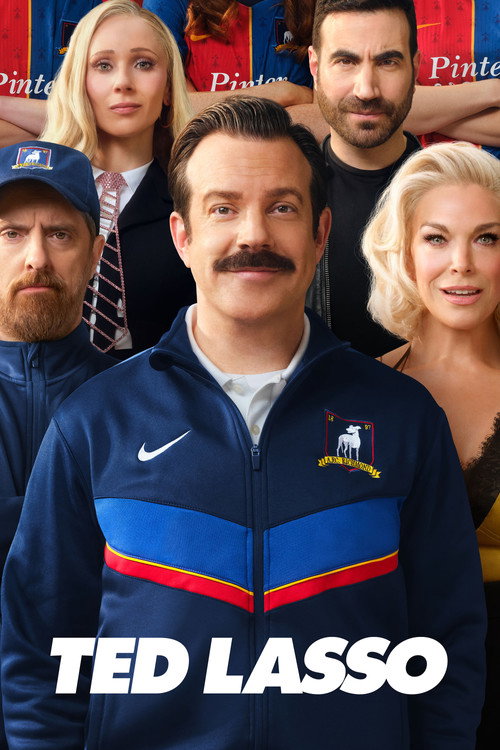
Ted Lasso
A sports comedy-drama radiating disarming warmth, where unyielding empathy acts as a lantern illuminating the shadowed, fractured corners of human hearts struggling to reconnect and heal.
Ted Lasso

Ted Lasso

"Ted's back."

14 August 2020 — 04 August 2026 United States of America 4 season 44 episode Returning Series 8.3 (2,506)

Cast: Jason Sudeikis, Hannah Waddingham, Jeremy Swift, Brett Goldstein, Brendan Hunt

Drama Comedy Kindness, Curiosity, and Radical Empathy Mental Health, Vulnerability, and Father-Induced Trauma Toxic Masculinity and Redeeming the Self Community, Chosen Family, and Belonging Redefining Success Beyond Victory

Overview

Ted Lasso centers on Ted Lasso (Jason Sudeikis), an endlessly optimistic American college football coach from Kansas who is unexpectedly hired to manage AFC Richmond, a struggling English Premier League soccer team. Unbeknownst to Ted, the club’s new owner, Rebecca Welton (Hannah Waddingham), secretly recruits him expecting his sheer inexperience to ruin the team as a spiteful revenge scheme against her unfaithful ex-husband. However, Ted’s unconventional leadership style, folksy charm, homemade shortbread biscuits, and unwavering commitment to emotional growth begin to disarm cynicism across the entire organization.

As AFC Richmond experiences the volatile highs and lows of professional sports—navigating relegation, fierce promotional battles, and intense mental pressures—the show shifts focus from a fish-out-of-water comedy into a deeply human workplace ensemble drama. Across its run, the narrative broadens beyond the pitch, examining the personal lives of aging veteran stars, arrogant young prodigies, insecure equipment managers, and corporate leaders.

Rather than treating sports as a mere conquest for trophies, Ted Lasso frames the locker room as a sanctuary for personal accountability and collective healing. The overarching story charts how a fragmented group of flawed individuals builds a compassionate community, discovering that true triumph lies in self-forgiveness, emotional honesty, and helping one another become the best versions of themselves.


Core Meaning

The central thesis of Ted Lasso is that curiosity, vulnerability, and radical empathy are transformative powers capable of breaking cycles of trauma and toxic masculinity. Through "The Lasso Way," creators Jason Sudeikis, Bill Lawrence, Brendan Hunt, and Joe Kelly communicate that success cannot be measured solely by scoreboard victories or external validation. Instead, true achievement lies in personal evolution and supporting others.

The show insists that kindness is not weakness or naivety, but a deliberate choice requiring immense strength. By forcing characters to confront generational trauma, parental expectations, and fear of failure, Ted Lasso demonstrates that healing occurs when people drop their defensive armors and embrace vulnerability within a supportive community.

Thematic DNA

Kindness, Curiosity, and Radical Empathy 30%
Mental Health, Vulnerability, and Father-Induced Trauma 25%
Toxic Masculinity and Redeeming the Self 20%
Community, Chosen Family, and Belonging 15%
Redefining Success Beyond Victory 10%

Kindness, Curiosity, and Radical Empathy

Initially introduced as an eccentric American quirk that baffles cynical British journalists and players, Ted’s kindness gradually becomes contagious. The theme evolves from a comedic juxtaposition into a profound philosophy encapsulated by the motto "Be curious, not judgmental". Characters learn to seek understanding behind bad behavior rather than condemning it.

Mental Health, Vulnerability, and Father-Induced Trauma

The series initially presents Ted’s optimism as an impenetrable shield. In Season 2, the introduction of sports psychologist Dr. Sharon Fieldstone fractures this veneer, exposing Ted’s severe panic attacks and unresolved grief over his father’s suicide. Parallelly, Jamie Tartt’s arrogance, Nate Shelley’s insecurity, and Rebecca’s bitterness are revealed to stem from toxic or distant fathers.

Toxic Masculinity and Redeeming the Self

Early episodes highlight typical locker-room machismo, ego clashes, and stoic suppression of emotion. Over time, the AFC Richmond locker room transforms into a safe space where men openly cry, express affection, form emotional support groups (like "The Diamond Dogs"), and celebrate emotional maturity alongside physical strength.

Community, Chosen Family, and Belonging

The narrative moves from individual isolation—Rebecca’s lonely revenge, Ted’s separation from his family, Roy’s fear of retirement—toward an interconnected ecosystem. The club becomes a surrogate family where personal flaws are accepted, and triumphs are shared collectively.

Redefining Success Beyond Victory

Sports culture emphasizes winning at all costs. Ted Lasso deconstructs this by demonstrating that winning games without personal growth is empty. True victory is defined by helping individuals grow into compassionate, fulfilled human beings.

Character Analysis

Ted Lasso

Jason Sudeikis

Archetype: The Unconventional Mentor / Wounded Healer Key Trait: Relentless optimism grounded in deep empathy.

Motivation

To mentor young men into good human beings and avoid facing his own internal pain, evolving into seeking genuine self-healing.

Character Arc

Arrives in England using unrelenting cheerfulness to mask deep personal grief over his failed marriage and his father's suicide. Through therapy, he learns to acknowledge his own suffering, stop suppressing negative emotions, and eventually prioritizes his relationship with his son by returning home.

Rebecca Welton

Hannah Waddingham

Archetype: The Fallen Queen turned Nurturing Leader Key Trait: Fierce loyalty disguised behind initial stoicism.

Motivation

Originally driven by revenge against Rupert; evolves into protecting her chosen AFC Richmond family.

Character Arc

Begins as a vengeful ex-wife determined to destroy her ex-husband's beloved football team. Disarmed by Ted’s warmth, she confesses her scheme, transforms into a protective matriarch for the club, and learns to let go of bitterness to find personal peace.

All 5 characters and cast

Symbols & Motifs

The "BELIEVE" Sign

Meaning:

Symbolizes hope, trust, and self-efficacy.

Context:

A handwritten yellow sign with blue marker taped above Ted’s office door. When Nate tears it apart in a fit of rage, it represents shattered trust; when the players secretly preserve the pieces and reassemble them, it symbolizes collective unity and resilience.

"Biscuits with the Boss"

Meaning:

Symbolizes breaking down barriers through small, consistent acts of unconditional care.

Context:

Every morning, Ted brings homemade shortbread in a small pink box to Rebecca’s office.

Plastic Army Men

Meaning:

Symbolize protection, courage, and a reminder that someone is looking out for them.

Context:

Ted places small green toy soldiers on the desks of various characters (Rebecca, Dr. Sharon, Jamie) when they are facing personal battles.

The Goldfish

Meaning:

Serves as a recurring motif for letting go of mistakes, forgiving oneself, and moving forward.

Context:

Ted advises his players to "be a goldfish" because it is the happiest animal on Earth due to its 10-second memory.

Color Palette Contrast (Blue/Yellow vs. Black/Grey)

Meaning:

AFC Richmond’s bright blue and yellow kits represent warmth, inclusivity, and emotional openness, whereas Rupert Mannion’s home base at West Ham United features dark, obsidian tones symbolizing corporate ruthlessness, control, and emotional suppression.

Context:

Used visually to contrast AFC Richmond's culture of openness against Rupert Mannion's environment of corporate control and coldness.

Memorable Quotes

Be curious, not judgmental.
— Ted Lasso

Context

Season 1, Episode 8 ("The Diamond Dogs"), spoken during a high-stakes darts game against Rupert Mannion to explain why Rupert's underestimation of him was his own downfall.

Meaning

The defining philosophical thesis of the entire series.

You know what the happiest animal on Earth is? It's a goldfish. You know why? It's got a 10-second memory. Be a goldfish.
— Ted Lasso

Context

Season 1, Episode 2 ("Biscuits"), delivered to Sam Obisanya after he makes a mistake during practice.

Meaning

Encapsulates the importance of resilience, letting go of failure, and focusing on the present moment.

All 6 quotes

Episode Highlights

Trent Crimm: The Independent

S1E3

A skeptical journalist follows Ted for a profile, expecting an embarrassment, but is won over by Ted’s genuine care for his community and players.

Significance:

Marks the first turning point in public perception regarding Ted's unorthodox coaching style.

The Diamond Dogs

S1E8

Introduces "The Diamond Dogs" support group and features the iconic darts scene where Ted delivers the "Be curious, not judgmental" speech while defeating Rupert.

Significance:

Establishes the emotional support framework among the staff while defending Rebecca and defeating Rupert.

The Hope That Kills You

S1E10

Richmond is relegated despite their best efforts, subverting typical sports movie tropes.

Significance:

The Season 1 finale establishing that personal growth matters more than winning games.

Rainbow

S2E5

Roy realizes his true calling isn't punditry but coaching, leading to his dramatic return to Richmond’s pitch to join Ted's coaching staff.

Significance:

Pivotal for Roy Kent’s character arc and strengthening the club's leadership.

No Weddings and a Funeral

S2E10

During Rebecca’s father’s funeral, Rebecca confronts her childhood hurt while Ted simultaneously recounts his father's suicide to Dr. Sharon.

Significance:

Serves as an emotional climax connecting Rebecca and Ted's shared unresolved grief and trauma.

Inverting the Pyramid of Success

S2E12

Richmond earns promotion back to the Premier League, but Nate’s villain origin story culminates as he leaks Ted’s panic attacks to the press, tears down the "BELIEVE" sign, and leaves for West Ham.

Significance:

Season 2 finale setting up the main thematic and narrative conflict for Season 3.

Sunflowers

S3E6

Set during an overnight trip to Amsterdam, where the team sheds pressure, re-evaluates their purpose, and experiences major personal epiphanies.

Significance:

Ted conceives total football while Jamie teaches Roy how to ride a bike, reshaping the team's tactical and personal unity.

Mom City

S3E11

Jamie returns to Manchester and reconciles with his past, while Ted confronts his mother regarding his childhood emotional burdens.

Significance:

Resolves core emotional arcs for Jamie and Ted, paving the way for Ted's ultimate departure.

So Long, Farewell

S3E12

Richmond beats West Ham to secure second place in the league; Ted steps down to return home to his son in Kansas; the characters transition into their new, healthy chapters.

Significance:

The series finale concluding the main character arcs and leaving a legacy of empathetic culture at Richmond.

Philosophical Questions

Can relentless optimism become a form of emotional avoidance?

The show demonstrates that while kindness uplifts others, suppressing personal grief behind a cheerful facade causes internal trauma, leading to panic attacks.

What truly constitutes success in competitive environments?

By balancing Premier League competition with individual well-being, the show asks whether winning a trophy holds value if the people winning it are emotionally broken.

Is redemption possible for those who betray their loved ones?

Through Nate Shelley’s downfall and eventual return, the series examines whether sincere remorse and accountability earn a second chance within a community.

How do we break inherited cycles of generational trauma?

Explored through Jamie, Ted, and Rebecca as they consciously choose empathy over the cruelty modeled by their fathers.

Alternative Interpretations

The "Toxic Positivity" Critique vs. Self-Defense Shield: Some critics argue that Ted’s early demeanor showcases toxic positivity—using jokes to suppress painful realities. A deeper reading reveals his optimism isn't denial of reality, but a deliberate psychological survival mechanism forged to navigate trauma.

Full ending explanation

Cultural Impact

Context of Creation: Ted Lasso premiered in August 2020 during the global COVID-19 pandemic. Its relentless optimism, emphasis on emotional vulnerability, and comforting atmosphere served as a cultural antidote to worldwide isolation and anxiety.

Influence on Television: The show spearheaded a movement critics called "Nicecore"—a wave of modern comedy focusing on radical kindness and constructive relationships rather than cynicism or mean-spirited satire.

Audience Reception

Season 1: Near-unanimous acclaim (92%+ critical score); celebrated as a beacon of comfort and unexpected depth.

Season 2: High critical acclaim with minor audience divides over darker story turns (Nate's villain arc) and standalone experimental episodes like "Beard After Hours".

Season 3: Polarizing pacing discussions due to extended runtimes, but lauded for character emotional climaxes ("Sunflowers", "Mom City") and its satisfying series finale.

Overall Verdict: Ted Lasso stands as one of the defining television series of the 2020s—a critical and commercial flagship for Apple TV+ that proved heartwarming, emotionally intelligent storytelling can achieve massive worldwide popularity.

Interesting Facts

  • The character of Ted Lasso was created in 2013 for a series of comedic NBC Sports promotional videos advertising Premier League coverage in the US.
  • Despite Ted’s homemade biscuits being praised as delicious on-screen, Hannah Waddingham revealed that the actual props were dry, unsweetened, and terrible to eat until the bakery altered the recipe.
  • Brett Goldstein was originally hired purely as a writer for the show. On the final day of the writers' room, he recorded a self-tape audition for Roy Kent that immediately won him the role.
  • Jason Sudeikis is the real-life nephew of actor George Wendt, famous for playing Norm Peterson on the legendary sitcom Cheers.
  • The show’s theme song and score were co-created and recorded by Marcus Mumford, lead singer of Mumford & Sons.
  • In its debut season, Ted Lasso earned 20 Primetime Emmy nominations, breaking the record for the most nominated first-season comedy in Emmy history.

Easter Eggs

Homage to Cheers

Ted touches a picture frame above the doorway when leaving the locker room, mirroring the gesture performed by characters in Cheers. Additionally, Sudeikis pays tribute to his real-life uncle George Wendt.

Ted’s Book Recommendations

In Season 1, Episode 3, Ted gives specific books to his players that foreshadow their character arcs: A Wrinkle in Time to Roy (accepting leadership across dimensions), The Beautiful and Damned to Jamie (warning against shallow self-indulgence), and Ender's Game to Sam (unfolding hidden potential).

Bantr Username Hints

When Rebecca and Sam unwittingly match on the anonymous dating app Bantr, Rebecca's username "Starlight" references her childhood love of singing, while Sam’s username "LDN_1995" hints at his birth year and home away from home.

Marcus Mumford Cameo

Marcus Mumford makes a subtle audio/visual cameo performing acoustic music in the background during scene transitions.

Army Man on Dr. Sharon’s Desk

In the series finale, the green toy soldier Ted slipped into Dr. Sharon’s beer glass in Season 2 sits permanently on her office desk, showing her lasting bond with Ted.

Frequently Asked Questions

Explore More About This Movie

Dive deeper into specific aspects of the movie with our detailed analysis pages

Comments (0)

Leave a comment

No comments yet. Be the first to share your thoughts!

Similar Movies