I'm in the Band
A high-octane comedy that feels like a garage band's energetic riff, capturing the chaotic joy of chasing rock and roll dreams against a suburban backdrop.
I'm in the Band

I'm in the Band

27 November 2009 — 09 December 2011 United States of America 2 season 42 episode Ended ⭐ 8.6 (268)
Cast: Logan Miller, Steve Valentine, Caitlyn Taylor Love, Greg Baker, Stephen Full
Comedy
The Pursuit of Dreams Found Family vs. Traditional Family Nostalgia and Second Chances Maturity vs. Immaturity

Overview

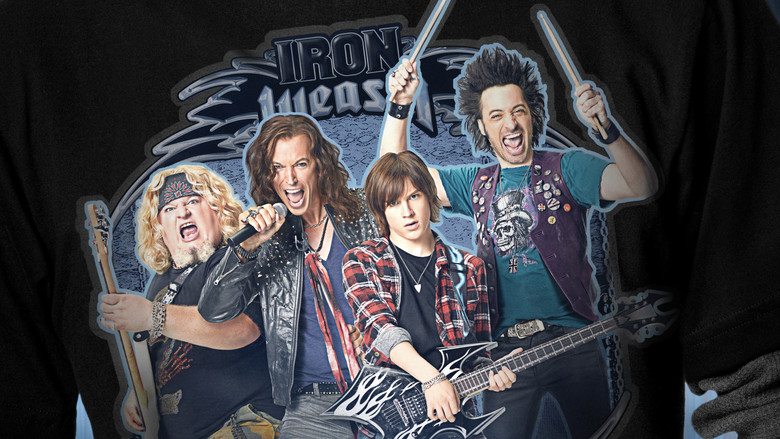
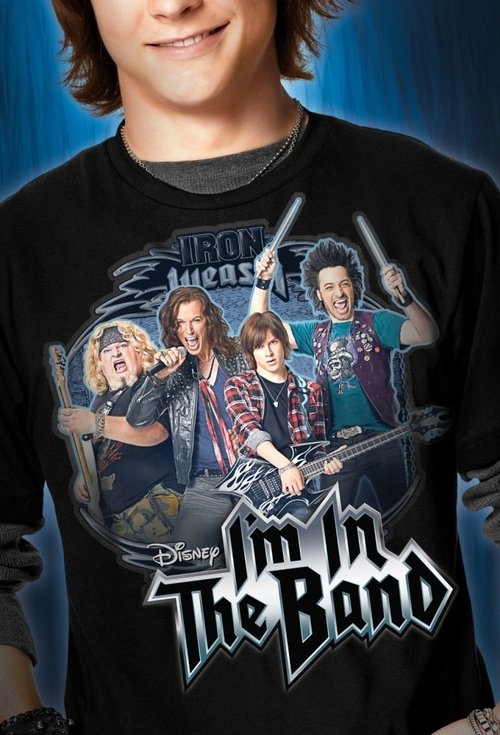
"I'm in the Band" chronicles the journey of Tripp Campbell, a teenager whose lifelong dream comes true when he wins a contest to meet his favorite washed-up 80s glam metal band, Iron Weasel. Seeing an opportunity, Tripp proves his guitar skills and convinces the band—cocky lead singer Derek Jupiter, sweet but dim-witted drummer Ash, and food-loving bassist Burger Pitt—to make him their new lead guitarist. In exchange, he offers them a place to live: the guest room of his suburban home.

Across two seasons, the series follows the band's hilarious and haphazard attempts to reclaim their former glory. Tripp acts as the group's anchor to reality, using his youthful optimism and ingenuity to book gigs, secure recording sessions, and navigate the modern music industry, all while juggling high school life. The adult members of Iron Weasel, meanwhile, bring their rock-and-roll immaturity to Tripp's quiet neighborhood, frequently clashing with his mother, Beth, and his school's principal. The show charts their collective growth from a dysfunctional group of has-beens to a cohesive, albeit still chaotic, found family, as they strive to make an epic comeback.

Core Meaning

The core meaning of "I'm in the Band" is a celebration of pursuing one's dreams, regardless of age or circumstance. It champions the idea that passion and perseverance can bridge generational gaps and revive forgotten ambitions. The series consistently posits that a 'found family,' united by a shared goal, can be just as strong and supportive as a traditional one. Through the antics of Iron Weasel, the show explores the comical collision of two worlds: the unbridled, consequence-free ethos of rock and roll and the structured, responsible environment of suburban life. Ultimately, it suggests that success isn't just about fame and fortune, but about the joy and camaraderie found in the creative process and the friendships forged along the way.

Thematic DNA

The Pursuit of Dreams 35%
Found Family vs. Traditional Family 30%
Nostalgia and Second Chances 20%
Maturity vs. Immaturity 15%

The Pursuit of Dreams

This is the central theme of the series. Tripp embodies the youthful, unwavering belief in achieving his dream of becoming a rock star. In contrast, the members of Iron Weasel represent dreams that have faded but are not entirely lost. Tripp's energy and determination serve as the catalyst for the band to start believing in themselves again. The entire series is structured around their collective effort to make a comeback, from playing at school assemblies to trying to get a record deal, showcasing that the pursuit of a dream is an ongoing, often hilarious, struggle.

Found Family vs. Traditional Family

The dynamic between Tripp and the band evolves into that of a surrogate family. The band members act as irresponsible older brothers or uncles to Tripp, offering misguided advice on high school life, while Tripp often becomes the responsible 'adult' who has to manage their chaotic behavior. This found family, living under the roof of Tripp's actual mother, creates a constant source of comedic tension and heart, highlighting the different forms a supportive family unit can take.

Nostalgia and Second Chances

Iron Weasel is a relic of a bygone era of 80s glam metal. The show plays with the nostalgia for this period, both celebrating and gently mocking its excesses. For Derek, Burger, and Ash, the entire journey is about getting a second chance at the fame they once had. Their attempts to adapt their old-school rock attitude to the modern world fuel much of the series' comedy, exploring whether it's possible to recapture the magic of the past.

Maturity vs. Immaturity

A core comedic driver is the role reversal between the teenage protagonist and the adult band members. Tripp is often the most mature and responsible member of the group, strategizing their comeback and solving their self-inflicted problems. Derek, Burger, and Ash, despite being adults, are consistently portrayed as childish and impulsive. This theme questions the nature of adulthood and suggests that maturity is about responsibility, not chronological age.

Character Analysis

Tripp Campbell

Logan Miller

Archetype: The Hero/The Catalyst
Key Trait: Determined

Motivation

Tripp's primary motivation is to help Iron Weasel achieve the comeback he believes they deserve. He idolizes the band and is convinced of their potential. This motivation evolves from a fan's dream to a genuine sense of responsibility for his bandmates, whom he comes to see as family. He wants to prove to the world, and to them, that they are still great.

Character Arc

Tripp begins the series as an idealistic and somewhat naive fanboy whose sole focus is joining Iron Weasel. Initially, he is the driving force, single-handedly reviving the band's ambition. Throughout the series, he evolves from just a fan to the band's de facto manager and creative heart. He learns to balance his dream with the realities of school, friendships, and the immense challenge of managing three immature rock stars. His arc is about tempering his idealism with pragmatism, becoming a more confident leader who not only achieves his dream but also helps his idols find their footing in a new era.

Derek Jupiter

Steve Valentine

Archetype: The Charismatic Leader/The Ego
Key Trait: Arrogant

Motivation

Derek is motivated by a desire to reclaim his fame and relive the glory days of Iron Weasel. He craves the adoration of fans and the lifestyle of a successful rock star. As the series progresses, this is coupled with a growing motivation to not let Tripp down and to keep his new 'family' together.

Character Arc

Derek starts as the confident, often arrogant, and slightly delusional frontman who still believes he's a major rock star. He is resistant to changing Iron Weasel's image and is often the source of the band's biggest problems due to his ego. Over the series, while he never fully loses his swagger, his experiences with Tripp and the realities of their situation humble him slightly. He develops a genuine affection for Tripp and learns, intermittently, to put the band's needs before his own ego, showing moments of surprising wisdom and loyalty. His arc is about learning to be a leader in practice, not just in title.

Burger Pitt

Greg Baker

Archetype: The Glutton/The Heart
Key Trait: Gluttonous

Motivation

Burger's motivations are the most straightforward: food and rock and roll. He is generally happy as long as he has both. He is also motivated by a simple, powerful loyalty to his friends in the band and will go along with any scheme, no matter how ridiculous, for their sake.

Character Arc

Burger is initially presented as a one-note character, driven almost entirely by his love for food and his lack of intelligence. He is the band's id, prone to physical comedy and gross-out gags. While he remains the primary source of comic relief, his character arc involves showing more emotional depth. His secret crush on Tripp's mom and his unwavering loyalty to his bandmates reveal a simpler, more heartfelt side. He learns to channel his chaotic energy, sometimes even contributing a useful (if accidental) idea, evolving from a pure caricature into a more lovable, albeit still dim-witted, member of the family.

Ash

Stephen Full

Archetype: The Ditz/The Innocent
Key Trait: Simple-minded

Motivation

Ash is primarily motivated by a desire to belong and to be with his friends. He loves drumming and being in Iron Weasel, and he is generally content to follow the lead of Derek and Tripp. He is the least concerned with fame, enjoying the process and the camaraderie more than anything else.

Character Arc

Ash is introduced as the sweet, simple-minded, and often clueless drummer of the band. He is the most childlike of the adult members, possessing a random knowledge of odd facts but little common sense. His character development is subtle but present; a search result mentions he 'seems to be a little smarter in the second season'. His arc sees him gain a small measure of self-awareness. He remains the band's innocent soul, but he occasionally demonstrates unexpected skills or moments of clarity, proving that there is more to him than just a vacant stare and his catchphrase, "Aw yeah."

Symbols & Motifs

The Iron Weasel Van

Meaning:

The van symbolizes the band's past glory and their current state of arrested development. It's a relic from their heyday, representing their freedom, life on the road, and former success. At the same time, its dilapidated condition and the fact they were living in it before moving in with Tripp signifies how far they've fallen. It's their history, both the good and the bad, in automotive form.

Context:

The van is featured prominently throughout the series. Initially, it's their only home. Later, it's their primary mode of transportation to gigs and becomes the setting for many of their misadventures and arguments. In the episode "Lord of the Weasels," the van is temporarily repurposed as a 'palace' for a Live Action Role-Playing (LARPing) group, further emphasizing its status as a vessel for fantasy and escapism.

Tripp's Guest Room

Meaning:

The guest room symbolizes the band's second chance and their dependence on Tripp. It's a safe haven that allows them to stop worrying about basic survival and refocus on their music. However, it also represents their loss of independence and their entry into a structured, domestic world that constantly clashes with their rock-and-roll lifestyle.

Context:

The guest room is the band's home base for the entire series. Many scenes take place here, showing the members sharing bunk beds and trying to adapt to suburban life. The conflict between their messy, chaotic nature and the cleanliness of Tripp's home is a recurring visual gag and plot point.

Memorable Quotes

Friendship is like peeing on yourself. Yeah, everybody can see it, but only you get to feel the warmth.

— Derek Jupiter

Context:

While the exact episode is not cited in the search results, this quote is one of the most widely attributed to the series online. It's representative of the nonsensical 'wisdom' Derek often imparts to Tripp and the band, attempting to be profound but landing on the absurd.

Meaning:

This quote perfectly encapsulates the show's brand of humor: a mix of absurd, slightly gross, and surprisingly heartfelt sentiment. It's a ridiculous metaphor that ultimately speaks to the private, personal comfort that true friendship provides, a core theme of the series.

A zebra doesn't change his stripes, a leopard doesn't change his spots, and Burger doesn't change his underwear.

— Derek Jupiter

Context:

This quote is from the Season 1 episode "Bleed Guitarist," when the band is discussing their treacherous former guitarist, Bleed. Derek uses this line to argue that Bleed can't have changed, using Burger's questionable hygiene as a comedic point of comparison.

Meaning:

This line is a classic example of the show's character-based humor. It sets up a familiar idiom and then subverts it with a punchline that is both a gross-out joke and a perfect summary of Burger's character. It highlights the band's awareness of each other's (often flawed) natures.

Episode Highlights

Weasels in the House

S1E1

The series premiere sets up the entire premise. After winning a radio contest, Tripp Campbell gets to have dinner with Iron Weasel. He uses the opportunity to audition and, after tricking them into playing a school assembly, convinces the down-and-out rockers to let him join the band in exchange for moving into his guest room.

Significance:

This episode is foundational, establishing the central characters, their motivations, and the primary conflict between the band's rock lifestyle and Tripp's suburban world. It perfectly introduces the show's comedic tone and the core 'found family' dynamic.

Prank Week

S1E14

Iron Weasel's obsession with a band tradition, "Prank Week," goes too far and ends up deeply embarrassing Tripp at school. This forces a confrontation where the band has to realize their actions have real-world consequences for their teenage guitarist.

Significance:

One of the highest-rated episodes, this story is significant because it explores the friction in the Tripp/band relationship. It forces the immature rockers to confront their responsibility towards Tripp, strengthening their bond beyond just being bandmates and moving them further into the 'family' dynamic.

Bleed Guitarist

S1E16

The band's former guitarist, Bleed, returns and tries to manipulate the band into kicking Tripp out. The episode tests the band's loyalty to their new, younger member against the history they have with their old one.

Significance:

This episode solidifies Tripp's place in the band. The members are forced to choose between their past and their present, and by ultimately siding with Tripp, they affirm that he is a true member of Iron Weasel, not just a temporary replacement.

Izzy Gonna Sing?

S1E18

When Derek loses his voice right before a major gig, the band is left without a singer. Tripp initially dismisses his best friend Izzy's dream of singing with them, calling them 'rock fantasies'. He is eventually forced to eat his words and ask for her help, giving her a chance to shine.

Significance:

This episode provides significant development for the main supporting character, Izzy, allowing her to move from being a fan to a performer. It also serves as a lesson in humility for Tripp, who has to recognize and support his friend's dreams as much as he pursues his own.

Weasels on Deck

S1E17

In a major crossover event, Iron Weasel sneaks aboard the S.S. Tipton and encounters the characters from "The Suite Life on Deck." The two groups must work together to avoid trouble and get the band a chance to perform for Mr. Tipton.

Significance:

This episode is significant for its place in the wider Disney Channel universe, linking the show to one of the network's most popular franchises. It exposed the series to a larger audience and is a memorable moment for fans of both shows.

Raiders of the Lost Dad

S2E21

In the series finale, Tripp's globe-trotting archaeologist father, Jack, returns. However, the reunion is cut short when Ash is kidnapped by a treasure thief who demands a valuable artifact in exchange for his return. The band and Tripp's dad must embark on an adventure to rescue him.

Significance:

This episode serves as the show's final statement, bringing the entire cast together for a high-stakes adventure. It resolves the emotional thread of Tripp's absent father and reinforces the central theme of the band as a loyal, ride-or-die family, ending the series on a note of action and unity.

Cultural Impact

"I'm in the Band" premiered in 2009 as one of the flagship live-action sitcoms for the newly branded Disney XD network, which was aimed at a primarily young male demographic. The series was created during a period when Disney was heavily invested in music-based properties like "Hannah Montana" and "Jonas," but it distinguished itself by focusing on glam metal, a genre not typically targeted at children. This choice gave the show a unique identity, allowing it to parody and celebrate 80s rock culture.

Critically, the show received mixed reviews. Common Sense Media praised its humor but noted it wasn't "exactly realistic when it comes to portraying adult responsibility." More cynical reviews criticized it for presenting a sanitized, "watered down" version of the rock and roll lifestyle for a young audience. However, its premiere was a ratings success for Disney XD, becoming the network's most-watched original series debut at the time.

The show's legacy is primarily one of nostalgic affection among viewers who grew up with it. While it didn't achieve the cultural saturation of its Disney Channel counterparts, it maintains a fond place in the memories of its target audience. Its crossover with the highly popular "The Suite Life on Deck" integrated it into the broader Disney Channel shared universe, a common practice at the time to boost viewership and create a sense of an interconnected world for fans. Ultimately, "I'm in the Band" stands as a memorable and unique entry in the Disney sitcom catalog of the late 2000s and early 2010s.

Audience Reception

Audience reception for "I'm in the Band" was generally positive, particularly among its target demographic of kids and teens. The show's premiere was a significant ratings hit for Disney XD, indicating strong initial interest. Fans praised the show's humor, the comedic chemistry between the main cast members, and the originality of its songs. The dynamic between the responsible teenager Tripp and the three man-children of Iron Weasel was a frequent point of praise.

Over its two-season run, the show built a loyal fanbase who enjoyed its slapstick comedy and rock-and-roll parody. The series' cancellation was met with disappointment from viewers who had become invested in the characters. Retrospectively, many who grew up watching the show remember it with nostalgia, often highlighting the theme song and the band's fictional songs as being genuinely catchy. Some viewers have expressed frustration that the series is not available on the Disney+ streaming service, which has somewhat limited its accessibility for new audiences and those seeking to rewatch it.

Interesting Facts

  • The series premiere was the highest-rated in Disney XD's history at the time, attracting an estimated 863,000 viewers.
  • In the first episode, "Weasels in the House," a band called "Viper Slap" is mentioned winning an award. This was a nod to the show's original working title.
  • The show featured a crossover episode with another major Disney property, "The Suite Life on Deck," titled "Weasels on Deck."
  • Steve Valentine (Derek Jupiter) is also a professional magician, a skill which was occasionally incorporated into his character.
  • The show was officially cancelled in April 2011, with the remaining episodes of the second season airing throughout the rest of that year.
  • Michael B. Kaplan, one of the show's creators, also created the Disney Channel series "Dog with a Blog."

Easter Eggs

In the pilot episode, "Weasels in the House," a band named "Viper Slap" wins a music award that Iron Weasel tries to steal.

"Viper Slap" was the original title for the series before it was changed to "I'm in the Band." This mention serves as an inside joke and a nod to the show's development history.

⚠️ Spoiler Analysis

Click to reveal detailed analysis with spoilers

Frequently Asked Questions

Explore More About This Movie

Dive deeper into specific aspects of the movie with our detailed analysis pages

Comments (0)

Leave a comment

No comments yet. Be the first to share your thoughts!