Skip to content
Jeanne du Barry
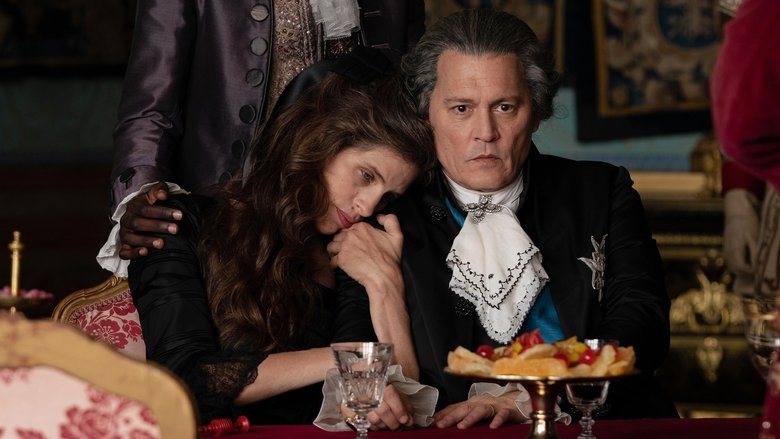
A sumptuous yet melancholic historical romance steeped in opulent defiance, Jeanne du Barry captures the intoxicating thrill of forbidden passion dancing against the rigid, suffocating shadows of Versailles.
Jeanne du Barry
Jeanne du Barry
16 May 2023 France 117 min 6.9 (707)

Director: Maïwenn

Cast: Maïwenn, Johnny Depp, Benjamin Lavernhe, Melvil Poupaud, Robin Renucci

Drama History Romance Class Stratification and the Illusion of Nobility Freedom vs. Institutional Etiquette Transactional Intimacy and Female Agency The Transience of Power and Fleeting Grandeur
Budget: $22,400,000
Box Office: $13,000,000

Jeanne du Barry — Ending Explained

⚠️ Spoiler Analysis

The third act shifts into tragedy when King Louis XV contracts smallpox. Bound by Catholic doctrine and the demands of the Church, Louis cannot receive the last rites or absolution unless he formally banishes his mistress from court to repent of his sins.

Jeanne remains by his side as long as possible. When the King finally orders her departure to save his soul, she leaves Versailles, but in a final burst of despair, runs back across the royal courtyard. Allowed a final moment by the Dauphin, Jeanne bids a tearful, backwards-stepping farewell to the dying king.

Following the King's death, Louis XVI ascends the throne, and Jeanne is exiled to the Abbey of Pont-aux-Dames. The film's final text epilogue details the tragic irony of her ultimate fate: years later during the French Terror, she is betrayed by her former page Zamor—who embraces Jacobin revolutionary ideals—and is condemned to death by the guillotine in 1793. This reveals that neither the court nor the Revolution could ever forgive her for crossing class boundaries.

Alternative Interpretations

The Feminist Reclamation: Interprets Jeanne as a forward-thinking trailblazer who navigated an oppressive class system through wit, artistic sensibility, and self-possession, humanizing a woman reduced by history to a royal consort.

The Self-Indulgent Parable: Reads the film as an autobiographical allegory for Maïwenn herself—an artistic outsider facing media scrutiny and elite industry gatekeepers, casting herself in a role framed by persecution and romanticized victimhood.

The Traditional Romantic Melodrama: Views the film strictly as a classic, old-school tragic romance about two lonely figures who find genuine affection across rigid social barriers before being separated by politics and death.

Explore More About This Movie

Dive deeper into specific aspects of the movie with our detailed analysis pages

Similar Movies