Skip to content
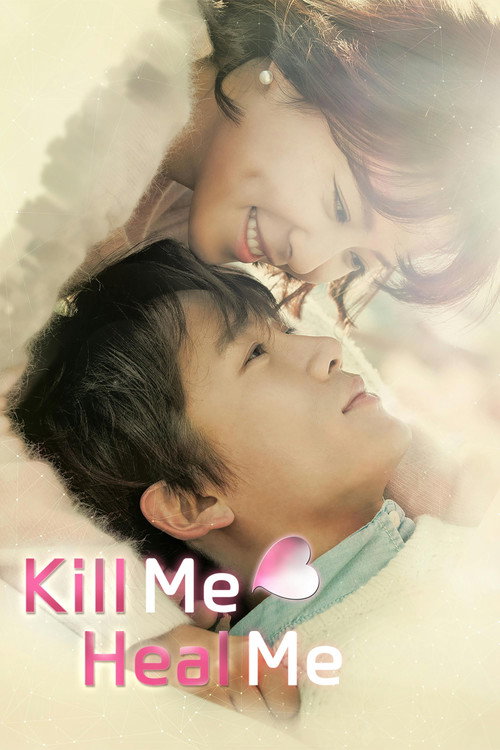
Kill Me, Heal Me
A poignant psychological melodrama enveloped in vibrant romantic comedy, where shattered glass fragments of a wounded mind reflect both harrowing childhood darkness and the radiant warmth of unconditional love.
Kill Me, Heal Me

Kill Me, Heal Me

킬미, 힐미

"Catch me, save me, love me"

07 January 2015 — 12 March 2015 South Korea 1 season 20 episode Ended 8.1 (197)

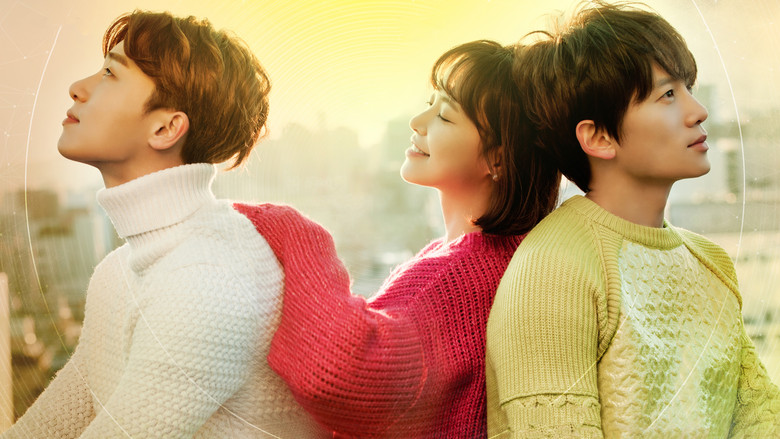
Cast: Ji Sung, Hwang Jung-eum, Park Seo-jun, Oh Min-suk, Kim Yoo-ri

Drama Comedy Mystery Psychological Trauma, DID, and Internal Fragmentation Compassion, Empathy, and the Healing Power of Love Memory, Truth, and the Burden of Repressed Guilt Corporate Greed vs. Familial Duty and Identity Sovereignty The Duality of Human Nature (Light vs. Shadow)

Overview

Kill Me, Heal Me centers on Cha Do-hyun, a third-generation business heir to the Seungjin Group who secretly lives with Dissociative Identity Disorder (DID). Fractured into seven distinct alters due to severe, repressed childhood trauma, Do-hyun lives in isolation in the United States to keep his condition hidden from his ruthless corporate family. When his aggressive, uninhibited alter Shin Se-gi forces him back to South Korea, Do-hyun's carefully guarded life spirals out of control.

Seeking to reclaim mastery over his fractured psyche, Do-hyun crosses paths with Oh Ri-jin, an energetic and compassionate first-year psychiatric resident. Ri-jin is uniquely capable of communicating with his unpredictable personalities, leading Do-hyun to hire her as his secret, 24/7 personal physician. Meanwhile, Ri-jin’s adoptive twin brother, Oh Ri-on—a famed mystery novelist writing under the pseudonym 'Omega'—begins covertly investigating the Seungjin family and their dark corporate history.

As Ri-jin works closely with Do-hyun to manage his alters—from the rebellious Shin Se-gi and the boisterous, bomb-building Perry Park to the suicidal youth Ahn Yo-sub and the boy-crazy teen Ahn Yo-na—she gradually unearths suppressed memories connecting her own mysterious past to Do-hyun’s childhood tragedy. What begins as a professional arrangement transforms into a deeply emotional journey of shared healing, love, and reconciliation.
Core Meaning

The overarching message of Kill Me, Heal Me is that genuine healing is not achieved by violently suppressing or eradicating wounded parts of oneself, but by embracing them with compassion, understanding, and self-acceptance. Through Do-hyun’s psychological journey, the series emphasizes that fragmented coping mechanisms and inner monsters are often the brain’s desperate strategy to survive unbearable trauma. Confronting one’s darkest memories with courage—and the support of empathetic love—transforms a desperate plea of 'Kill Me' into a life-affirming declaration of 'Heal Me'.

Thematic DNA

Psychological Trauma, DID, and Internal Fragmentation 35%
Compassion, Empathy, and the Healing Power of Love 25%
Memory, Truth, and the Burden of Repressed Guilt 20%
Corporate Greed vs. Familial Duty and Identity Sovereignty 10%
The Duality of Human Nature (Light vs. Shadow) 10%

Psychological Trauma, DID, and Internal Fragmentation

The show treats Do-hyun's alters not as grotesque oddities, but as specialized armor created by a broken child to bear abuse, fear, pain, and sorrow that one small heart could not endure alone. As the narrative progresses, integration requires acknowledging each alter’s protective function rather than fighting them.

Compassion, Empathy, and the Healing Power of Love

Ri-jin acts not merely as a doctor, but as a bridge between Do-hyun's warring personas. Her empathy teaches both Do-hyun and Shin Se-gi that they are deserving of love, illustrating that true recovery occurs within safe, loving relationships.

Memory, Truth, and the Burden of Repressed Guilt

The narrative drives forward on the tension between forgotten memories and present suffering. Unlocking the locked basement of childhood memories proves painful, yet facing historical truth is portrayed as the only path to liberation.

Corporate Greed vs. Familial Duty and Identity Sovereignty

The Seungjin Group's corrupt dynasty illustrates how generational cruelty and obsession with power can destroy children's innocence. Do-hyun ultimately rejects being used as a corporate heir or familial scapegoat, asserting autonomy over his name and life.

The Duality of Human Nature (Light vs. Shadow)

Every alter represents polarities within the human condition—the desire to die (Yo-sub) versus the instinct to live and fight (Se-gi). The show demonstrates that health is balance, integrating aggressive strength with gentle kindness.

Character Analysis

Cha Do-hyun

Ji Sung

Archetype: Fractured Hero Key Trait: Self-sacrificing, gentle, resilient

Motivation

To regain control over his own mind, protect those around him from his dangerous alters, and heal the deep wounds of his past.

Character Arc

Begins as a guilt-ridden, timid man trapped by fear of his alters. Through therapy, courage, and love, he evolves into an integrated, confident man who confronts his abusers and takes full control of his destiny.

Shin Se-gi

Ji Sung

Archetype: Wounded Antihero Key Trait: Fierce, defiant, emotionally passionate

Motivation

To shoulder the traumatic rage and pain of childhood abuse, while fiercely protecting Oh Ri-jin at all costs.

Character Arc

Initially aggressive and determined to destroy Do-hyun to claim Ri-jin, he matures into a cooperative protector who peacefully integrates once he knows Ri-jin is safe and loved.

All 5 characters and cast

Symbols & Motifs

'Kill Me' vs. 'Heal Me' Graffiti

Meaning:

Serves as the central motif of redemption and therapeutic transformation, changing a literal cry of agony into an appeal for salvation.

Context:

Written by the suicidal alter Ahn Yo-sub on a rooftop wall, which Ri-jin subsequently edits with spray paint to read 'Heal Me'.

The Dark Basement

Meaning:

A mental construct and visual representation of locked, suppressed childhood abuse, illustrating that childhood monsters lose their terror once confronted in the light.

Context:

A recurring flashback location where Do-hyun describes the metaphor of 'going down the stairs to turn on the light' to confront deep psychological trauma.

Yo-na’s Pink Lip Tint and Rabbit Pajamas

Meaning:

Symbols of bright, uninhibited teenage exuberance that break the grim darkness of Do-hyun’s life with loud, unapologetic joy.

Context:

Worn and applied enthusiastically by Ji Sung whenever the mischievous 17-year-old female alter Ahn Yo-na takes control.

Perry Park’s Fishing Boat and Bomb Device

Meaning:

Reflects a longing for freedom on open waters, symbolizing the original, warm father figure before corruption and abuse altered him.

Context:

Used by the boisterous, sea-loving alter Perry Park throughout his comedic and nostalgic appearances.

Nana the Teddy Bear and Toy Box

Meaning:

Symbolizes stolen childhood innocence and the preservation of Ri-jin’s childhood persona inside Do-hyun’s fractured memory.

Context:

Manifested through the seven-year-old alter Nana and the physical artifacts tied to childhood play in the Seungjin mansion.

The Magic Coffer / Mr. X’s Suitcase

Meaning:

Represents the sealed truth of past fears, proving that internal terrors vanish once opened and viewed plainly.

Context:

Carried by the alter Mr. X; when opened, the briefcase is revealed to be completely empty.

Memorable Quotes

기억해, 2015년 1월 7일 오후 10시 정각... 내가 너한테 반한 시간.
— Shin Se-gi

Context

Episode 1. Se-gi corners Ri-jin outside a club upon his dramatic emergence in South Korea.

Meaning

Highlights Se-gi's immediate, intense romantic fixation and marks one of the most famous romantic lines in K-drama history.

누구나 마음속에 어두운 지하실이 있습니다. 외면하고 방관하면 그 어둠이 짙어집니다. 용기 내어 내려가 불을 켜야 합니다.
— Cha Do-hyun

Context

Episode 20 (Series Finale). Delivered during Do-hyun's culminating monologue about facing psychological trauma.

Meaning

Encapsulates the core philosophical thesis of the entire series regarding the necessity of confronting inner trauma.

All 4 quotes

Episode Highlights

Remember My Face

S1E1

Introduces Cha Do-hyun’s fragmented condition, the lethal charisma of Shin Se-gi, and the fateful first encounter between Se-gi and Ri-jin outside a nightclub.

Significance:

Establishes the central conflict of the series and sets the emotional and psychological stakes for Do-hyun's return to Korea.

Kill Me / Heal Me

S1E7

The introverted teenage alter Ahn Yo-sub threatens to jump from a building rooftop. Ri-jin races against time to stop him and alters the rooftop graffiti from 'Kill Me' to 'Heal Me'.

Significance:

Defines the series' core thematic turning point, transforming a cry of despair into a shared journey of therapeutic recovery.

The Rise of Ahn Yo-na

S1E8

The chaotic 17-year-old fangirl alter Ahn Yo-na surfaces, causing public mayhem while aggressively chasing after Oh Ri-on.

Significance:

Showcases the series' peak comedic versatility and popularizes the iconic dynamic between Ji Sung and Park Seo-joon.

Se-gi's Hostile Takeover

S1E10

Shin Se-gi assumes total control of Do-hyun’s body, styling, and corporate life, forcing Ri-jin into a high-stakes confrontation between professional boundaries and deep personal attachment.

Significance:

Elevates the narrative tension regarding which personality will ultimately dominate the host's body and identity.

Unraveling the Fire and the Name

S1E17

Major plot revelations surface regarding the Seungjin mansion fire and the shared childhood past between Do-hyun and Ri-jin.

Significance:

Unlocks the central mystery behind the origin of Do-hyun's trauma and identity fracture.

Farewell, Perry Park

S1E19

Perry Park becomes the first alter to willingly integrate and depart, sharing a bittersweet farewell drink with Ri-jin.

Significance:

Begins the emotional process of psychic integration, symbolizing the resolution of Do-hyun's longing for a loving father figure.

The Light in the Basement

S1E20

Features the emotional farewell and integration of Shin Se-gi, Do-hyun reconciling with his true identity, and achieving lasting peace alongside Ri-jin.

Significance:

Concludes the overarching character arcs with complete psychological integration, emotional healing, and romantic resolution.

Philosophical Questions

What constitutes the authentic 'Self'?

Explored through Do-hyun's alters; if separate personalities cultivate their own emotions, memories, and desires, the narrative questions whether psychological integration is an act of healing or internal erasure.

Can love exist without memory?

Explored through Ri-jin and Do-hyun's instinctive emotional bond, questioning whether subconscious attachments endure even when conscious memories of trauma have been entirely repressed.

Is human anger inherently destructive or protective?

Explored through Shin Se-gi, examining whether aggression is solely a destructive impulse or a necessary survival armor created to protect vulnerable individuals from unbearable cruelty.

Alternative Interpretations

The series can be analyzed through several distinct conceptual frameworks:

Full ending explanation

Cultural Impact

Airing in early 2015 alongside competing DID drama Hyde, Jekyll, Me, Kill Me, Heal Me overcame initial skepticism to become a critical and commercial phenomenon. Penned by celebrated screenwriter Jin Soo-wan, the series played a pioneering role in mainstream Korean television by opening up empathetic discussions surrounding mental illness, childhood domestic abuse, and trauma recovery. Internationally, the drama gained substantial acclaim, winning the Best Drama award at the WorldFest-Houston International Film Festival.

Audience Reception

Ji Sung’s tour-de-force performance portraying seven distinct personalities received unanimous critical and audience acclaim, praised for his seamless transitions in gaze, vocal tone, posture, and facial expressions. Hwang Jung-eum was celebrated for her grounded emotional depth, and Park Seo-joon earned praise for his charismatic, witty brotherly performance. While minor early critiques targeted Hwang Jung-eum’s exaggerated comedic screaming and repetitive flashback scenes, the series is widely regarded as an iconic Hallyu classic that masterfully balances comedy with profound psychological depth.

Interesting Facts

  • Before Ji Sung and Hwang Jung-eum were secured, several high-profile male actors turned down the lead role due to the immense difficulty of portraying seven alters, with casting finalized barely a month before broadcasting.
  • Ji Sung and Hwang Jung-eum reunited as leads just over a year after starring together in the dark melodrama Secret Love (2013).
  • The famous comedic kiss between the alter Ahn Yo-na and Park Seo-joon’s character Ri-on was an accidental on-set collision that the director kept in the final cut.
  • The pink HERA lip tint applied by Ji Sung as Ahn Yo-na completely sold out across South Korea, marking the first time a male actor sparked a nationwide makeup sellout.
  • Many of the most memorable comedic lines from Ahn Yo-na and Perry Park were entirely improvised on set by Ji Sung.
  • At the 2015 MBC Drama Awards, Ji Sung won the Grand Prize (Daesang), and alongside Park Seo-joon, won the fan-voted Best Couple Award for their dynamic as Yo-na and Ri-on.

Easter Eggs

Best Couple Meta-Humor

The electric comedic dynamic between Ji Sung (portraying female teen Yo-na) and Park Seo-joon gained massive cultural traction, resulting in real-life Best Couple award recognition at the year-end drama awards.

Secret Love Continuity

Features playful visual nods and heightened dramatic tropes that subtly poke fun at Ji Sung and Hwang Jung-eum’s prior collaboration in the heavy melodrama Secret Love.

Omega the Mystery Author

Oh Ri-on’s secret pseudonym 'Omega' mirrors pop-culture tropes of elusive bestselling novelists, serving as a meta-commentary on serialized mystery storytelling within the drama itself.

Ahn Twins’ Dual Naming

The suicidal teen Yo-sub and the energetic Yo-na are designed as twin alters, reflecting two polar emotional responses to trauma: internalized despair versus externalized hyper-energy.

Frequently Asked Questions

Explore More About This Movie

Dive deeper into specific aspects of the movie with our detailed analysis pages

Comments (0)

Leave a comment

No comments yet. Be the first to share your thoughts!

Similar Movies