Skip to content
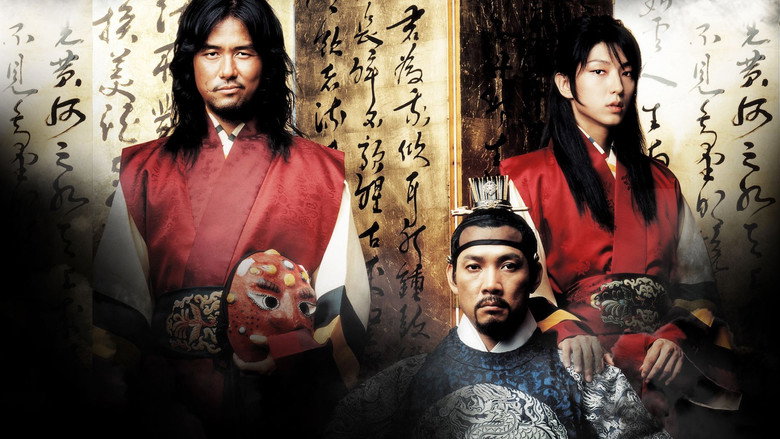
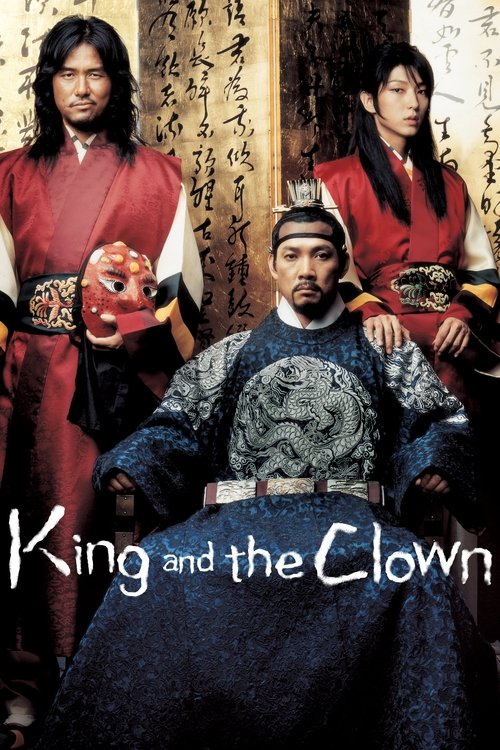
King and the Clown
A sumptuous, suffocating period tragedy drenched in melancholic longing, where raw human dignity dances upon a razor-thin tightrope stretched between royal madness and mortal freedom.
King and the Clown
King and the Clown

왕의 남자

"Forbidden desire, sumptuous tragedy."

29 December 2005 South Korea 121 min 7.0 (121)

Director: Lee Joon-ik

Cast: Kam Woo-sung, Lee Joon-gi, Jung Jin-young, Kang Sung-yeon, Yoo Hai-jin

Drama History Thriller Artistic Freedom vs. Political Oppression Power, Complicity, and Tyranny Marginality, Haan, and Social Hierarchy Gender Transgression and Queerness Love, Sacrifice, and Possession

King and the Clown — Ending Explained

⚠️ Spoiler Analysis

The narrative begins with Jang-saeng and Gong-gil fleeing their travelling troupe after Jang-saeng kills their abusive manager to protect Gong-gil from sexual exploitation. In Hanyang, they assemble three clowns and mock King Yeonsan, leading to their arrest. After wagering their lives on making the King laugh, Gong-gil's quick wit delights the monarch, securing them residence in the palace.

Their satirical plays are soon co-opted by Yeonsan to purge corrupt ministers and unearth the conspiracy surrounding his executed mother, Queen Lady Yun. During a performance reenacting her poisoning, Yeonsan descends into madness, slaughtering court concubines and triggering the Queen Dowager's death. Realizing the court is a lethal trap, Jang-saeng attempts to leave, but Gong-gil stays out of pity for the King.

Consort Jang Nok-su frames Gong-gil with forged subversive flyers; Jang-saeng takes the blame and is imprisoned. Although freed by Eunuch Cheo-sun, Jang-saeng refuses to abandon Gong-gil. He sneaks back into the palace, walks the tightrope blindfolded while openly mocking the King, and has his eyes burned out with searing iron as punishment. A devastated Gong-gil attempts suicide by slitting his wrists during a puppet show, but is saved.

In the climax, rebel forces initiate a coup and storm the palace. Jang-saeng and Gong-gil reunite on opposite ends of a palace tightrope. Rejecting worldly wealth, nobility, or kingship, they vow to be reborn as clowns together. As the rebel army breaches the courtyard and arrows fly, both jump into the air from the tightrope. The film closes on a transcendent afterlife scene where the performers dance freely in an open green meadow without ropes or rulers.

Alternative Interpretations

The Queer Romance & Trans-Feminine Reading: Emphasizes Gong-gil’s fluid gender presentation and views his relationship with Jang-saeng not merely as comradeship, but as a devoted romantic union forged in shared survival. In this reading, Yeonsan's obsession combines erotic desire and maternal substitution, while Gong-gil's authentic self functions as a trans-feminine identity that endures across all social settings.

The Political Allegory of South Korean Democratization: Interprets the Joseon court as a stand-in for South Korea's modern authoritarian regimes. King Yeonsan mirrors military despots who executed purges and suppressed free expression, while the street performers parallel civil society and student activists using street theater (madang-geuk) to satirize power prior to democratic rebellion.

The Tragic Existential/Artistic Reading: Understands the film as a meditation on the purity of art. When co-opted by state factions, performance becomes corrupted by politics; true artistic liberty can only be redeemed through total detachment from worldly systems, symbolized by blindness and the climactic leap into the void.

Explore More About This Movie

Dive deeper into specific aspects of the movie with our detailed analysis pages

Similar Movies